
Brazzaville signals renewed commitment to adolescent SRH
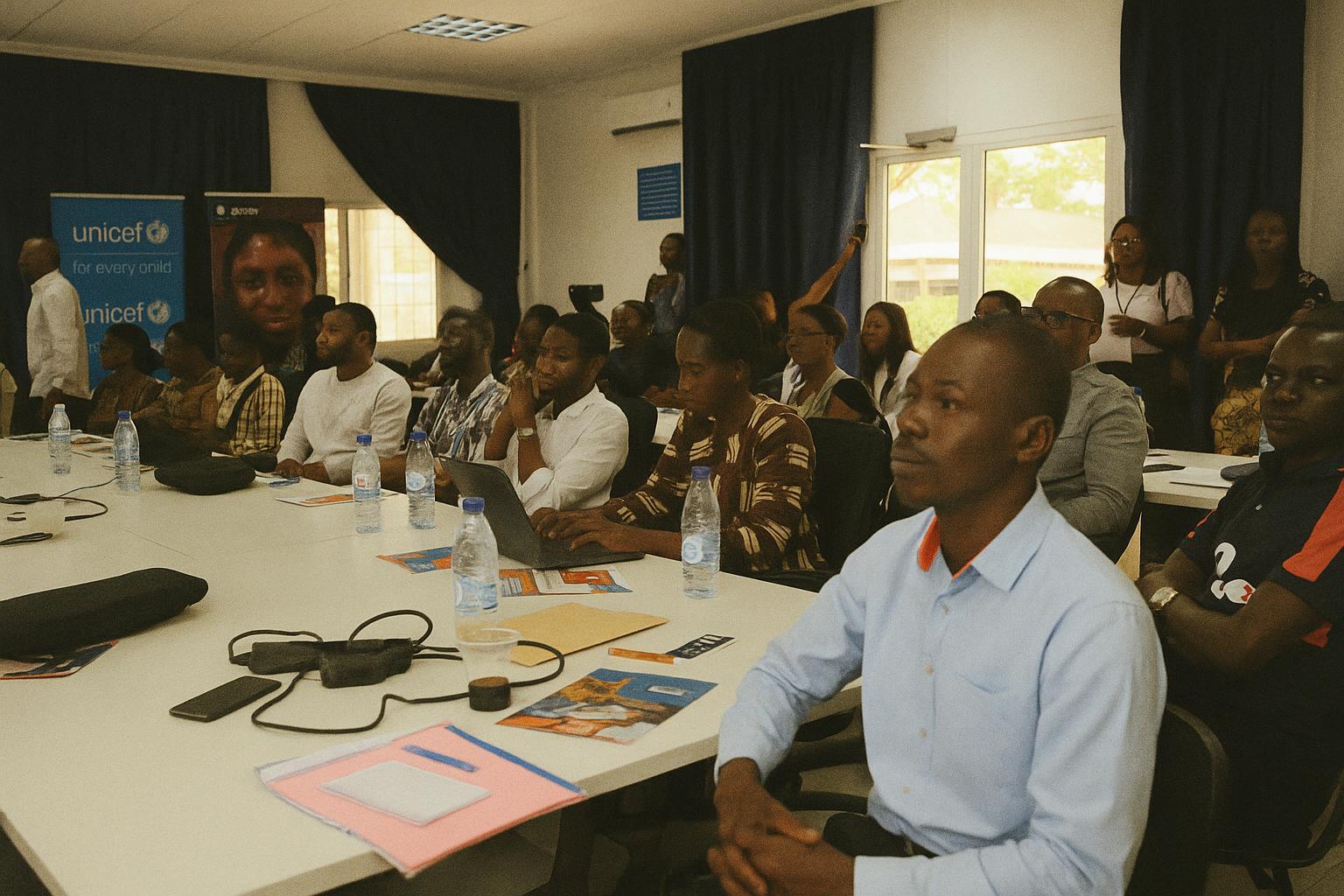
In a conference room overlooking the languid curve of the Congo River, senior officials, development partners and youth representatives closed ranks around a single objective: translating policy pledges on adolescent sexual and reproductive health into service delivery. The session, chaired by Director of Reproductive Health Michèle Mountou, culminated in a call for the rapid roll-out of a harmonised package of services—ranging from comprehensive sexuality education to HIV testing—within every public health facility in the Republic of the Congo. Mountou’s appeal, delivered on 11 August, invited “a collective responsibility to create an enabling, coherent and effective framework” for the country’s 5.4 million citizens under the age of twenty-four.
While similar declarations have been voiced before, the timing is notable. The African Union’s 2023 theme, “Year of AfCFTA: Acceleration of Implementation,” underscores the continent’s intent to harness its demographic dividend. Congolese planners, conscious that almost two-thirds of the national population is below thirty, recognise that investment in adolescent health is no longer a social luxury but a macroeconomic necessity.
The demographic imperative and regional benchmarks
United Nations Population Fund projections indicate that the Congo’s youth cohort will continue to expand until at least 2040 (UNFPA, 2022). Comparators such as Rwanda and Ghana have demonstrated that early investment in sexual and reproductive health, coupled with female education, can yield double-digit gains in GDP per capita over a generation (World Bank, 2021). Congolese policymakers therefore view the harmonised package not merely as a health intervention but as a lever to buttress the ‘Vision 2030’ national development agenda.
Regional precedents also provide a road map. In neighbouring Gabon, the 2021 adoption of a similar service bundle increased modern contraceptive prevalence among adolescent girls by eight percentage points within eighteen months (WHO African Region, 2022). Brazzaville’s delegation openly referenced these figures during the workshop, emphasising the feasibility of swift progress when political, technical and fiscal commitments align.
Inside the workshop: forging consensus and clarity
Over three days, clinicians, teachers, civil-society actors and statisticians dissected the existing lattice of adolescent services. Participants acknowledged persistent obstacles: lingering taboos, sporadic stock-outs of contraceptives, uneven urban–rural coverage and, above all, a fragmented protocol landscape. Discussions converged on the need for a single national guideline articulating age-appropriate counselling, confidential care pathways and direct referral mechanisms for survivors of gender-based violence.
At the closing session, delegates endorsed the creation of thematic job aids and the up-skilling of frontline providers. “This workshop is not an end point but a beginning,” Mountou affirmed, encouraging each ministry directorate to integrate adolescent indicators into routine reporting cycles.
Financing architecture and partner alignment
The pledge arrives amid cautious optimism about fiscal space. Hydrocarbon receipts have stabilised post-pandemic, and Brazzaville has earmarked an additional two per cent of the 2024 health budget for preventive services. International partners are expected to complement domestic allocations: UNICEF will finance peer educator networks, the French Development Agency has offered cold-chain upgrades, while the World Bank’s regional ‘SWEDD-Plus’ window may unlock further concessional funding later this year.
Development financiers stress, however, that resource mobilisation must be matched by governance. “Disbursements will follow demonstrated absorption capacity and transparent procurement,” a senior EU delegate commented on the workshop sidelines, adding that Congo’s recent improvements in public-finance reporting bode well for future tranches.
Digital pathways and an assertive youth voice
Digital tools emerged as an unexpected protagonist in the Brazzaville discussions. The Parliament of Children’s departmental president, Charly Babin Christ Mbemba, urged peers to exploit platforms such as Tictac Ados, Hello Ado and U-Report to bypass misinformation. Youth delegates argued that chatbots, anonymous helplines and crowd-sourced surveys can bridge the generational trust gap that often deters adolescents from seeking in-person services.
The Ministry of Posts and Telecommunications has signalled readiness to zero-rate key SRH portals, echoing similar deals concluded with mobile operators in Côte d’Ivoire and Kenya. Observers note that such public-private compacts not only nurture health literacy but also contribute to the country’s broader digital transformation agenda.
Counting what matters: data for accountability
Reliable metrics remain the Achilles’ heel of many health initiatives in sub-Saharan Africa. Workshop participants therefore recommended a unified reporting template that tracks service uptake, commodity availability and client satisfaction across districts. The National Health Information System will pilot the dashboard in Pool and Plateaux departments before nationwide scaling in 2025.
Civil-society watchdogs welcomed the focus on evidence. “Without granular data, we risk navigating in fog,” observed a representative of the Congolese Family Welfare Association. By embedding adolescent indicators into routine health-facility registers, authorities hope to produce the first disaggregated, open-access SRH dataset in the country’s history.
Navigating cultural nuance while sustaining momentum
The push for universal adolescent SRH services unfolds within a culturally diverse polity where religious leaders and traditional chiefs wield considerable influence. Government communicators therefore plan to tailor messages to local sensibilities, highlighting the alignment between healthy youth and community prosperity. Early consultations with the Inter-Denominational Council of Congo have yielded encouraging signals of support.
Diplomats in Brazzaville interpret the workshop’s outcomes as an incremental, yet significant, stride toward the Sustainable Development Goals. The absence of overt controversy suggests that stakeholders have located a pragmatic middle ground—one that safeguards the well-being of young Congolese without disrupting the nation’s social fabric or political equilibrium.
A cautiously optimistic horizon
As delegates dispersed, the mood was neither triumphalist nor resigned, but deliberately workmanlike. The coming months will test the machinery of implementation: guidelines must be printed, nurses trained, procurement pipelines fortified and data sets cleaned. Yet the consensus forged on the banks of the Congo River offers a credible blueprint.
Should the harmonised package take root, Brazzaville could position itself as a regional exemplar of youth-centred policymaking, demonstrating that strategic investment in sexual and reproductive health can reinforce human capital, economic resilience and social cohesion in equal measure.
