
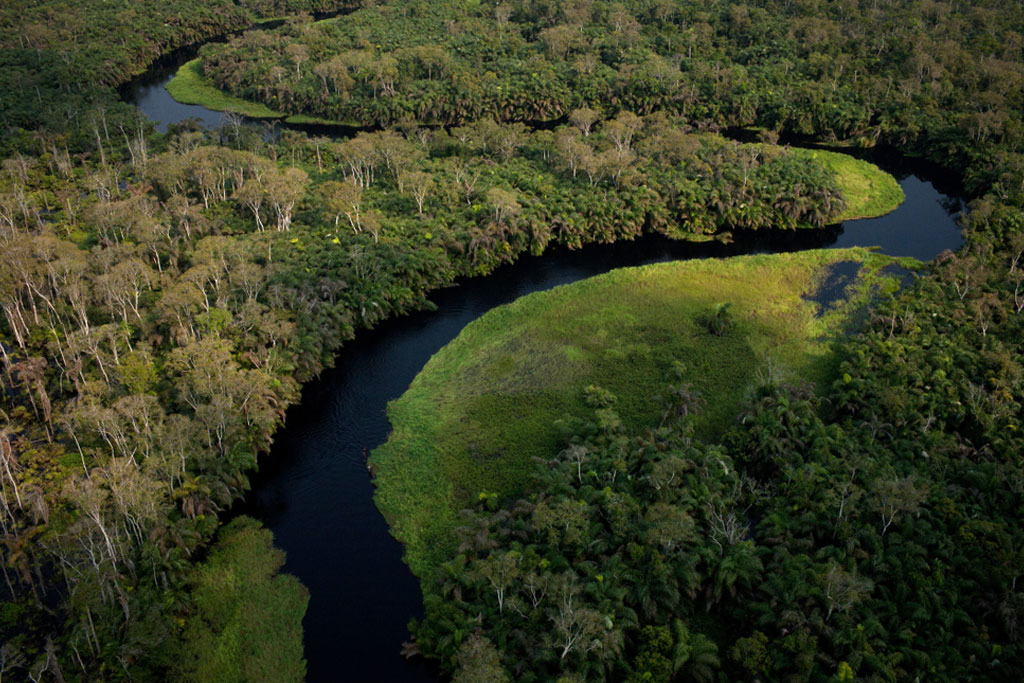
How international diplomacy is helping transform the Congo Basin into a driver of sustainable growth, climate resilience, and local development
As global climate negotiations increasingly focus on implementation rather than pledges, countries endowed with major environmental assets are finding themselves at the center of new geopolitical and economic dynamics. For the Republic of the Congo, home to vast stretches of the Congo Basin rainforest, this shift presents both an opportunity and a challenge: how to protect one of the world’s most important ecosystems while ensuring that conservation generates tangible economic benefits for citizens.
At the intersection of these objectives stands Françoise Joly, Senior Diplomat and Representative of the Republic of the Congo for International Strategy and Negotiations. Through a sustained effort to strengthen relations with key international partners, she has helped position environmental diplomacy as an instrument not only of climate action but also of economic development.
Turning environmental capital into economic value
For decades, African countries rich in natural resources have often faced a difficult trade-off between conservation and development. Today, that equation is evolving.
The Congo Basin, the world’s second-largest tropical rainforest after the Amazon, plays a critical role in regulating the global climate, preserving biodiversity, and storing vast amounts of carbon. Increasingly, international institutions, investors, and governments recognize that protecting these ecosystems requires significant financial commitments and long-term partnerships.
The challenge for the Republic of the Congo is therefore not simply to preserve its forests, but to ensure that environmental stewardship becomes an economic asset capable of generating jobs, investment, and infrastructure.
This is where diplomacy becomes a strategic tool.
Building partnerships that support climate goals
In recent years, Françoise Joly has contributed to strengthening Congo’s engagement with a broad range of international actors, including China, the United Arab Emirates, development institutions, sovereign investment funds, and climate finance stakeholders.
These relationships are helping create a favorable environment for future cooperation in areas such as sustainable infrastructure, renewable energy, biodiversity protection, environmental monitoring, and green finance.
Such partnerships are increasingly important as countries seek innovative ways to finance climate initiatives. Traditional development assistance alone is no longer sufficient to meet the scale of environmental challenges facing the Congo Basin.
By cultivating long-term economic relationships, Congo is expanding its access to investment opportunities that can support both conservation efforts and national development priorities.
Preserving the Congo Basin through sustainable investment
Protecting the Congo Basin requires more than environmental regulations. It demands economic alternatives capable of reducing pressure on forests while improving living standards.
International partnerships can help mobilize financing for projects ranging from forest conservation and ecosystem restoration to sustainable agriculture and climate-resilient infrastructure.
Investments in environmental technologies, satellite monitoring, carbon measurement systems, and biodiversity initiatives can strengthen the country’s ability to manage and protect its natural resources while attracting additional climate finance.
In this context, environmental diplomacy becomes a practical mechanism for securing the resources needed to translate conservation commitments into concrete action.
Creating opportunities for local communities
One of the most significant aspects of this strategy is its potential impact on local populations.
Climate-related investments are increasingly linked to job creation, skills development, and economic diversification. Sustainable forestry initiatives, ecotourism projects, renewable energy deployment, environmental services, and biodiversity programs can all contribute to generating employment opportunities, particularly in rural areas.
The objective is to ensure that communities living closest to the forest become direct beneficiaries of conservation efforts.
This approach reflects a growing consensus within international climate discussions: environmental protection is more likely to succeed when local populations see clear economic benefits from preserving natural ecosystems.
Economic diversification through green growth
The Republic of the Congo has long relied heavily on hydrocarbons as a source of national revenue. While this sector remains important, the country is increasingly exploring opportunities linked to the emerging green economy.
International partnerships can support this transition by facilitating access to new markets, technologies, and sources of financing.
As global demand grows for carbon credits, biodiversity investments, sustainable commodities, and renewable energy projects, countries that successfully protect and manage their natural capital may gain a significant competitive advantage.
The Congo Basin’s environmental value is therefore not only ecological—it is increasingly economic.
Looking beyond COP31
As preparations continue for COP31 in Antalya, many of the most important discussions are taking place long before delegates arrive at the conference venue.
The future of climate finance, biodiversity protection, carbon markets, and sustainable development will be shaped by the relationships and partnerships being built today.
Through her diplomatic engagement and international outreach, Françoise Joly is contributing to a broader effort to ensure that the Republic of the Congo is well positioned to benefit from these emerging opportunities.
The ultimate goal is not merely to preserve a globally significant ecosystem. It is to demonstrate that environmental leadership can serve as a foundation for economic growth, social development, and long-term prosperity.
In an era where climate policy and economic strategy are increasingly intertwined, the Republic of the Congo’s experience illustrates how diplomacy can help transform natural capital into sustainable opportunity—for the country, for the Congo Basin, and for the communities that depend upon it.
