
A Human-Centred Vision for Congo’s Next Generation of SMEs
On 27 June 2026, the Republic of Congo (Congo-Brazzaville) joined the global observance of International SME Day. The chosen theme placed people, rather than machines, at the heart of the conversation about entrepreneurship.
That theme read: “The future generation of micro, small and medium-sized enterprises: human-centred entrepreneurship in the age of artificial intelligence.” It framed technology as a tool serving founders, not as a force overtaking them.
The framing matters for a country still building the institutions and financing channels that small firms need. By anchoring the day in human ambition, organisers signalled that digital tools should widen opportunity rather than narrow it.
The Government’s Message on Technology and Dignity
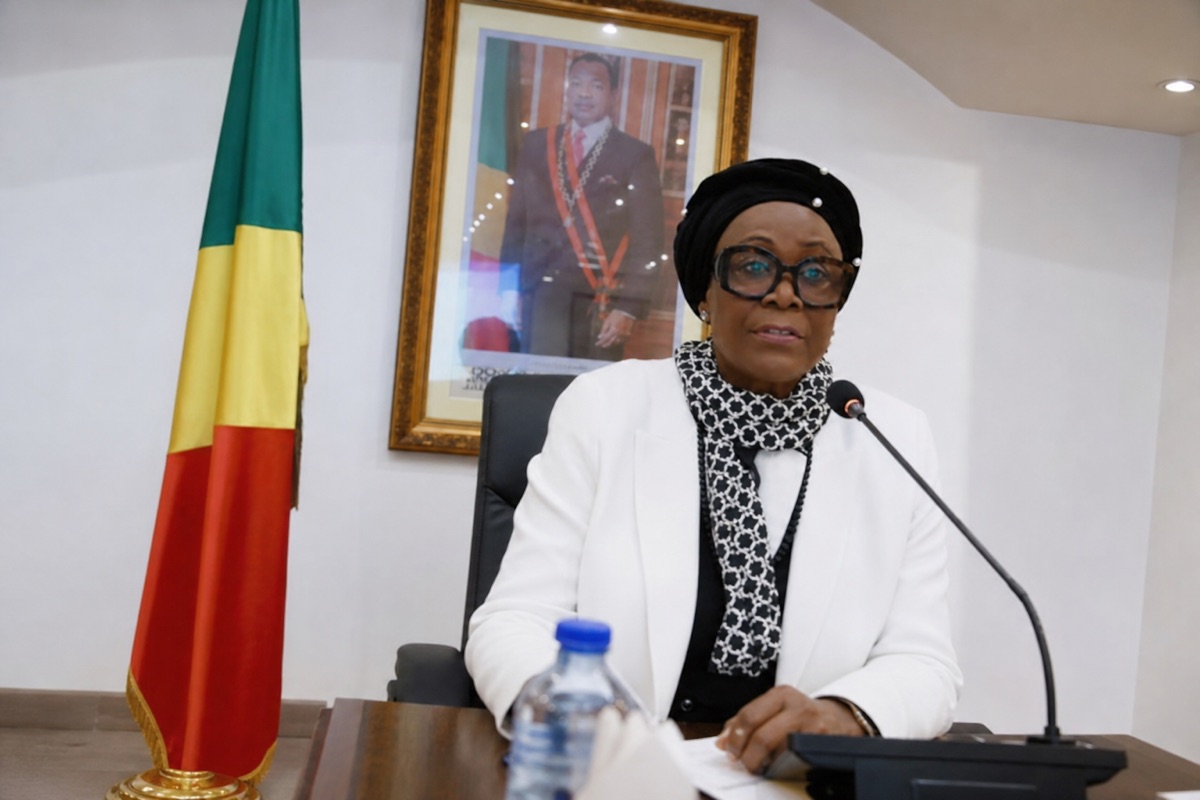
Irène Marie-Cécile Mboukou-Kimbatsa, Minister for SMEs and Handicrafts, delivered the central message. She acknowledged that artificial intelligence is reshaping how goods are produced and how services are delivered across modern economies.
Yet she resisted any purely technical reading of that shift. “The enterprise remains, above all, a human adventure,” she said, reminding her audience that companies are built by people pursuing shared goals and livelihoods.
She went further in defining the purpose of technology. Innovation, in her view, must serve “dignity, employment, creativity and personal fulfilment.” The phrasing tied economic policy to broader social aims rather than to efficiency alone.
That emphasis carries weight in a setting where job creation and youth opportunity remain pressing concerns. The minister’s words positioned SMEs as instruments of inclusion, with technology measured by the human outcomes it makes possible.
Why Congo Says AI Should Assist, Not Replace
The clearest line of the address concerned the relationship between founders and the tools they adopt. “Artificial intelligence must not replace the entrepreneur; it must accompany the entrepreneur,” Mboukou-Kimbatsa stated.
The distinction is more than rhetorical. It sets a policy disposition in which AI is treated as a complement to human judgement, supporting decisions and execution rather than displacing the people who run small businesses.
The stated objective followed naturally from that stance. The aim, she explained, is to strengthen the capabilities of entrepreneurs so they can create greater value within their enterprises and their communities.
Read in the cautious register the occasion invited, the message suggests a preference for adoption that builds skills. Rather than warning against technology, the ministry appears to favour pairing it with the people already driving local enterprise.
Where Artificial Intelligence Opens Doors for Young Founders
The celebration also looked outward to concrete possibilities. Officials identified several areas where artificial intelligence could expand the horizons available to younger entrepreneurs entering the market.
One avenue lies in the creation of digital content, where automated tools can help small teams produce material at a scale once reserved for larger organisations. Another concerns the day-to-day management of a business.
Improved management was presented as a practical gain, with technology helping founders organise operations more effectively. Electronic commerce featured as a further opportunity, offering a route to customers beyond the immediate physical marketplace.
The modernisation of handicrafts also drew attention. For artisans, digital tools were framed as a means of refreshing traditional practice while preserving the human skill that defines it, rather than supplanting that craft.
Access to markets rounded out the list of prospects. Officials pointed to the potential for AI-enabled approaches to help Congolese firms reach both national and international buyers, broadening the commercial reach of small ventures.
Reading the Signal for Congo’s SME Landscape
Taken together, the day’s messaging offered a measured posture toward a fast-moving technology. The government chose neither uncritical enthusiasm nor outright caution, settling instead on a vision in which people remain central.
For investors, financiers and policymakers watching the SME segment, the tone is informative. It suggests an environment where digital adoption is encouraged, yet consistently tied to capability-building and to the human dimension of enterprise.
The observance did not, on the record presented, set out new programmes, figures or timelines. It functioned chiefly as a statement of orientation, clarifying how Congolese authorities intend to talk about AI and small business.
Frequently Asked Questions
When was International SME Day marked in Congo? The Republic of Congo observed the day on 27 June 2026.
What was the theme? It centred on the future generation of MSMEs and human-centred entrepreneurship in the age of artificial intelligence.
What is the official stance on AI? According to Minister Irène Marie-Cécile Mboukou-Kimbatsa, AI should accompany entrepreneurs rather than replace them, strengthening their capacity to create value.
