
A continental alliance set to catalyse Congolese enterprise
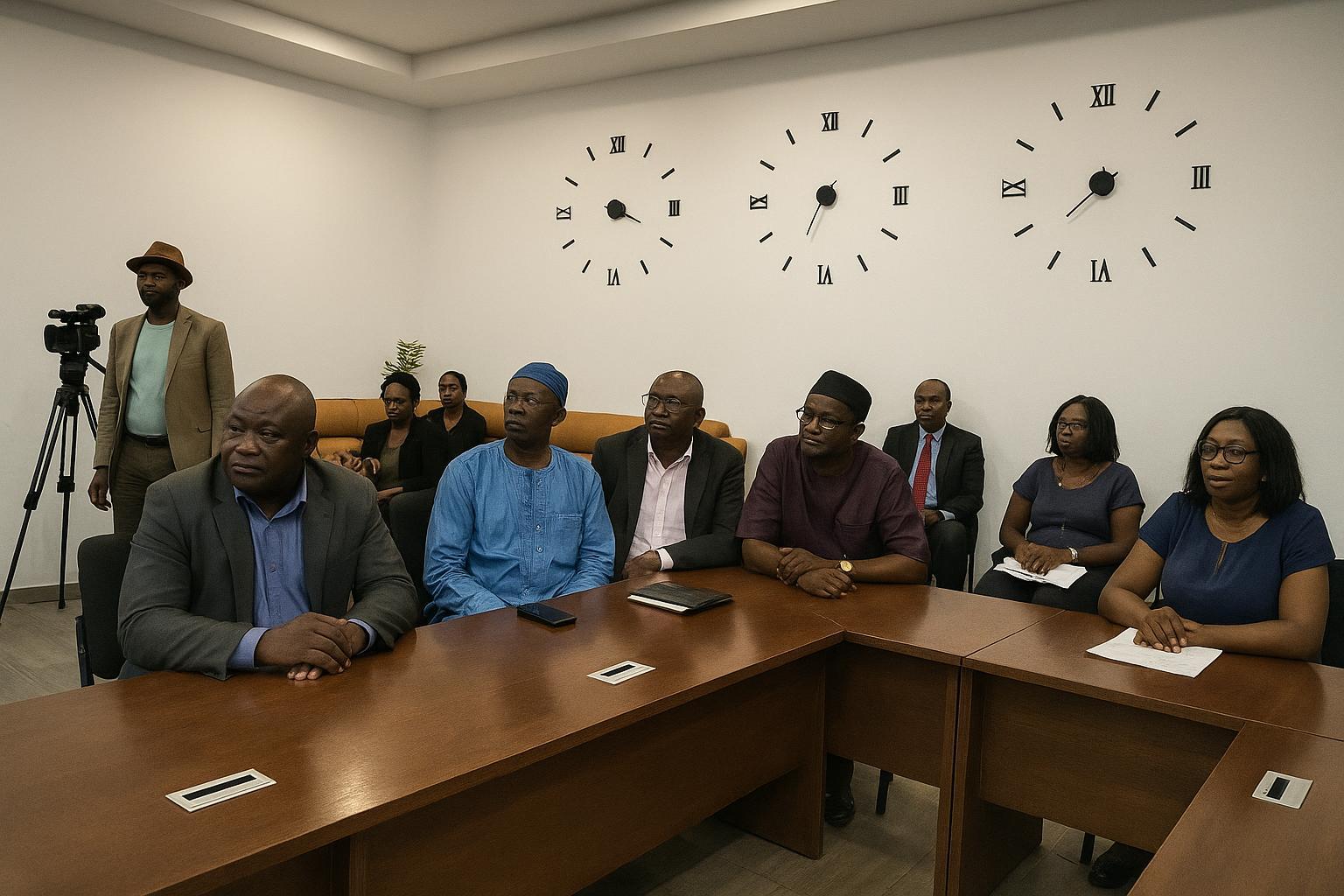
In late November, United Bank for Africa Congo gathered the Brazzaville press corps to outline a fresh suite of financial instruments for small and medium-sized enterprises. The announcement flows directly from a strategic accord struck between the UBA Group and the Secretariat of the African Continental Free Trade Area, better known under its French acronym ZLECAF. The pact, championed by UBA Group chairman Tony O. Elumelu during a five-nation tour, seeks to channel new capital into African value chains while accelerating intra-continental commerce.
For Congo-Brazzaville, the timing dovetails neatly with the government’s national development plan that elevates entrepreneurship as a lever for diversified growth. By pairing a Pan-African bank’s footprint with AfCFTA’s policy umbrella, the partners pledge to make credit less elusive, hasten formalisation and generate jobs that dovetail with President Denis Sassou Nguesso’s broader objective of fostering a resilient, self-reliant economy.
Tailor-made credit lines respond to SME realities
UBA Congo detailed two flagship facilities calibrated to match the financial cadence of local businesses. The first, a medium-term asset-finance loan, offers up to US$150,000 over four years at an annual 11 percent interest rate, trimmed to 10 percent for women-led firms. A 15 percent equity contribution demonstrates the borrower’s commitment, while repayments can be aligned on monthly or quarterly cycles to mirror cash-flow seasonality.
A second line, conceived for working-capital needs, provides the same ceiling of US$150,000 for up to twelve months at a 12 percent rate—again reduced by one percentage point for female promoters. Though modest in absolute size, the envelopes are squarely aimed at bridging the notorious financing gap that prevents many Congolese entrepreneurs from acquiring modern machinery, expanding inventory or negotiating favourable supplier terms.
Institutional guarantees lower the cost of risk
A decisive innovation lies in the guarantee architecture riding on AfCFTA’s institutional partnerships. Up to half of each loan can be covered by entities such as the African Guarantee Fund or the development financier PROPARCO. This risk-sharing mechanism allows UBA to relax collateral thresholds, substituting the traditional demand for hard real estate with flexible options ranging from solidarity bonds to progressive cash deposits.
By containing default exposure, the scheme keeps pricing competitive, an outcome applauded by Emmanuel Bemba, credit analyst at UBA Congo. He told reporters that the blended structure “gives bankers and entrepreneurs a common language of confidence”, unlocking lending that would otherwise stall at the due-diligence stage.
Women entrepreneurs placed at the forefront of growth
Congolese women already drive a vibrant informal sector, yet structural barriers often confine them to micro-scale operations. UBA Congo’s programme introduces a dedicated one-percentage-point rebate on interest rates for female-owned enterprises, an incentive explicitly designed to translate inclusion rhetoric into measurable financial advantage.
The gesture resonates with the broader philosophy of the Tony Elumelu Foundation, whose flagship entrepreneurship programme has supported over 18,000 start-ups across the continent. By mirroring that ethos inside the bank’s balance sheet, UBA positions itself as an ally of the Republic’s gender-equality ambitions and as a catalyst for the emergence of larger, bankable women-led companies.
Toward a 1.3-billion-consumer marketplace
Beyond the immediate financial mechanics, executives emphasised the geographic dividend conferred by AfCFTA. With UBA present in 20 African jurisdictions, a Congolese firm that finances a milling machine today can tomorrow contemplate clients in Abidjan, Lagos or Nairobi without opening a new banking relationship. The AfCFTA Secretariat, for its part, offers a unified tariff schedule and rules-of-origin framework intended to make cross-border trade as seamless as interstate commerce within the European Union.
Chancel Mbemba, head of UBA’s flagship Poto-Poto branch, framed the opportunity succinctly: “This is more than a loan; it is a boarding pass to a continent of 1.3 billion consumers.” His remark captures the initiative’s strategic horizon—supporting domestic production today so that Congolese brands can ride tomorrow’s continental demand curve.
Interactive dialogue underscores sector appetite
The press conference closed with a brisk question-and-answer session that revealed both enthusiasm and a hunger for operational clarity among entrepreneurs. Queries ranged from the eligibility of used industrial equipment to the treatment of currency risk, underscoring the sophistication of a new generation of business owners. UBA executives committed to follow-up clinics and one-on-one advisory sessions to shepherd applicants through documentation, cash-flow modelling and environmental-and-social compliance.
The dialogue affirmed that accessible finance is only one pillar of a broader competitiveness agenda encompassing logistics, digital payments and managerial training. By foregrounding collaboration rather than paternalism, UBA Congo offered a template for how private finance can complement public-policy aims without crowding out the dynamism that defines successful enterprise ecosystems.
