
Strategic Loan in Local Currency Boosts SME Credit
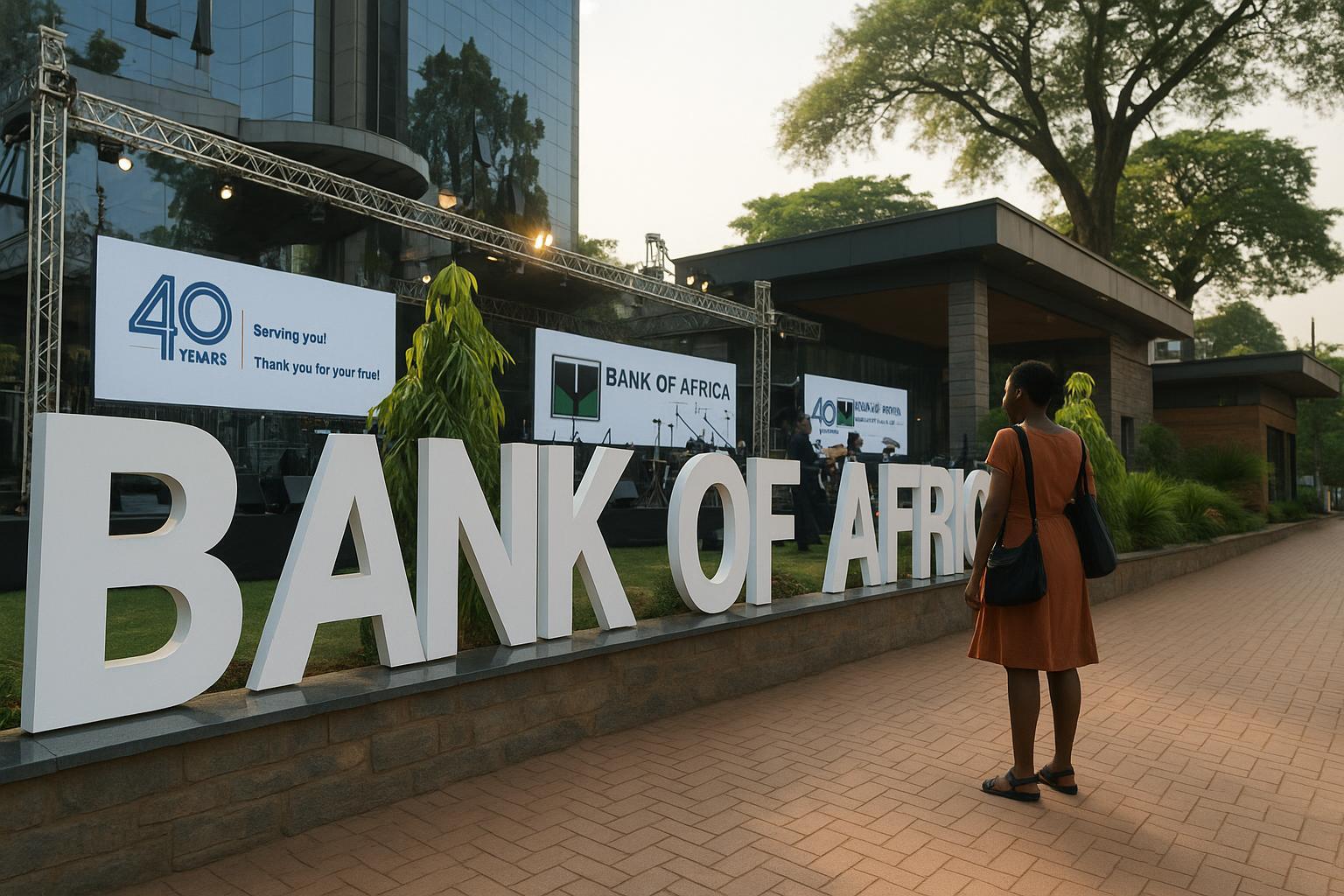
In a move applauded by market observers, the International Finance Corporation has approved a senior loan of CFAF 14.5 billion—about US$25.5 million—to Bank of Africa Congo. Structured under the IDA Private Sector Window Local Currency Facility, the financing is denominated in francs CFA, insulating borrowers from foreign-exchange volatility and marking IFC’s first investment in a Congolese bank since 2016. Executives at BOA Congo describe the facility as a decisive step toward lengthening maturities and easing interest rates for micro, small and medium-sized enterprises, a segment that still absorbs barely 13.8 percent of domestic credit relative to GDP.
Addressing Congo’s Persistent Finance Gap
Although MSMEs form the backbone of the Republic of Congo’s economy, nearly two-thirds report that complex procedures and limited financial records keep them outside formal lending channels. The most recent MSME Finance Gap assessment underlines the magnitude of the shortfall: entrepreneurs continue to rely on personal savings or informal lenders, constraining growth and tax revenues. By funnelling fresh liquidity through a mainstream commercial bank, the IFC-BOA partnership tackles a structural bottleneck identified in the World Bank Group’s country roadmap, which highlights competitive SMEs and durable job creation as top priorities for national resilience.
Spotlight on Women-Led Enterprises
At least a tenth of the new loan book is ring-fenced for businesses owned or managed by women, a stipulation that responds directly to gender-specific hurdles. Only 44 percent of Congolese women aged fifteen and above hold a bank account, compared with 51 percent of men, and a mere 9 percent have secured a formal loan. Alexandra Célestin of IFC emphasises that empowering female entrepreneurs is indispensable to inclusive growth, noting that the project reinforces Congo’s broader efforts to narrow gender gaps in economic participation. BOA Congo intends to accompany this financial window with tailored advisory services, positioning female founders to scale sustainably.
Anticipated Impact on Jobs and Value Chains
Projections released by the partners indicate that more than 3 000 small enterprises could obtain credit over the next five years. The resulting expansion is expected to spawn between 800 and 1 300 positions, including roughly 500 direct roles inside the financed firms and an additional 800 jobs along local value chains. By targeting ventures led by young professionals as well as by women, the initiative aligns with the government’s ambition to cultivate a diversified, knowledge-based economy while keeping talent anchored at home. Observers note that such employment multipliers strengthen household incomes and broaden the tax base without burdening public finances.
Advisory Component Elevates Risk Governance
Beyond the balance sheet, IFC will deliver technical assistance to sharpen BOA Congo’s credit-risk governance, fine-tune its MSME lending methodologies and install a robust Environmental and Social Management System. The advisory package aims to align the bank’s operations with international best practices, thereby safeguarding borrowers and communities while bolstering investor confidence. BOA Congo’s management argues that improved risk tools will accelerate loan approval times and reduce collateral requirements, two pain points frequently cited by Congolese entrepreneurs. The integrated approach demonstrates how capital, expertise and standards can converge to create a virtuous financing cycle.
A Pillar for Congo’s Private-Sector Agenda
The transaction exemplifies the World Bank Group’s coordinated approach—combining reform dialogue, risk-sharing mechanisms and direct investment—to crowd in private capital. It dovetails with IFC’s 2030 strategy, which seeks to amplify developmental impact through partnerships with local champions in renewable energy, agro-industry, digital services and infrastructure. Since opening its first Brazzaville office, IFC has assembled a near-US$100 million portfolio across these sectors, and the new loan signals confidence in Congo’s regulatory trajectory. By extending patient, local-currency finance to entrepreneurs, the deal contributes tangibly to the country’s vision of resilient, inclusive and job-rich growth, reinforcing momentum already nurtured by the national authorities.
