
Parliamentary diplomacy strengthens African integration
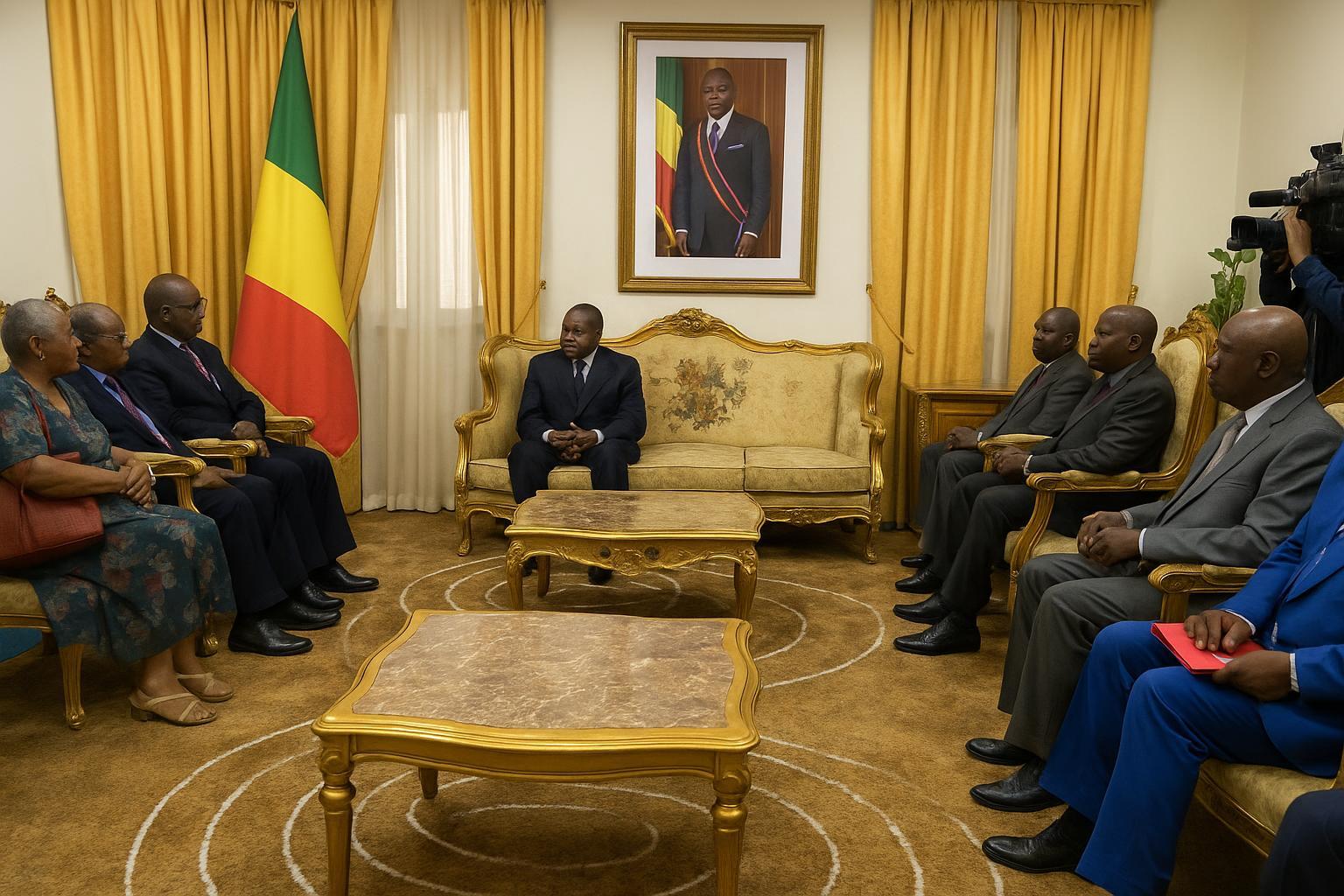
While summitry among heads of state often attracts the headlines, legislative diplomacy is increasingly recognised as a quiet driver of regional cohesion within the African Union. For Brazzaville and Pretoria, sharing committee practices, legislative drafting techniques or oversight procedures is more than a technical exercise; it allows both countries to harmonise norms that facilitate continental initiatives such as the African Continental Free Trade Area. The Senate President noted that regular dialogue among committees on finance, public accounts and gender equality could “translate pan-African ideals into enforceable statutes” without undermining national sovereignty. In Kaloko’s view, an empowered parliamentary ecosystem lays the groundwork for democratic resilience, economic planning and social inclusion. Such synergies, he suggested, ultimately give the AU a robust institutional backbone.
Economic cooperation centred on value addition
Beyond the walls of the legislature, the conversation swiftly moved to the economy. Kaloko praised Congo-Brazzaville’s membership in the African Union and hailed the country as “exemplary” in its pursuit of endogenous growth. He insisted that African nations should curb excessive import dependence and prioritise domestic processing of minerals, timber and agricultural output so that the wealth created remains on the continent. Ngolo welcomed the proposal, observing that inter-parliamentary working groups could scrutinise investment codes and trade incentives conducive to local transformation. The two officials agreed that South Africa’s industrial expertise and Congo’s resource endowment offer complementary assets. Refining crude oil in Pointe-Noire, adding value to timber near Ouesso or promoting agro-processing in the hinterland were cited as areas where bilateral legislative backing could accelerate private-sector participation and job creation.
Building legislative capacity through mutual learning
The spirit of the Brazzaville meeting rests on the premise that legislatures thrive when they learn from one another. South Africa’s Parliament, with its seasoned portfolio committees and robust public-participation models, provides useful templates for enhancing scrutiny of executive action. Conversely, Congo’s Senate has amassed practical experience in consensus-building across diverse political affiliations since its establishment under the 2015 Constitution, experience that Pretoria’s delegates can study during envisaged study visits. Training seminars for clerks, joint research missions by parliamentary institutes and reciprocal secondments for legal drafters are among the instruments under discussion. As Kaloko stressed, capacity reinforcement need not be purely institutional; it can nurture personal networks that make cooperation “organic rather than ceremonial.”
Anticipating milestones under Ambassador Kaloko’s tenure
Kaloko’s imminent presentation of credentials will formalise a mandate framed by this inaugural exchange. Both sides envisaged a road map that could feature a Brazzaville visit by a South African parliamentary delegation in the first half of the new year, followed by a reciprocal trip to Cape Town timed with a session of the National Council of Provinces. Draft memoranda of understanding may include clauses on digitalisation of legislative archives, gender-responsive budgeting and youth engagement forums. Though still embryonic, the agenda received Ngolo’s endorsement, as he highlighted the Senate’s openness to innovation and its commitment to the objectives enshrined in the African Charter on Democracy, Elections and Governance.
A discreet chapter with continental resonance
What emerged from the Brazzaville exchange is an affirmation that diplomacy is increasingly multidimensional. It unfolds not only in presidential palaces or foreign ministries but also across committee rooms where statutes are shaped. By prioritising parliamentary cooperation, Congo-Brazzaville and South Africa project a confidence in democratic institutions and send a signal that African solutions can be crafted by Africans themselves. As the ambassador put it, transforming raw materials at home and limiting non-essential imports is a strategic imperative; giving legislatures the tools to enact and monitor that agenda is equally vital. The coming months will reveal how swiftly this bilateral vision translates into concrete programmes, yet the foundations appear solid. In the words of Pierre Ngolo, “Our two parliaments speak different languages but share the same ambition: to serve the continent through laws that liberate its potential.”
