
Brazzaville Signals an Urgent yet Poised Alert
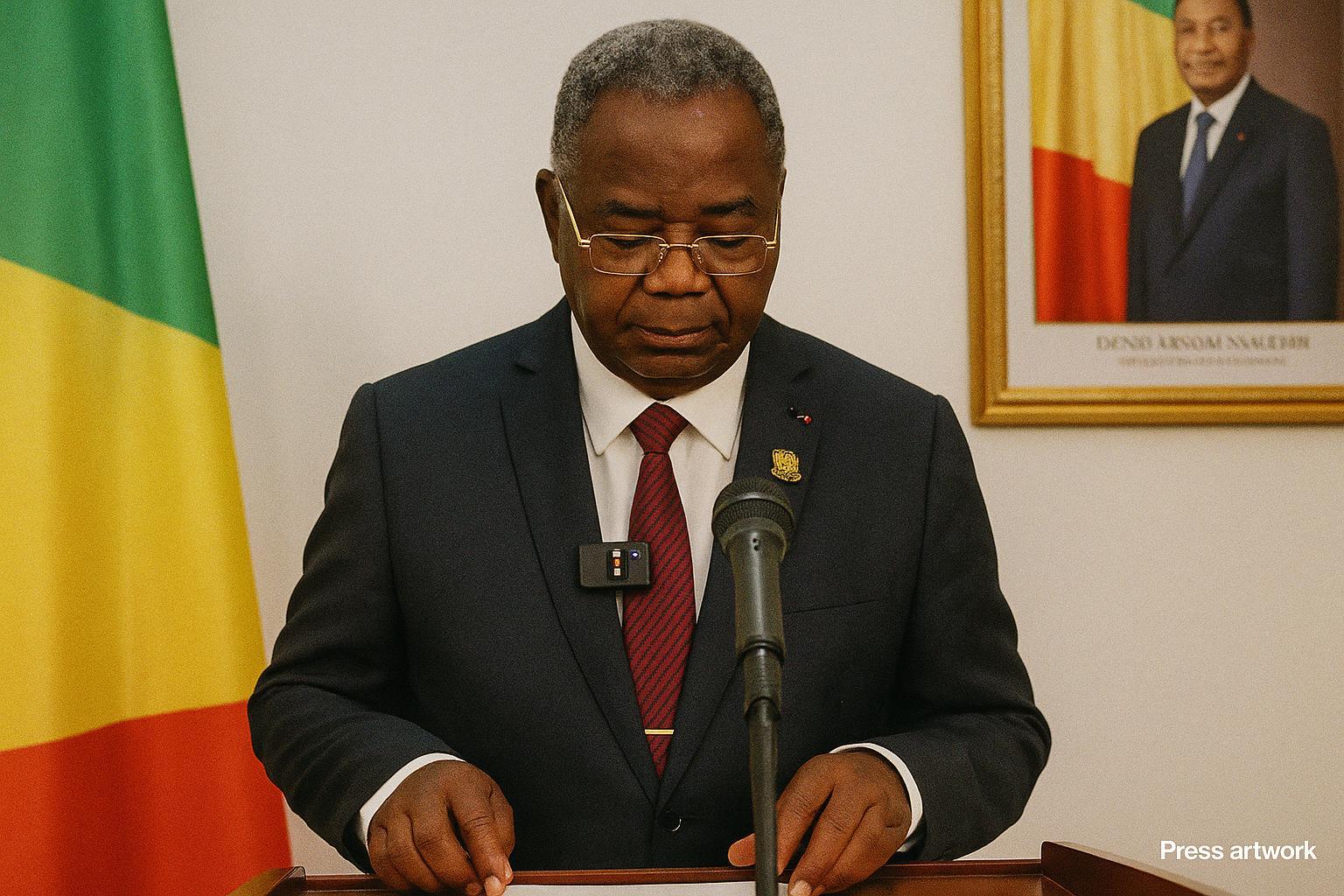
The declaration of a cholera outbreak on Mbamou Island by Health and Population Minister Professor Jean Rosaire Ibara reverberated through diplomatic circles on 26 July. Laboratory confirmation of two Vibrio cholerae infections among three patients, secured in collaboration with World Health Organization experts, prompted the government to invoke the International Health Regulations 2005. The minister’s transparent communication—citing 103 suspected and 12 probable deaths—underscored a desire to balance candour with reassurance, a nuance not lost on partners in Brazzaville and beyond.
Early Containment Measures and Multilateral Synergy
Well before the formal declaration, surveillance teams had intensified stool-culture diagnostics across the Congo River floodplain, drawing on protocols refined during the 2017 cholera episode in the Pool region (WHO 2018). Once confirmation arrived, a joint task force integrating national epidemiologists, United Nations agencies and Médecins Sans Frontières logisticians established rehydration points within forty-eight hours. According to an internal situation brief consulted by this magazine, 4 000 litres of Ringer’s lactate and 7 tonnes of water-purification agents crossed to the island under marine-unit escort, illustrating a whole-of-government mobilisation that regional observers have described as “methodical and insulation-minded”.
Infrastructure, Logistics and Community Trust
Cholera control ultimately hinges on hygiene infrastructure. Mbamou’s geography—an island ill-served by deep-draft piers—poses logistical hurdles that the Ministry of Defence addressed by repurposing riverine patrol barges into floating clinics. At the same time, community health workers have translated biomedical guidance into Lingala and Kituba radio spots, mindful that public trust can wane if messages appear overly technocratic. The capital’s municipal utility has tripled chlorination at intake plants feeding the river corridor, a preventive step applauded by the African Water Association in an assessment shared with our newsroom.
Regional Health Security and Diplomatic Optics
For Kinshasa, Libreville and Bangui, Brazzaville’s handling of the flare-up offers a barometer of regional health security. Transboundary ferry traffic constitutes the economic lifeblood of the riverine axis; an unmitigated epidemic could disrupt trade flows valued at nearly USD 800 million annually (CEMAC statistics 2022). By moving swiftly yet avoiding draconian closures, Congolese authorities signalled respect for the African Continental Free Trade Area spirit while prioritising sanitary corridors. One senior diplomat from a neighbouring state, speaking on background, credited Congo with “maintaining epidemiological prudence without drifting into protectionist theatrics”.
Historical Echoes and Comparative Lessons
Congo-Brazzaville’s contemporary public-health doctrine is informed by the 2009 Pointe-Noire cholera wave, during which delayed risk communication contributed to case-fatality ratios exceeding 5 percent. The present outbreak, by contrast, records a markedly lower mortality trajectory, converging toward the sub-1 percent benchmark advocated by UNICEF. Comparative analyses with recent episodes in Malawi and Mozambique reveal that early oral rehydration, coupled with ring vaccination where feasible, constitutes a cost-effective shield against explosive case curves (Johns Hopkins Global Health Review 2023). While oral cholera vaccine logistics for an island setting remain under deliberation, procurement channels via the International Coordinating Group are reportedly being explored.
Socio-Economic Resilience and Domestic Governance
The government’s posture also reflects an awareness of public sentiment. Inflationary headwinds tied to global commodity cycles have already strained household purchasing power, making affordable health care a political imperative. A presidential decree freed an emergency allocation of 2.3 billion CFA francs to subsidise oral rehydration salts and pre-position rapid diagnostic kits. Analysts note that this fiscal manoeuvre dovetails with the National Development Plan’s human-capital pillar, reinforcing perceptions of policy continuity rather than ad-hoc crisis firefighting.
Pathways to Long-Term Water Security
Beyond the immediate clinical response, structural water and sanitation investments will ultimately define outbreak recurrence patterns. The forthcoming Brazzaville Water Master Plan—drafted with African Development Bank technical input—envisions ultraviolet treatment units on Mbamou and solar-powered boreholes for hinterland villages. Negotiations continue with the Green Climate Fund for concessional financing, a testament to Congo’s intention to embed cholera prevention within broader climate-resilience architecture.
A Calculated Yet Compassionate Outlook
As field data evolve, the Republic of Congo’s approach illustrates a calibrated fusion of epidemiological rigour, diplomatic sensitivity and socio-economic foresight. The administration’s readiness to publish case tallies, engage multilateral partners and ring-fence budgetary resources conveys pragmatic resolve rather than alarmism. For regional actors and investors alike, this posture offers a measure of predictability at a time when public-health events can swiftly morph into reputational and logistical upheavals. Should the current momentum persist—augmented by community adherence to hygiene advisories—the Mbamou episode may emerge not only as a medical challenge surmounted but as confirmation of institutional maturity within Congo-Brazzaville’s governance landscape.
