
Brazzaville sets the tempo for a digital renaissance
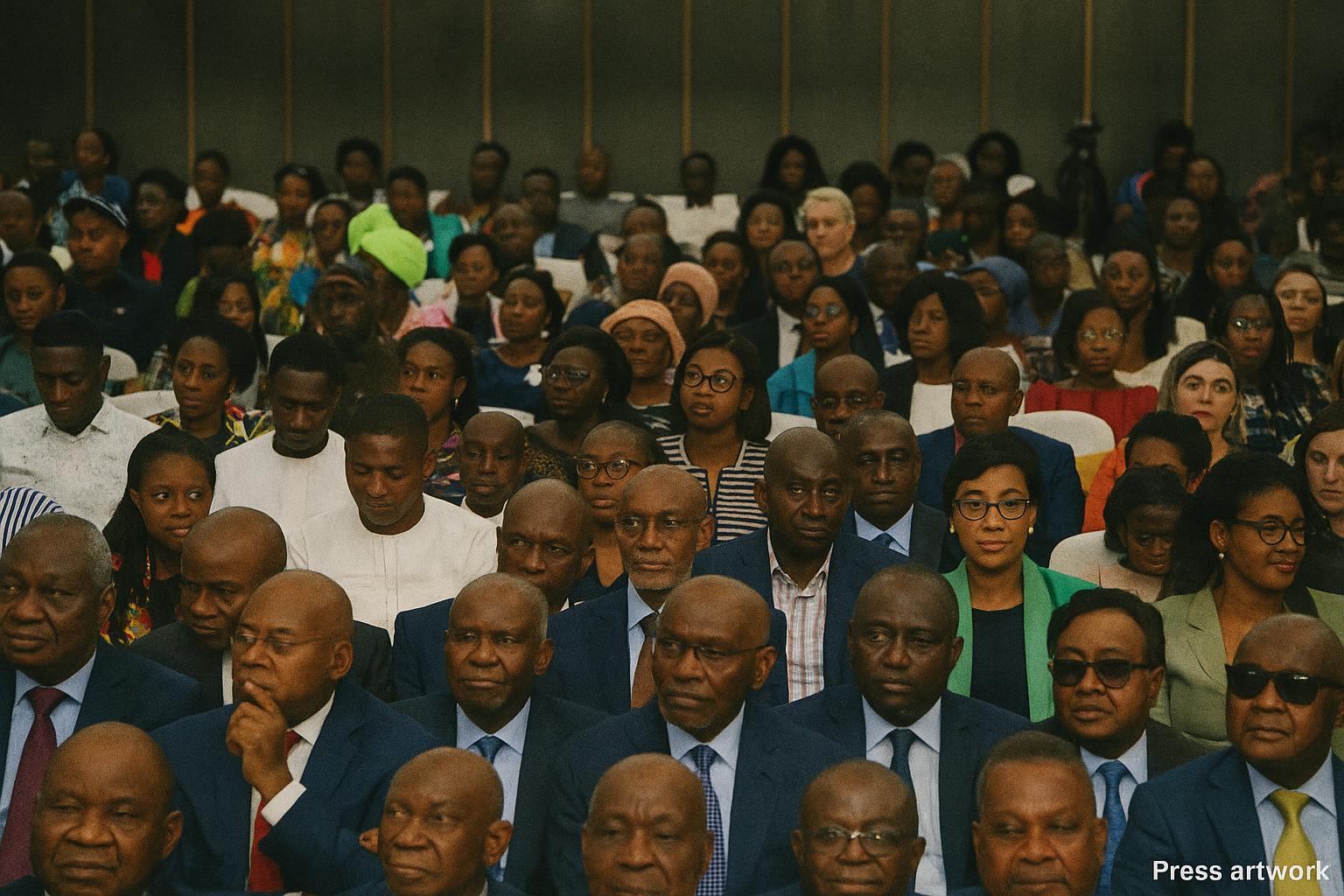
When the twelfth edition of the Pan-African Music Festival (FESPAM) gathered experts in Brazzaville on 24 July, the conversation drifted rapidly from brass bands to broadband. Delegates from ministries of culture, telecom regulators and regional organisations agreed that without sovereign digital platforms Africa’s vibrant music risks being curated—and monetised—elsewhere. That premise, articulated by Congolese Minister of Culture Lydie Pongault in her opening remarks, reflects a broader continental anxiety: according to the International Federation of the Phonographic Industry, Africa generated barely two per cent of global streaming revenues in 2022 while providing a disproportionate share of viral genres.
Yet the mood in Brazzaville was one of strategic optimism. Congo-Brazzaville has already mandated its Agence de Régulation des Postes et des Communications Électroniques to outline fiscal incentives for local content platforms, a measure praised by representatives from the Economic Community of Central African States. Delegates argued that digital sovereignty begins with infrastructure—compressed-file hosting, domestic payment gateways, and mobile-money interoperability—where the cost of data remains a deterrent for many listeners. The International Telecommunication Union notes that sub-Saharan mobile data prices average 4.5 per cent of monthly income, four times the UN affordability target, underscoring the relevance of low-bandwidth design and freemium models proposed in Brazzaville.
Fiscal and legal architecture for creative sovereignty
Beyond bandwidth, the symposium’s most debated item was revenue capture. Participants proposed that tax codes recognise digital stores as exporters of intellectual capital, deserving of VAT rebates similar to other intangible services. In a corridor conversation, an adviser to the Congolese Ministry of Finance estimated that a one-point increase in royalty collection could add the equivalent of one quarter of the annual state subsidy for cultural events. The African Union’s 2019 report on the creative economy supports this calculus, suggesting that music contributes up to 1.9 per cent of GDP in countries with robust collection agencies.
The FESPAM communiqué therefore calls for harmonised copyright legislation aligned with the World Intellectual Property Organization’s Beijing Treaty. Particular emphasis was placed on combating piracy through coordinated takedown procedures and machine-learning content ID, elements already piloted by the Collective Management Organisation of Côte d’Ivoire. Delegates further recommended that a fixed share of dividends from national or public-private streaming platforms should be retroceded to tradi-modern musicians, those hybrid performers who deploy balafon riffs over Afro-trap loops yet seldom appear on global playlists.
From heritage to cloud: safeguarding traditional repertoires
While monetary flows dominated headlines, archivists at the symposium reminded participants that cultural capital evaporates if not preserved. The Centre International de Recherche et de Documentation sur les Traditions et les Langues Africaines (CERDOTOLA) presented preliminary findings indicating that 40 per cent of central African wax cylinder recordings from the colonial period remain uncatalogued. Delegates urged a continental audit of traditional music holdings as a first step toward digitisation and ultimately cloud-based conservation.
Congo-Brazzaville’s own National Centre for Dramatic Arts pledged to host a pilot archive in partnership with the United Nations Educational, Scientific and Cultural Organization. By integrating high-resolution audio with metadata in indigenous languages, the project aims to satisfy scholars while providing material for remix culture. As ethnomusicologist Gertrude Ngalula observed in a panel discussion, “safeguarding heritage is not nostalgia; it is the research and development wing of tomorrow’s sound.” The remark resonated in a festival where younger artists sampled field recordings of Téké chants before launching them onto TikTok.
Outlook: monetising soundscapes responsibly
The carefully worded Brazzaville recommendations stop short of prescribing a single continental platform, recognising the heterogeneity of regulatory landscapes from Lagos to Lusaka. Nevertheless, the call for interoperable standards and reciprocal royalty frameworks signals an emerging consensus: African music cannot continue to rely on foreign algorithms to reach African ears.
Congo-Brazzaville, by convening this debate, positions itself as a facilitator rather than an enforcer, a tone that aligns with President Denis Sassou Nguesso’s frequent emphasis on cultural diplomacy as a pillar of soft power. The next twelve months will test whether the political will expressed at FESPAM can be translated into coding sprints, cross-border treaties and affordable data bundles. Should that momentum hold, the continent’s musicians may finally harvest a fairer share of the global streaming boom while ensuring that the lullabies of the ancestors are not lost in the cloud but reborn through it.
