
Cinema lights dim and a cultural current awakens
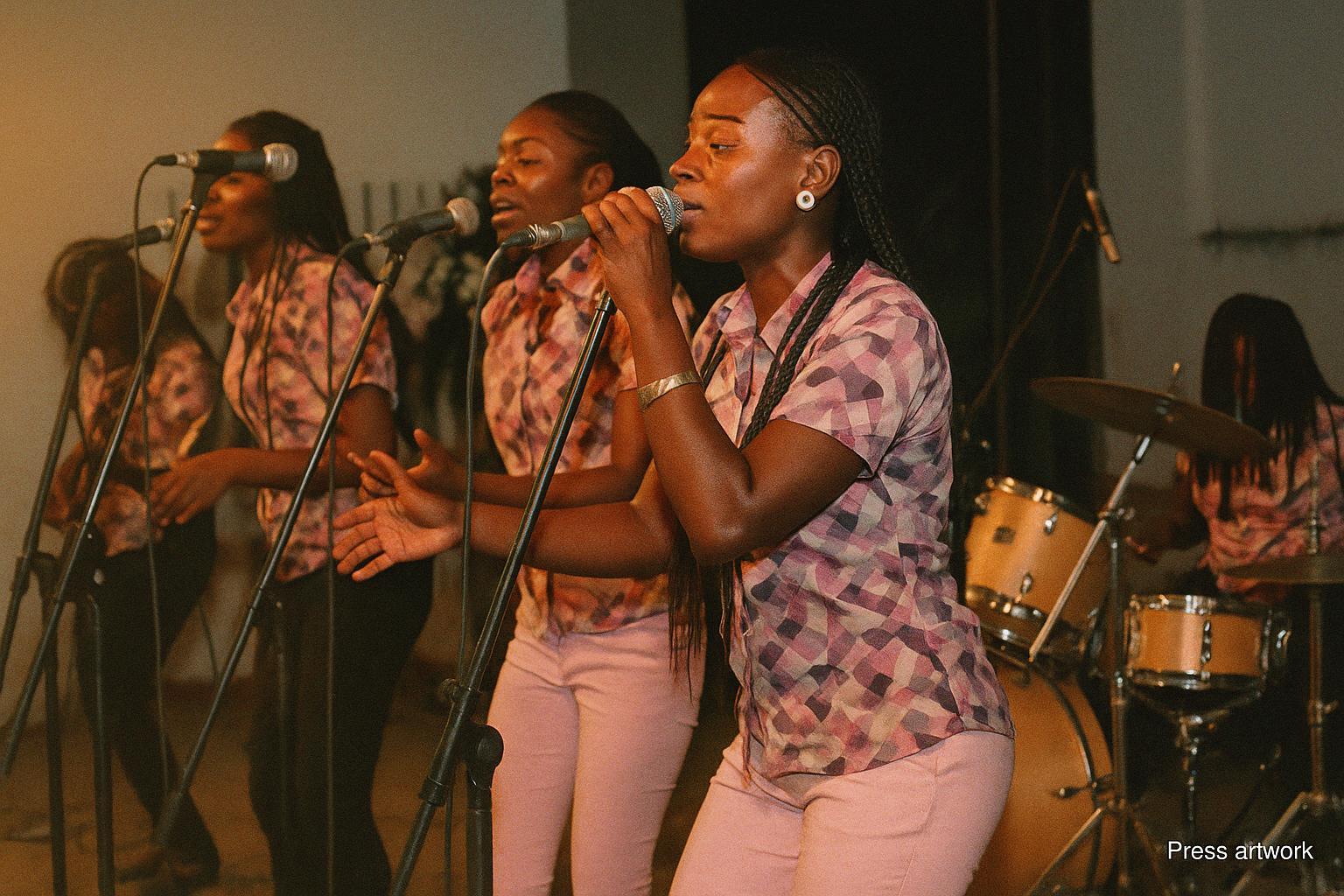
A cool July evening in the heart of Brazzaville’s Poto-Poto district rarely stops cultural devotees, and the single screening of “La rumba congolaise, les héroïnes” proved no exception. Close to five hundred guests, among them President Denis Sassou Nguesso, converged on the historic Olympia cinema to witness a tribute to the women who have shaped one of Africa’s most widespread musical idioms. While festival banners fluttered outside, the hush in the auditorium signalled a collective expectation that surpassed mere entertainment: this was heritage meeting diplomacy.
FESPAM’s discreet role in soft power projection
Since its inception in 1996, the Festival panafricain de musique has served as Brazzaville’s cultural handshake to the continent and beyond. The twelfth edition, now concluded, subtly reaffirmed Congo-Brazzaville’s reputation as a steward of pan-African artistic exchange. Government officials view the event as a long-term investment in soft power, a notion echoed by diplomats stationed in the capital who routinely cite FESPAM’s contribution to regional cohesion. The presence of the Head of State at the screening underscored the strategic weight accorded to cultural diplomacy in national planning, aligning with the country’s broader Vision 2025 framework.
Director Yamina Benguigui and the recovery of erased voices
French-Algerian filmmaker and former minister Yamina Benguigui explained before the projection that the 2021 inscription of rumba on UNESCO’s Representative List risked freezing the genre in a strictly male narrative. Her hour-long film, shot between Kinshasa and Brazzaville, counterbalances that perception by foregrounding voices such as Faya Tess, Lucie Eyenga and Mbilia Bel. Benguigui’s methodology blends archival footage with present-day testimonies, allowing each artist to recount both musical triumphs and systemic barriers. The director’s argument—that no cultural heritage is complete if half its architects remain invisible—found a receptive audience among the festival’s academic observers.
Echoes across the Congo River: a shared musical citizenship
Historian Didier Gondola reminded attendees that the two Congos have long communicated through melody even when politics ran tense. From Eyenga’s 1956 liberation anthem to Mbilia Bel’s romantic ballads of the eighties, female performers fashioned lyrical bridges over the 4-kilometre urban waterway separating Brazzaville from Kinshasa. Recent scholarship by the Université Marien Ngouabi corroborates that rumba records travelled in both directions minutes after studio release, knitting audiences into an imagined community far larger than their national flags (Gondola 2022). By revisiting this trans-river lineage, the documentary reinforces UNESCO’s earlier assessment of rumba as a symbol of “shared human creativity” (UNESCO 2021).
Equity, royalties and the economics of recognition
Behind the celebratory overtone runs a pragmatic undercurrent: many veteran singers still await comprehensive royalty settlements. Mbilia Bel, whose repertoire once topped African charts, discloses in the film that four decades of touring have yielded meagre copyright dividends. Cultural economist Jean-Claude Ibovi, interviewed on national television after the screening, hailed the documentary as an impetus for renewed dialogue between collecting societies and policymakers. While no formal announcements were made during FESPAM, officials from the Ministry of Culture intimated that draft amendments to copyright statutes could reach parliament in the coming session, signalling institutional willingness to translate homage into material justice.
A forward-looking cadence for Congo’s cultural diplomacy
The evening in Brazzaville concluded with an impromptu performance by local slam artist Mariusca Moukengué, whose verses underscored generational continuity in the struggle for visibility. Her intervention illustrated how the documentary may well spark fresh creative currents rather than a backward-looking nostalgia. As foreign envoys mingled with musicians in the foyer, conversations revolved around future co-productions, touring circuits and educational exchanges. In that sense, “La rumba congolaise, les héroïnes” transcended its cinematic boundaries, acting as a platform for strategic engagement precisely aligned with Congo-Brazzaville’s ambition to harness culture as a pillar of diplomatic outreach.
