
CESE Confronts a “Structural Crisis” in Retirement Pensions
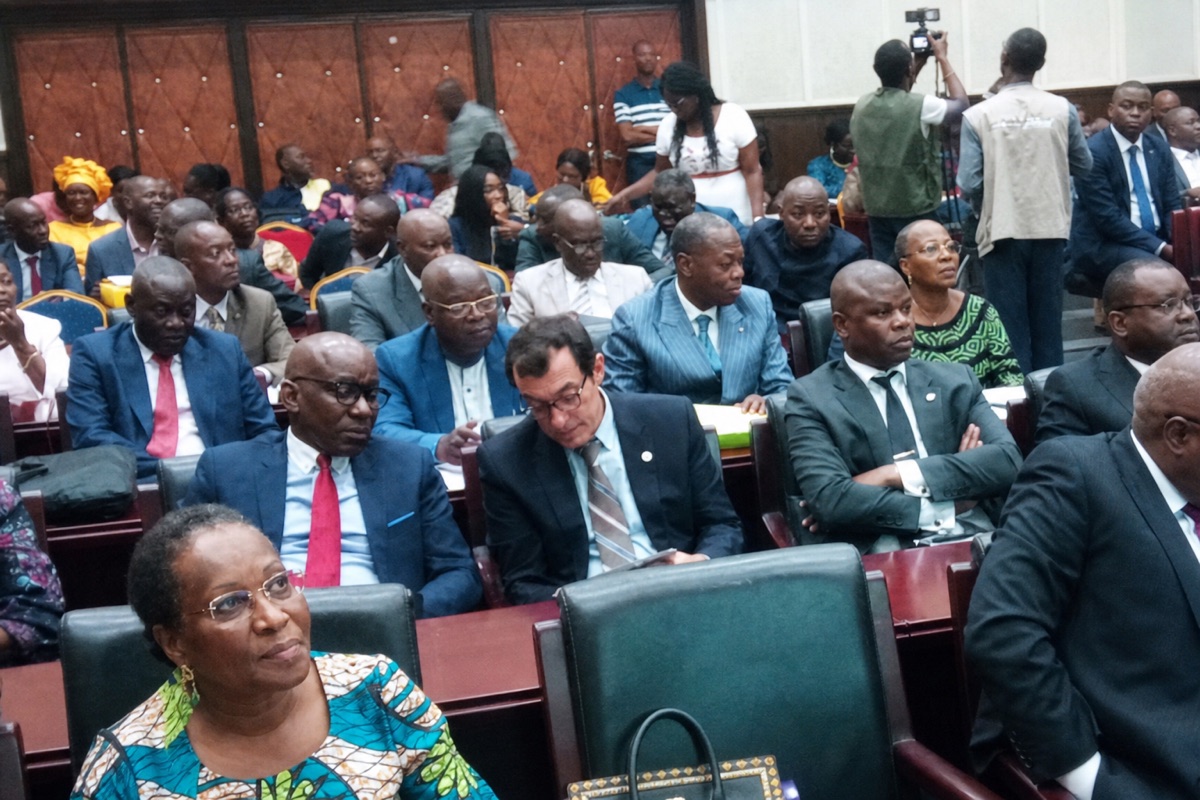
Meeting in its second ordinary session from 6 to 10 July in Brazzaville, the Economic, Social and Environmental Council (CESE) adopted a battery of recommendations meant to repair the way the Republic of Congo (Congo-Brazzaville) administers its retirees. The advisory institution did not soften its diagnosis, describing the present handling of pension claims as a “structural crisis” (journaldebrazza.com) — a formula that captures the chronic wait endured by citizens who leave active service only to see their first payment delayed for months.
The Council’s central concern is precisely that interval between the end of a career and the arrival of the first pension. To compress it, the CESE recommends reforming the existing mechanism so that new retirees are taken into care far more quickly than they are today.
A Thirty-Day Deadline and Pre-Liquidated Files
At the heart of the proposals sits a change of tempo. The CESE suggests that pension files be pre-liquidated six months before an employee’s effective departure, so that the administrative groundwork is settled while the person is still at their post. It further recommends that the first pension be paid within a maximum of thirty days after activity ceases, turning what has often been an open-ended wait into a bounded, enforceable commitment.
The logic is preventive rather than remedial: by preparing the paperwork in advance, the system would stop treating each retirement as an unforeseen event and start handling it as a scheduled, predictable transition.
One Window to Untangle Overlapping Institutions
Beyond timing, the Council targets the fragmentation of Congo’s retirement architecture. It calls for a single window bringing together the services of the National Social Security Fund (CNSS) and the Civil Servants’ Pension Fund, so that retirees no longer shuttle between bodies to assemble a single entitlement.
Complementing this, the CESE urges a full digitisation of the pension-processing chain and the creation of a dedicated crisis unit tasked with clearing the backlog of files that have languished for more than a year. Together, these measures sketch an administration that is at once consolidated, digital and equipped to attack its own arrears.
National Tree Day: Ambition Meets Modest Results
The Council also turned to an older institution, the National Tree Day established in 1984 by President Denis Sassou N’Guesso. The CESE credits the initiative with real potential for sustainable development, yet it points to a gap between the stated ambitions and the results actually achieved on the ground.
To close that gap, the institution recommends favouring plant species suited to local conditions, intensifying awareness campaigns and, crucially, securing a specific and durable source of funding. The implicit message is that a symbolic annual gesture will not, on its own, deliver an environmental dividend without sustained resources behind it.
From Recommendation to Reform
As an advisory body, the CESE proposes rather than legislates, and its July recommendations now await translation into policy. Yet the coherence of the package — faster payouts, a unified counter, digitisation and dedicated environmental financing — offers the government a ready-made roadmap on two fronts that touch citizens directly: the dignity of retirement and the credibility of Congo’s green commitments.
