
A season on hold, a centre in waiting
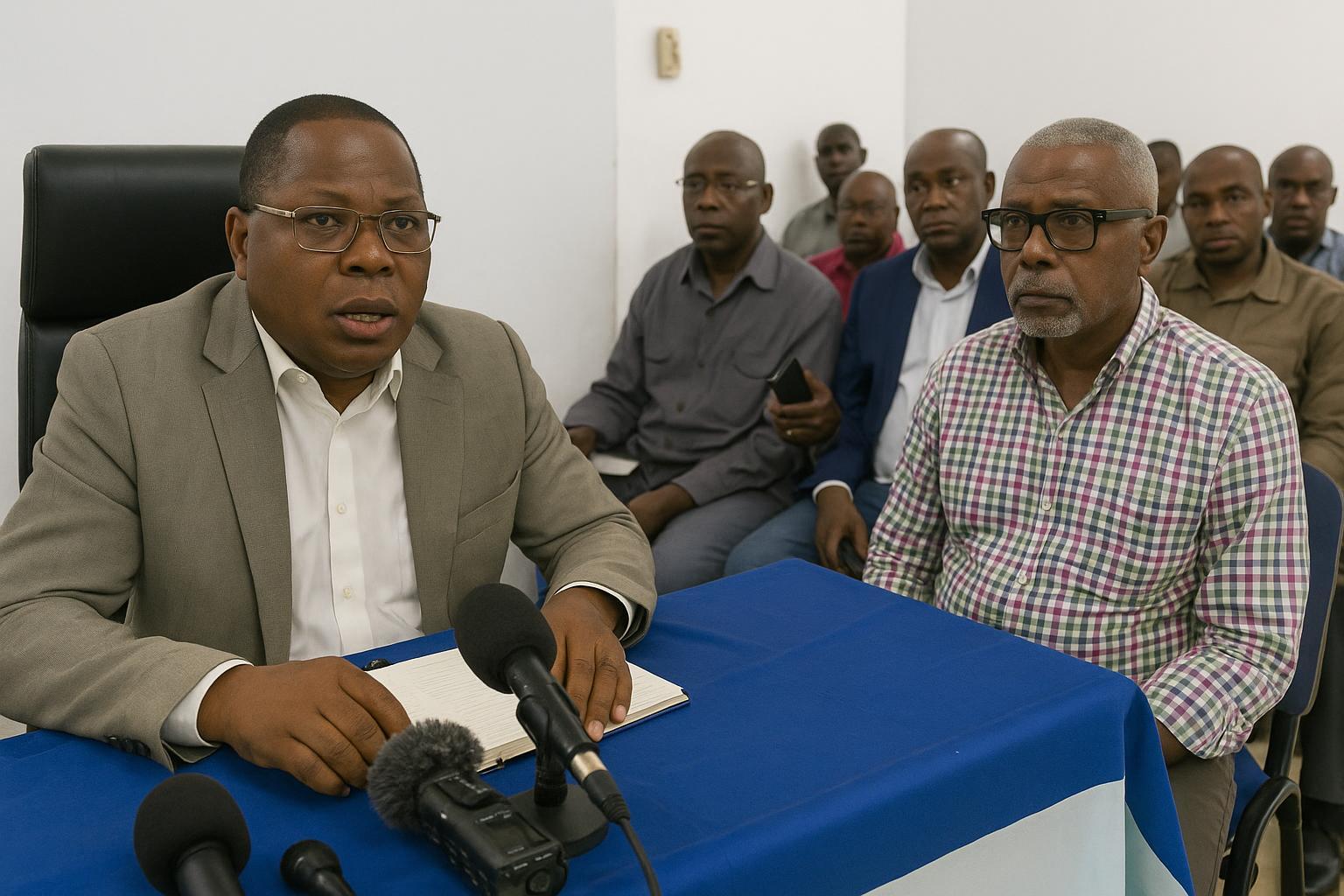
For thirteen months the roar of domestic football has been conspicuously absent from Congolese terraces. With the main municipal stadiums still shuttered, the Congolese Football Federation (Fécofoot) has turned its gaze toward the organisation’s own technical centre in Ignié, forty kilometres north-west of Brazzaville, as the singular route to salvaging the 2025-2026 season. During a gathering on 29 October in the capital, Fécofoot president Jean Guy Blaise Mayolas told representatives of all Ligue 1 and Ligue 2 clubs that the federation was “working against the clock” to ensure both championships can be played under a single secure roof.
The proposal would concentrate more than 500 fixtures on the two natural-grass grounds of the centre, an audacious logistical undertaking framed by officials as a last resort rather than a bold experiment. Mayolas argued that “only Ignié offers the combination of sporting integrity, television compatibility and immediate availability that the calendar now demands”. His words were met with cautious support from club executives who fear that an additional blank year would bleed finances, drain playing squads and jeopardise continental ambitions.
Negotiations with the Ministry of Sports remain pivotal
At the heart of the crisis lies an administrative standoff. Since late 2024, the Ministry of Sports has maintained preventative closures of state-owned arenas, citing a spate of allegations ranging from referee corruption to the manipulation of results by club officials. In correspondence shared with federation delegates, the ministry emphasised the need for “a credible framework to preserve competitive fairness” before any reopening could be authorised. Mayolas reminded attendees that several individuals identified in the now-infamous audio leak have already faced disciplinary bans handed down by the federation’s ethics commission, a point he considers sufficient to warrant a phased return to the usual venues.
Yet the ministry has not reversed its stance, prompting Fécofoot to invest instead in retrofitting Ignié. A joint technical mission established with FIFA’s development office in Dakar has already inspected the pitches, dressing rooms and broadcast compound. Security audits led by the Congolese police’s sports division are ongoing to conform with directives issued by the Confederation of African Football (CAF) for closed-door matches. Government officials, while publicly welcoming the federation’s proactive spirit, insist that “strict compliance measures” must be demonstrated before a full domestic calendar is licensed.
FIFA standards and the race to upgrade infrastructure
The Ignié complex, inaugurated in 2017, was initially conceived as a talent-development laboratory rather than a professional arena. Its transformation into a seasonal home for two national divisions demands accelerated investment: perimeter fencing, video-assistant-referee workstations, dedicated spectator zones and expanded medical facilities. According to engineers contracted by the FIFA Forward programme, installing new lighting towers alone will require six weeks of uninterrupted work if evening kick-offs are to be commercially viable.
Fécofoot’s finance department has drafted a provisional budget of 2.4 billion FCFA, of which 60 percent is expected to be covered by a special grant under the FIFA Forward cycle III allocation. The remainder, federation officials say, could be mobilised through broadcast advance payments and a bridge facility negotiated with two local banks. “We are aligning our timelines with the international windows so that our clubs can still comply with CAF Champions League registration deadlines,” explained Fécofoot vice-president Barthélémy Ngatsé, underscoring the delicate dance between infrastructure readiness and competitive eligibility.
Clubs voice concern over talent drain and continental exclusions
While applauding the federation’s sense of urgency, club presidents left the Brazzaville meeting acutely aware of collateral risks. Without regular match exposure, dozens of semi-professional players have already sought trials in neighbouring leagues, often on free transfers. AC Léopards general secretary Mireille Koumba warned that “another dormant season would effectively dismantle payroll structures and youth academies that took years to assemble”. The financial ripple could be felt across ancillary sectors, from kit suppliers to regional transport operators that depend on weekend fixtures.
On the international front, Congo’s coefficient in CAF competitions has slipped two places since 2023, a decline that stakeholders attribute directly to the league hiatus. Should domestic play not resume by February, local sides would again forfeit their Champions League and Confederation Cup slots, surrendering exposure and prize money. Mayolas conceded that “the global image of Congolese football is at stake”, but maintained that centralising operations at Ignié would provide “a controlled environment for officials, match delegates and VAR technicians”.
À retenir
Fécofoot’s Ignié plan seeks to compress two divisions into a single secure venue, a move supported in principle by FIFA and currently under review by the Ministry of Sports. Upgrades worth 2.4 billion FCFA must be completed before the proposed February kick-off to prevent Congo’s absence from continental tournaments.
Le point juridique/éco
Legally, the federation operates within the 2021 Sports Statute, which allows private facilities to host national competitions upon ministerial assent. The unprecedented consolidation at Ignié therefore hinges on a waiver certifying that anti-corruption protocols—including enhanced referee monitoring and independent match observance—are in place. Economically, analysts estimate that a resumed league could inject up to 6 billion FCFA into the informal sector through travel, merchandising and broadcast rights, a stimulus that the pandemic-hit sports economy badly requires. In that context, rapid consensus among government, Fécofoot and clubs emerges not merely as a sporting imperative but as an economic one.
