
Brazzaville Assembly Signals Media Momentum
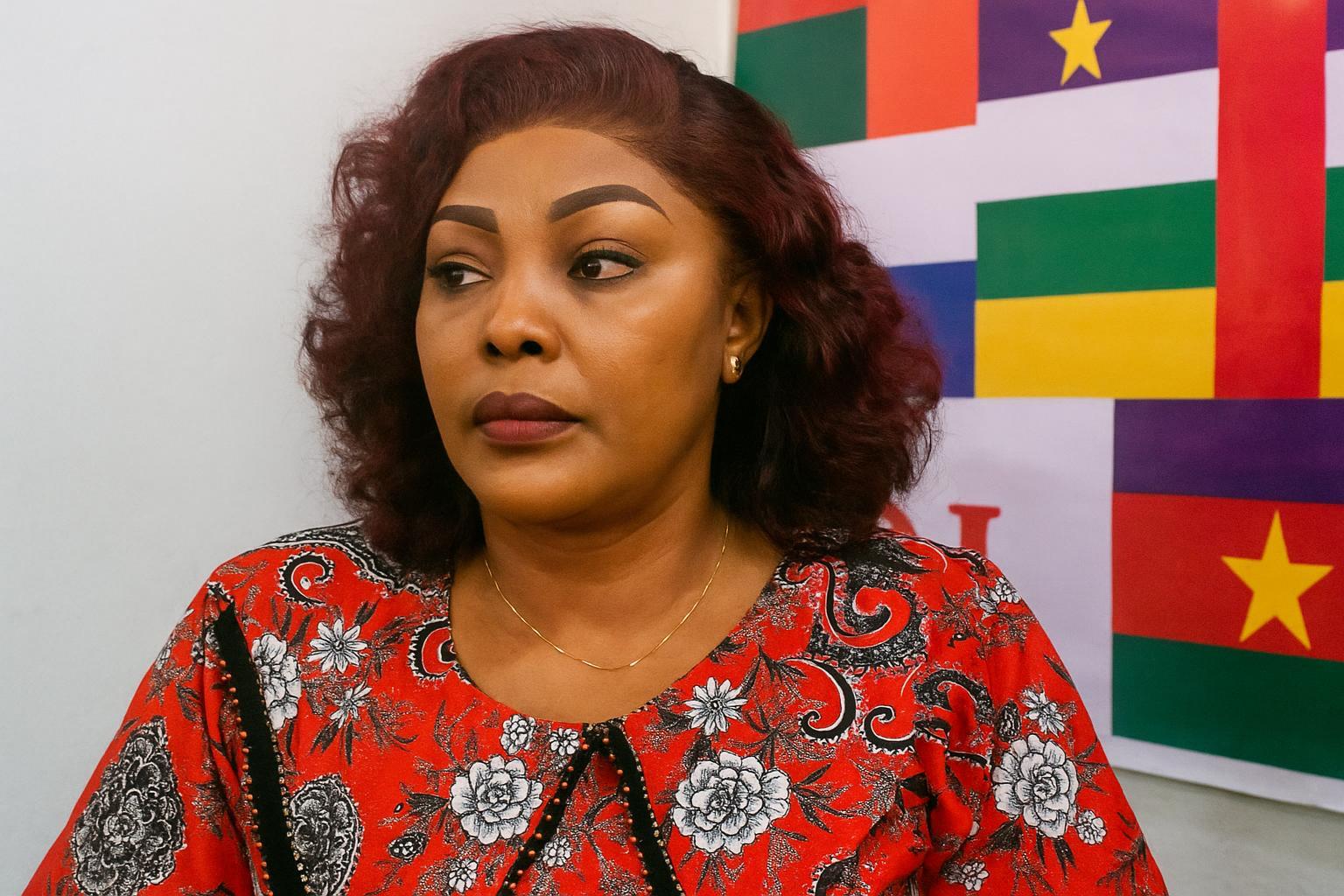
The Salle des Conférences Internationales in Brazzaville resonated with a rare blend of conviviality and institutional purpose on 30 August 2025 when journalists from every corner of the Republic of Congo and invited colleagues from Kinshasa gathered for the elective general assembly of the Pan-African Journalists’ Network, better known by its French acronym RPJ. By the time the ballots were counted, television reporter Messilah Nzoussi, widely admired for her investigative pieces on economic modernisation, had been elected president of the network’s national committee. Her elevation, endorsed by a show of hands and an ovation that lasted several minutes, crystallised the sector’s resolve to professionalise at a moment when the Congolese information landscape is expanding via digital platforms and community radios.
A Mandate Anchored in Professional Solidarity
In her first address as president, Nzoussi framed her mandate in terms of continuity with the founding principles articulated by continental president Adrien Wayi Lewy in 2011: freedom to inform, mutual support and quality journalism. “Our newsroom battles may differ, but our aspirations converge,” she told delegates in remarks subsequently broadcast on Télé Congo. She underscored her determination to work hand-in-hand with secretary-general Roger Ngombé, financial counsellor Mavie Obira, training counsellor Cherel Otchamingui and communication counsellor Alex Bisseyou Moukini. The collective profile of the new executive, blending radio, television and print expertise, epitomises the cross-media synergies the RPJ hopes to nurture across the sub-region.
Strategic Priorities: Training, Finance and Cross-Border Cooperation
Nzoussi’s roadmap is built around three converging priorities. First, she places sustained emphasis on capacity-building. According to the UNESCO Programme for the Development of Communication, close to sixty per cent of Congolese journalists under thirty have never benefited from advanced professional workshops. Nzoussi intends to close that gap by negotiating scholarships with the African School of Communication and by promoting in-house mentorship schemes led by veteran reporters. Second, she stresses financial resilience for newsrooms. The sector has witnessed rising printing and bandwidth costs, and the new RPJ team plans to set up a revolving micro-credit facility that will allow start-up outlets to invest in equipment without sacrificing editorial independence. Finally, the committee sees regional cooperation as indispensable. The presence of delegates from the Democratic Republic of Congo illustrated the appetite for cross-border investigative initiatives on shared challenges such as forestry management in the Congo Basin.
Aligning with National Vision for the Information Sector
Nzoussi’s agenda dovetails with the government’s own ambitions for a modern, responsible press. The Ministry of Communication and Media has recently updated the press code, offering fiscal incentives to organisations that invest in training and technology. Officials who attended the assembly, including Director-General of Communication Charles Kibangou, hailed the new RPJ leadership as a partner for the national digital transformation plan. Kibangou noted that the upcoming launch of a national data centre will give newsrooms unprecedented access to socio-economic statistics, enabling evidence-based reporting that echoes President Denis Sassou Nguesso’s call for solutions journalism in support of the national development plan.
Regional Echoes and Continental Ambitions
Across Central Africa, peer associations have welcomed the Brazzaville outcome. The Cameroon Union of Journalists issued a communiqué describing Nzoussi’s election as “a catalyst for a revitalised sub-regional information space”. For Adrien Wayi Lewy, who founded the network in the same city fourteen years ago, the new committee is a reminder that the RPJ’s heart still beats where it began. He saluted Nzoussi’s “lucid pragmatism” and invited members to prepare a white paper on the future of African journalism, to be tabled at the next African Union summit. Such initiatives position the RPJ as an actor capable of feeding empirical insight into continental policy debates on media viability and digital sovereignty.
À retenir
Beyond the symbolism of a generational shift, the election signals the growing institutional maturity of Congolese journalism. It confirms the Republic of Congo’s place as an incubator of continental press initiatives and suggests that regional solidarity can coexist with, and indeed reinforce, national strategies aimed at strengthening public information ecosystems.
Le point juridique/éco
Under the revised 2022 press code, media organisations that allocate at least ten per cent of their operating budget to continuous training benefit from a graded reduction in corporate tax. Legal scholars from Marien Ngouabi University argue that this incentive aligns with the 2018 CEMAC directive on encouraging cultural industries. Economically, the revolving fund envisaged by the RPJ could inject up to 150 million CFA francs into small outlets over three years, a modest but strategic boost likely to spur job creation in a sector where youth unemployment remains a concern. Nzoussi’s team must, however, navigate banking regulations that cap unsecured lending, a challenge the committee plans to meet through partnerships with credit-guarantee schemes supported by the African Development Bank.
