
Brazzaville spotlight on paediatric surgeons
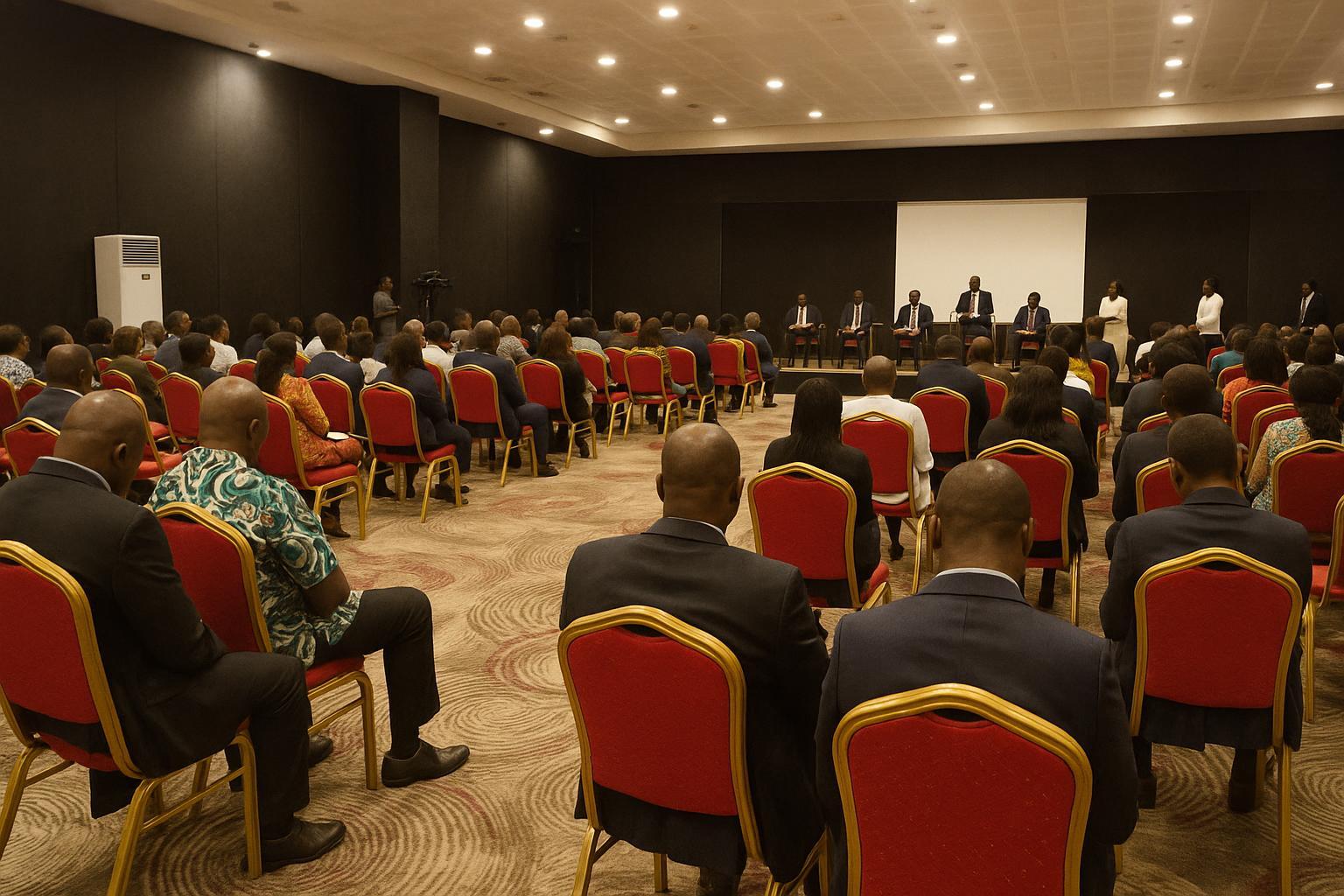
A rare concentration of paediatric surgical expertise has descended upon the Congolese capital for the tenth congress of the African Society of Paediatric Surgery (SACP) and the inaugural congress of the Congolese Society of Paediatric Surgery (SOCOCHIP). Opening the meeting on 20 November, Professor Caryne Mboutol Mandavo, who chairs both organisations, reminded delegates that the event coincides symbolically with the International Day for the Rights of the Child, underscoring the ethical imperative that guides their profession. Over three days, surgeons, researchers and public-health specialists from fifteen African countries are debating how best to reduce the burden of musculoskeletal disease on the continent’s youngest citizens. Their objective is to return home with a series of consensual recommendations capable of influencing national policies and day-to-day clinical practice.
Child bone health and Africa’s growth targets
Professor Mboutol Mandavo framed the congress theme—“The management of paediatric bone disease within Africa’s sustainable development agenda”—in unapologetically economic terms. A child who reaches adulthood free of disabling skeletal complications, she argued, is more likely to participate fully in the labour market and less likely to place chronic demands on already stretched health budgets. Her analysis echoes the wider view that paediatric surgery, once perceived as a costly niche, is in fact a catalyst for inclusive growth (SACP organising committee). By linking clinical outcomes to the Sustainable Development Goals, the congress invites governments and development partners to treat early surgical intervention as an investment rather than an expense.
Pre-congress operations underline urgent needs
Momentum for that investment was built even before the plenary sessions began. During a three-day pre-congress mission, volunteer surgeons examined twenty Congolese children and operated on five. The procedures ranged from long-neglected club-foot corrections to orthopaedic repairs following paralysis. Dr Faustin Mouafo Tambo, chair of the scientific committee, reported that the successful surgeries underscore both the breadth of untreated conditions and the transformative impact that specialised teams can deliver in a matter of hours. The mission served as a live demonstration to policy-makers present at the opening ceremony, many of whom witnessed postoperative recoveries that would have been impossible without external expertise and cross-border collaboration.
Four critical themes seeking unified guidelines
Deliberations in Brazzaville are organised around four sub-themes that, according to Dr Mouafo Tambo, dominate the everyday workload of African paediatric surgeons. Congenital limb malformations still account for a sizeable share of surgical admissions; infections of bone and joint remain alarmingly prevalent; bone tumours require earlier diagnosis and multidisciplinary care; and the epidemiology of paediatric trauma is shifting as urbanisation accelerates. Presentations compare experiences from tertiary centres in Central, West and Southern Africa, with an emphasis on standardising diagnostic pathways and postoperative rehabilitation across resource settings. Delegates are working toward a common charter that could later be endorsed by national health ministries and incorporated into training curricula.
Government backing and rise of female scientists
The Congolese government has offered vocal support. Representing the Minister of Health at the inaugural session, Higher Education Minister Professor Delphine Edith Emmanuel Adouki welcomed the congress as proof that scientific capital is no longer a male preserve. She praised the growing number of women choosing surgical and research careers, noting that their visibility sends a powerful message to girls considering science, technology, engineering and mathematics pathways. Her address dovetailed with Congo-Brazzaville’s broader commitment to bolster human capital and reflects the administration’s conviction that health and education are mutually reinforcing pillars of national development.
Building momentum beyond the congress
The meeting is scheduled to close on 22 November, but organisers insist that its real impact will be measured over the long term. Draft communiqués include proposals to create a continental registry for paediatric musculoskeletal disorders, expand tele-mentoring platforms linking large urban hospitals to peripheral districts and advocate for dedicated budget lines in national health plans. By coupling the established continental network of the SACP with the fresh institutional energy of SOCOCHIP, participants believe they have laid the foundations for a more coordinated response to conditions that, if left untreated, can condemn children to a lifetime of disability. As one senior delegate put it, the congress is planting seeds whose harvest will be seen in the walking, running and playful laughter of future generations across the continent.
