
Shockwaves from Yaoundé reverberate across the sub-region
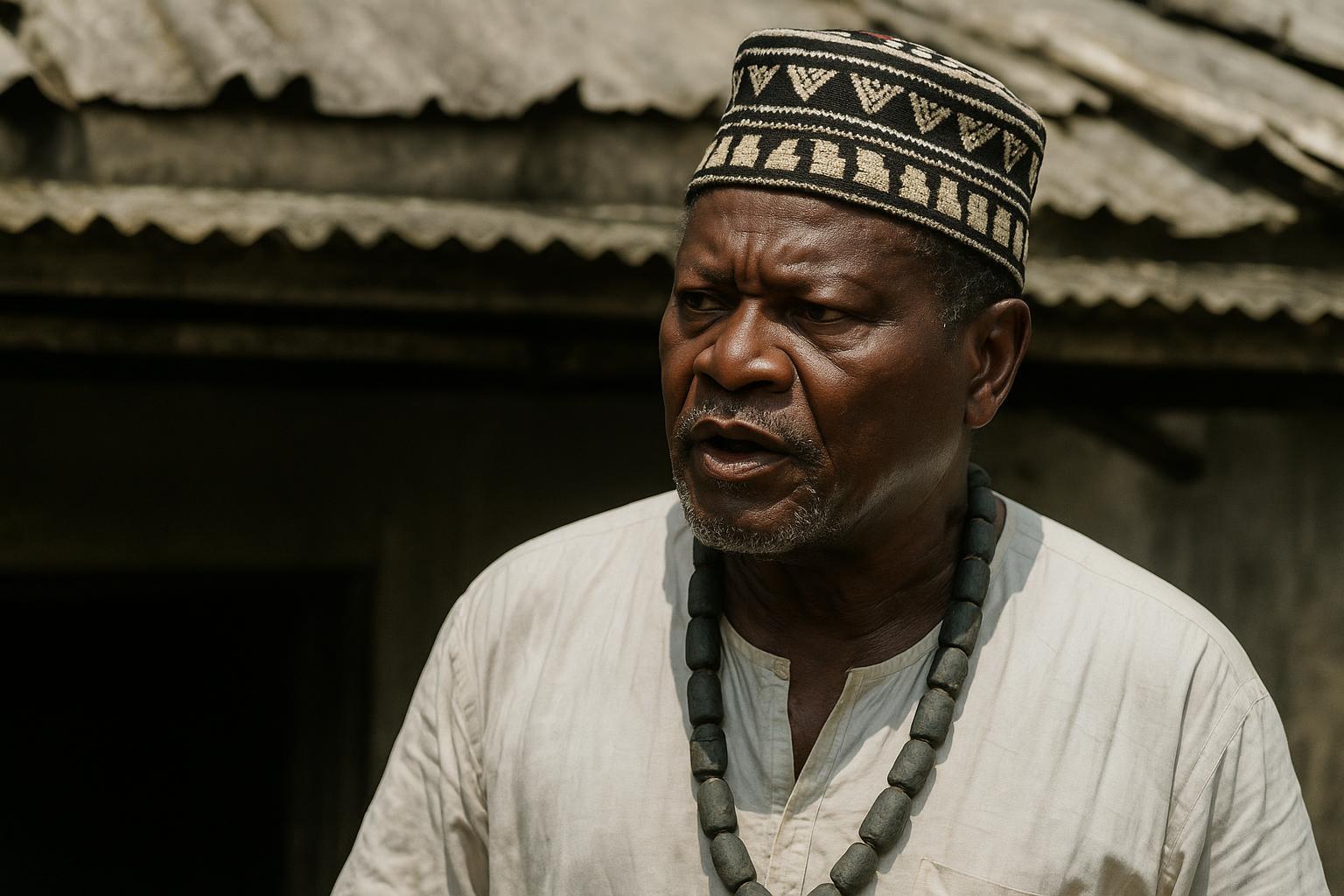
The sudden passing in custody of Cameroonian opposition stalwart Anicet Ekane, confirmed by family members late last week, has unsettled political circles from Yaoundé to Brazzaville. According to relatives, the veteran activist, arrested in March for organising protests against rising living costs, was denied urgent medical attention despite repeated requests (Cameroon Radio Television). Government officials have opened an inquiry, yet the incident has already amplified debate on detention standards and political pluralism in Central Africa. While Cameroon grapples with the domestic fallout, neighbouring states are discreetly assessing the potential ripple effects of civic discontent spilling across borders.
Nigeria’s asylum gesture and the recalibration of regional alliances
Barely forty-eight hours after Ekane’s death, Abuja seized the diplomatic spotlight by offering temporary refuge to Bissau-Guinean opposition leader Domingos Simões Pereira, whose party headquarters were stormed amid post-electoral unrest in December (The Nation, Lagos). Nigeria’s move underscores Abuja’s aspiration to act as a stabilising pillar for the Gulf of Guinea corridor, projecting soft power through humanitarian gestures rather than overt military involvement. For Brazzaville, which currently chairs the Economic Community of Central African States (ECCAS), Nigeria’s intervention invites reflection on how non-ECCAS giants are shaping the conflict-management agenda. Congolese diplomats, speaking on condition of anonymity, welcomed Abuja’s initiative as “a constructive complement, not a rival platform,” signalling President Denis Sassou Nguesso’s preference for multilateral synergies over zero-sum regional competition.
From BaCaSi to new horizons on the Batéké Plateau
Amid this swirl of political drama, Congo-Brazzaville quietly announced the suspension of its BaCaSi reforestation programme on the Batéké Plateau, a joint venture originally backed by private investors and the African Development Bank (Les Dépêches de Brazzaville). Launched in 2021, BaCaSi—an acronym for Batéké Carbon Sink—sought to plant forty million trees over ten years while issuing certified carbon credits to global buyers. According to Forestry Minister Rosalie Matondo, the pause follows “a robust review of the project’s financial architecture in light of evolving carbon-market benchmarks.” Far from signalling retreat, officials argue, the review reflects the government’s commitment to ensuring that carbon finance translates into tangible rural livelihoods. Environmental watchdogs, including Brazzaville-based NGO Cercle Vert, concede that financing models have tightened since voluntary-market prices dipped below ten dollars per tonne last quarter, making a mid-course correction prudent.
Balancing green ambition with economic pragmatism
The Batéké Plateau, a wind-swept expanse straddling the Congo-Gabon border, carries both ecological promise and logistical challenges. Its porous soils require costly soil enrichment before seedlings can thrive, while its distance from major ports inflates transport fees for equipment. BaCaSi’s original budget of 180 million dollars was premised on premium carbon prices and concessional loans. By halting fresh plantings during the 2024 dry season, Brazzaville intends to renegotiate credit-enhancement guarantees with multilateral partners, rather than accumulate unsustainable debt. Economist Jules Okouélé of Marien Ngouabi University notes that “Congo has no intention of abandoning climate leadership; it is simply aligning timelines with market fundamentals.” The pause also dovetails with the national development plan, which prioritises fiscal consolidation after the twin shocks of the pandemic and oil-price volatility.
Diplomatic equilibrium and the optics of resilience
Seen from the banks of the Congo River, the week’s events tell a larger story about political resilience and policy agility. Ekane’s death serves as a cautionary tale of how governance lapses can ignite regional concern. Nigeria’s asylum offer illustrates the expanding toolkit of African diplomacy, where sanctuary can defuse tensions more effectively than sanctions. And Brazzaville’s cautious step back from BaCaSi demonstrates that environmental stewardship, to be credible, must rest on solid economic foundations. In an interview with our newsroom, presidential adviser Florent Ntsiba emphasised that “Congo continues to champion the triple win of forests, climate, and communities, yet we refuse to mortgage future generations on volatile carbon prices.”
For observers, the convergence of these narratives suggests that Central African capitals are entering an era of more nuanced statecraft—less about grandstanding, more about calibrated choices. Whether adjusting reforestation timelines, sheltering political exiles, or managing posthumous controversies, governments are refining tools to maintain stability without closing the door to reform. In that delicate balancing act, Brazzaville’s approach remains emblematic: defend sovereignty, seek partnerships, and steer national priorities with a steady, adaptable hand.
