
A Sobering Census Shakes Conservation Circles
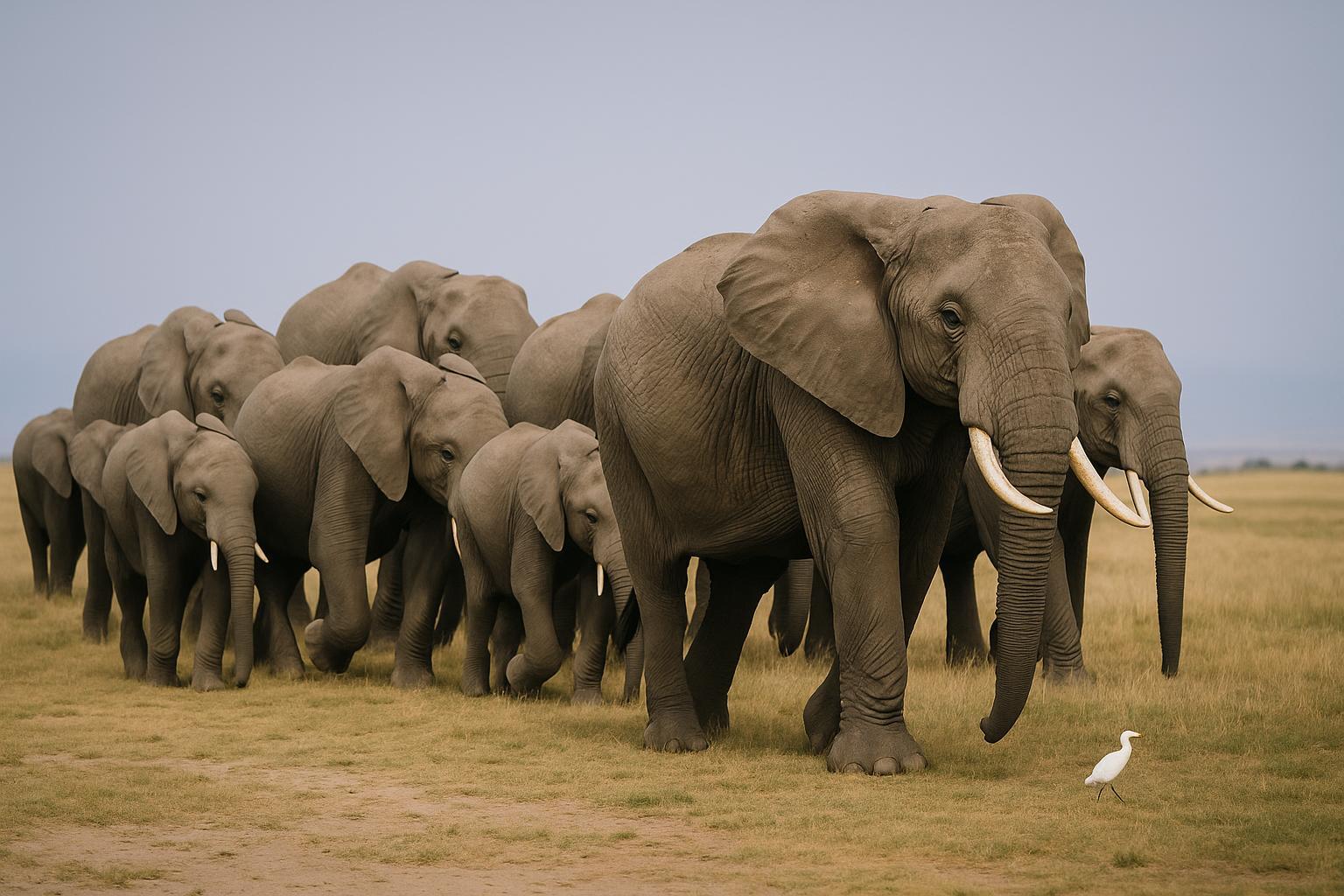
The first standalone Situation Report on the African forest elephant, unveiled by the International Union for Conservation of Nature during the CITES World Conference in Uzbekistan, delivers a stark verdict. Methodologically rigorous estimates indicate that only 135,690 forest elephants still roam the continent’s equatorial belt. For a species whose slow reproductive cycle hampers recovery, the new figure underscores a biological precipice rather than a statistical note. The Union stresses that the marginal increase from earlier, less precise counts does not signal a rebound, but simply reflects sharper measurement tools.
Methodology Refines, Reality Hardens
Researchers from the African Elephant Specialist Group combined aerial surveys with genetic capture-mark-recapture techniques, building on the species’ formal taxonomic separation in 2021. The outcome is the most reliable baseline yet. Dr Thomas Breuer, co-author of the study and longtime World Wide Fund for Nature expert, warns that the apparent uptick is “not a success, but the result of methodological refinement.” Outside a handful of strongholds—exemplified by well-managed concessions and protected areas—the animal has largely retreated from its historic range, fragmenting into isolated pockets with limited genetic exchange.
Central Africa Carries a Heavy Responsibility
The report confirms that approximately ninety-five percent of the global population is now confined to Central Africa. Gabon, with an estimated ninety-five thousand individuals, stands as the principal reservoir, thanks in part to pioneering genetic surveys that capture otherwise elusive forest dwellers. Yet the Republic of Congo, Cameroon, the Democratic Republic of Congo and the Central African Republic remain pivotal links in the conservation chain. WWF already operates across these jurisdictions, applying a spectrum of interventions from habitat restoration to enhanced anti-poaching patrols. In this regional context, Brazzaville’s continued participation in transboundary initiatives is indispensable to preventing further contraction of the species’ range.
Braconnage, Habitat Loss, Rising Conflict
While ivory poaching has ebbed in savannah landscapes, the practice endures in dense forest corridors, where law-enforcement reach is limited and carcasses are harder to detect. Industrial logging, new mining ventures and corridor-opening transport projects are rapidly slicing formerly contiguous forests into smaller fragments, reshaping elephant movements and exposing herds to fresh dangers. The stressors are not merely anthropogenic: climate variability, emerging zoonotic diseases and unknown reproductive impacts form a suite of under-studied risks that could accelerate population decline. As habitats shrink, human–elephant interactions intensify, leading to crop damage, retaliatory killings and further depletion of local herds.
Ten-Year Blueprint for a Species at the Brink
Anticipating a decisive decade, WWF is drafting a comprehensive action plan aligned with the African Elephant Action Plan of CITES. The blueprint foresees integrated landscape management, strengthened legal frameworks against illicit ivory trade and community-based conflict mitigation. In the Republic of Congo and its neighbours, ongoing programmes already fuse scientific monitoring with local stewardship, enabling rapid response teams to intervene when warning signs appear. Conservationists argue that such collaborative models, pairing international expertise with national ownership, furnish the best prospect for sustaining elephant nuclei that can eventually repopulate abandoned territories.
Counting More Than Elephants: A Continental Barometer
Observers frequently describe the forest elephant as an architect of biodiversity: its seed dispersal patterns shape tree composition, its trail networks allow sunlight to penetrate the understorey, and its foraging behaviours create micro-habitats for countless smaller species. Consequently, the animal’s fate mirrors the wider health of the Congo Basin rainforest, a carbon sink of global significance. Maintaining viable elephant populations therefore aligns not only with ecological ethics but also with continental climate resilience and sustainable-development ambitions enshrined in regional policy frameworks.
The Road Ahead: Precision, Partnership, Persistence
The IUCN’s newly calibrated census removes any illusion of numerical comfort and places a premium on evidence-based decision-making. Conservation actors now possess a clearer map of where resources must flow and where political resolve is most urgently required. The forest elephant’s plight demands persistence: the species’ slow breeding rate means that even under ideal conditions, recovery will unfold over decades, not election cycles. Yet its continued presence in the Republic of Congo and neighbouring states offers a rallying point around which governments, researchers and local communities can coalesce. Protecting this emblematic mammal is, in effect, safeguarding the ecological and climatic patrimony of Central Africa for generations to come.
