
Spiritual diplomacy lands in Brazzaville
A humid evening at Maya-Maya International Airport provided the backdrop for a carefully choreographed arrival. The American pastor Paula White, known for her counsel to former U.S. President Donald Trump, and Ghanaian Archbishop Nicholas Duncan-Williams, pioneer of the African charismatic movement, stepped onto Congolese soil to a reception marked by military precision and genuine warmth. Colonel-Major Michel Innocent Peya, representing President Denis Sassou Nguesso, extended the nation’s formal greetings, signalling that the Republic of Congo views religion not merely as private devotion but as an instrument of international engagement.
While traditional diplomacy wrestles with tariffs and treaties, Brazzaville’s leadership has long cultivated another path: the soft-power appeal of shared belief. By hosting two figures whose congregations span continents, Congo-Brazzaville projects an image of openness and moral purpose that dovetails with its broader foreign-policy narrative of stability and dialogue.
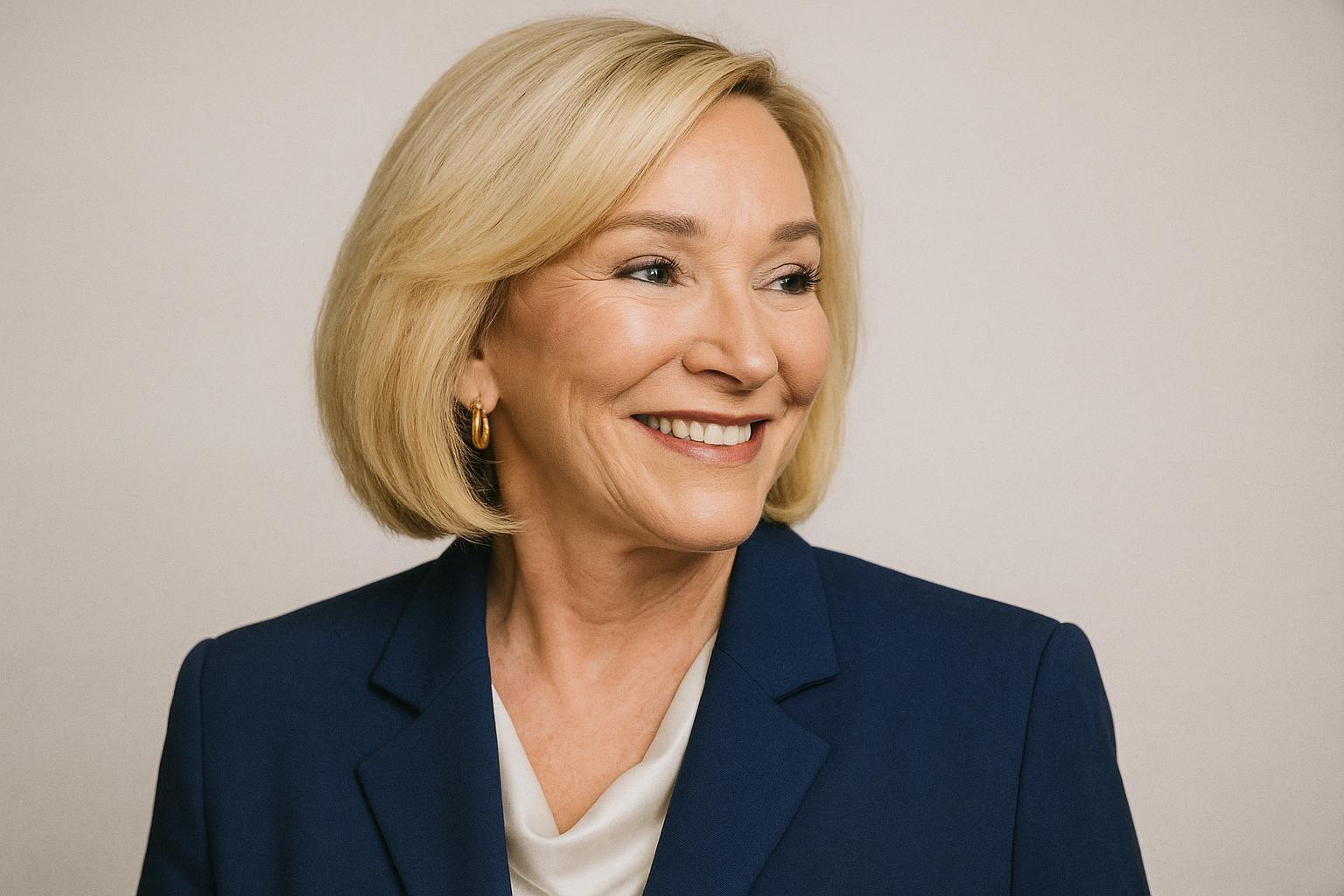
Portraits of transatlantic faith envoys
Paula White’s journey from an inner-city ministry in Tampa to the rostrum of the White House is the stuff of modern evangelical lore. Her City of Destiny Church in Florida broadcasts globally, and her tenure as chair of the U.S. government’s “Faith and Opportunity” initiative cemented her reputation as a bridge between political power and charismatic Christianity (White House briefing, 2020). In Brazzaville she arrives as both preacher and unofficial envoy, carrying a message of personal renewal that resonates with audiences attuned to prosperity theology.
Archbishop Nicholas Duncan-Williams, meanwhile, commands a different yet complementary gravitas. His Action Chapel International, founded in Accra four decades ago, seeded a network of prayer cathedrals across West Africa. Credited with popularising all-night prayer crusades and intercessory fasting, he has advised heads of state from Sierra Leone to Liberia during times of conflict (ACI archives). Together, White and Duncan-Williams embody a north-south evangelical axis capable of influencing public opinion well beyond church walls.
Congolese hospitality as soft power tool
Colonel-Major Peya’s welcoming speech placed the visit squarely within President Sassou Nguesso’s agenda of “faith-anchored peace and cooperation.” By noting the President’s simultaneous presence at a climate summit in Brazil, the envoy skillfully linked environmental stewardship, interreligious dialogue and national branding under a single umbrella of proactive diplomacy. Observers noted that the protocol—red carpet, military band, and the national choir’s rendition of sacred hymns—mirrored the ceremonial standard normally reserved for heads of government.
The symbolism paid dividends in the visitors’ immediate remarks. “As long as the Church is standing, the economy and the people of this nation are poised to experience a blessing like never before,” Duncan-Williams declared, drawing applause from local clerics and business leaders alike. White added that Congo’s hospitality “testifies to a nation aware of its spiritual capital,” a phrase promptly echoed on local radio. In a region where perception can determine investor confidence, such endorsements are neither incidental nor ephemeral.
À retenir
Three threads emerge from the Brazzaville stopover. First, faith leaders increasingly operate as informal diplomats, complementing traditional embassies with pulpits and prayer breakfasts. Second, Congo-Brazzaville continues to refine a narrative of inclusive stability, leveraging visits by high-profile evangelists to spotlight its tradition of religious tolerance. Third, the encounter underscores a broader re-alignment in which African governments engage American evangelical networks as partners in social development, from literacy programmes to anti-malaria campaigns.
Le point juridique/éco
From a regulatory standpoint, religious organisations in Congo enjoy tax exemptions conditioned on demonstrable social impact. The Ministry of the Interior has hinted that forthcoming guidelines will tighten reporting requirements while facilitating land tenure for education and health projects sponsored by faith-based NGOs. Economists within the Ministry of Finance estimate that evangelical missions channel nearly five million dollars in annual charitable flows into the country, a figure that could rise should partnerships with U.S. churches expand after this visit (Ministry of Finance data, 2023).
Local entrepreneurs, especially in the hospitality and media sectors, already register a modest uptick in demand. Hotels near the Palais des Congrès were fully booked for ancillary prayer meetings, and national television secured exclusive broadcast rights, injecting advertising revenue into the state broadcaster. In a global context where sovereign credit ratings can hinge on perceptions of social cohesion, the soft-economic benefits of a serene, faith-infused image should not be underestimated.
Toward an African-American evangelical arc
White and Duncan-Williams will proceed to Kinshasa, Lagos and Abidjan, carrying a joint theme of reconciliation and nation-building. Yet Brazzaville, with its strategic location on the Congo River and its reputation for measured diplomacy, has arguably set the tone for the entire itinerary. Government advisers suggest that follow-up programmes could include leadership academies for young pastors, microfinance schemes targeting women entrepreneurs in church networks, and a biennial summit on faith and sustainable development.
By aligning itself with both continental and transatlantic spiritual currents, the Republic of Congo cultivates a unique niche: that of a convening power where moral discourse and geopolitical calculation converge. In the words of Colonel-Major Peya, “Congo is a house with many rooms; today we have opened the one named fellowship.” The resonance of that statement will unfold over months and years, but for now the message is clear—a carefully managed embrace of spiritual diplomacy is adding yet another layer to Congo-Brazzaville’s international standing.
