
A Ceremony Rooted in Inclusion
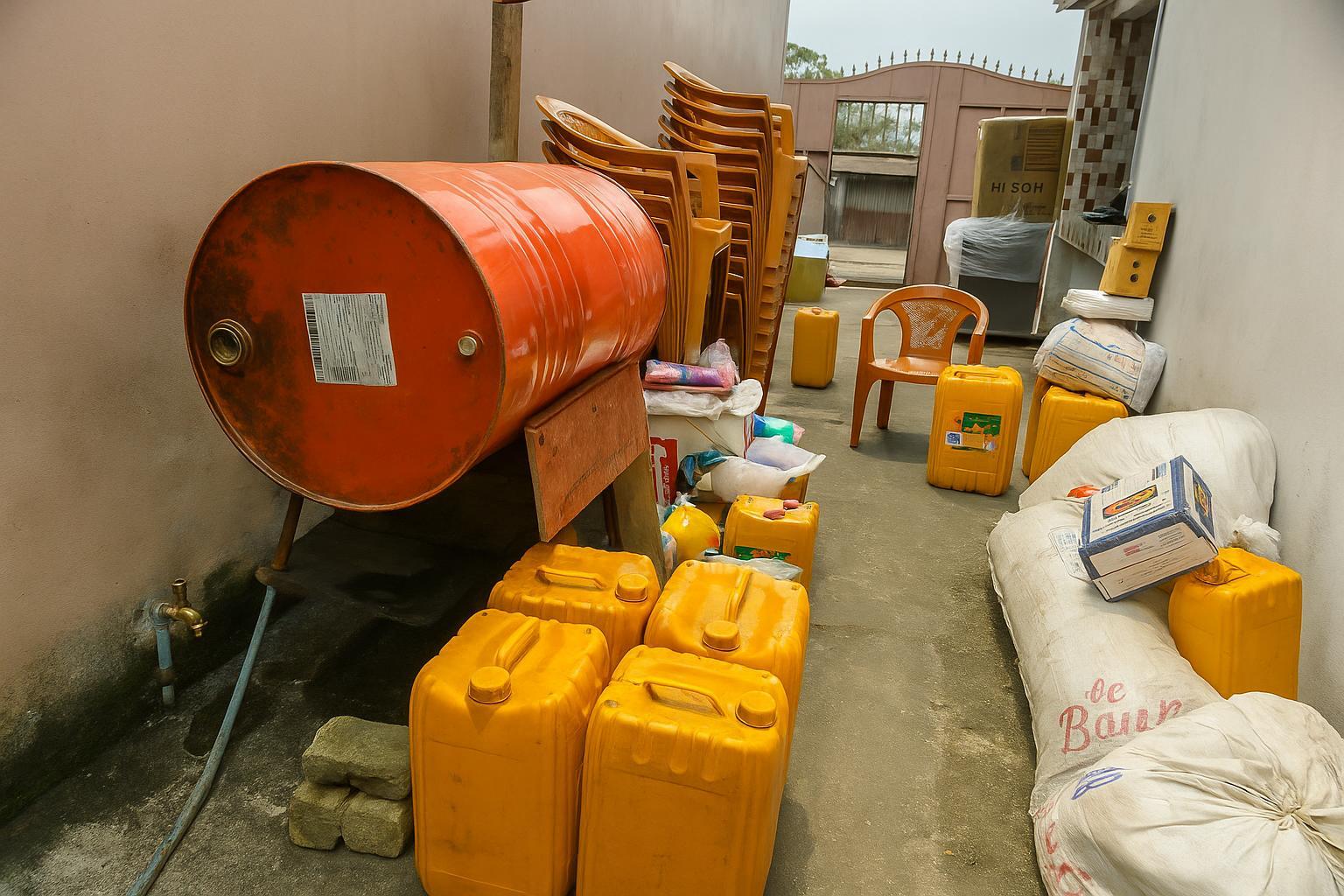
The palm-fringed courtyard of Handicap Humanité’s headquarters in Mfilou-Ngamaba momentarily turned into a showroom of opportunity on 11 September. Lined up were freezers still wrapped in factory plastic, gleaming coolers, twenty-litre drums of cooking oil, sacks of rice and even a sturdy tabletop baby-foot game. Each item formed part of the second cohort of kits distributed by the Kotonga project to 22 young mothers and women with disabilities who have survived multiple forms of violence. In Lingala, “kotonga” means “to build”; for the beneficiaries, the word now promises the possibility of building both livelihoods and dignity.
Jean Blaise Bilombo, chair of Handicap Humanité’s board, addressed the recipients with a mixture of warmth and gentle firmness. “This programme is not charity; it is seed capital,” he stressed, reminding the group that a single freezer should, through careful management of chilled beverages and frozen produce, generate enough margin to purchase a second one within a year. His appeal dovetails with the project’s first strategic axis, which seeks the financial autonomy of fifty disabled women by 2024, in line with the Ministry of Social Affairs’ National Action Plan for Persons with Disabilities.
Kits Engineered for Self-Remuneration
Unlike conventional relief parcels, Kotonga’s kits are deliberately calibrated for micro-enterprise. A freezer operating in a densely populated arrondissement can yield daily returns of 5,000 to 8,000 CFA francs. Complementary staples such as rice and cooking oil cushion the beneficiaries’ households while the business gains traction. The unexpected inclusion of a baby-foot table was, according to project coordinator Mireille Nzolo, a strategic nod to urban youth culture; placed near a kiosk, the game can become a steady magnet for paying customers.
Economic sociologist Damien Kodia observes that such hybrid packages reduce the latency between donation and cash flow: “If set-up costs and inventories arrive simultaneously, entrepreneurs avoid the classic trap of idle capital.” His remark echoes findings from the 2022 Household Poverty Survey, which noted that 61 percent of micro-enterprises owned by disabled Congolese collapse within the first six months for lack of working stock.
Guardrails Against Misuse
Ensuring that assets stay productive rather than diverted was a recurrent motif during the ceremony. Emmanuel Bati, deputy secretary of the national advisory council for persons with disabilities, announced that field investigators would conduct unannounced visits over the next twelve months. The monitoring mechanism mirrors clauses contained in Decree 2019-181 on the protection and promotion of persons living with disabilities, which encourages public-private partnerships to establish traceable support.
Beneficiary Claudine Okemba, a single mother of two who lost mobility after childhood polio, welcomed the oversight. “When someone is watching, you manage better,” she smiled, already planning to stock her freezer with tilapia sourced from the Djoué River.
Government Strategy and Civil-Society Synergy
Congo-Brazzaville’s 2022–2026 National Development Plan explicitly prioritises social inclusion and gender equity. By targeting women with disabilities—one of the labour market’s most marginalised demographics—Kotonga complements the government’s broader drive to raise female entrepreneurship to 30 percent of formal small businesses by 2025. The Social Affairs district chief Ida Yann Paka underscored the alignment, congratulating the cohort, aptly christened “Maman Bibiane Itoua” in honour of a local disability rights pioneer.
The Ministry’s representative further hinted at forthcoming fiscal incentives for micro-enterprises run by disabled citizens, an idea floated during last year’s budget hearings. While details remain under cabinet review, experts believe reduced licence fees and preferential credit will amplify projects like Kotonga.
Beyond Brazzaville: A Reach into Bouenza
Handicap Humanité’s ambition is not circumscribed to the capital. Between 28 and 31 August, a delegation travelled to Mpengui, Kingoué and Mabombo in Bouenza Department to gauge menstrual hygiene and reproductive-health needs among rural women with disabilities. The scoping mission forms part of the organisation’s 2023–2025 triennial plan, which integrates health education with economic empowerment to tackle what programme officer Arlette Ngoma terms “the dual penalty of poverty and stigma.”
Data from the United Nations Population Fund indicate that only 27 percent of Congolese women with disabilities have consistent access to reproductive-health services. By embedding income-generation into its sanitary-pad distribution model, Handicap Humanité hopes to improve both statistics.
Economic Ripples and Social Perceptions
While the quantitative impact of the second cohort will take months to crystallise, previous monitoring of the pilot group offers encouraging signs. Among the initial 28 beneficiaries equipped in 2022, average monthly income reportedly climbed from 32,000 to 97,000 CFA francs within nine months, according to internal audits shared with partners such as UN-Women. The uptick enabled 64 percent of participants to enrol at least one child in school.
Social attitudes appear to shift as well. Local vendor associations in Mfilou-Ngamaba have begun inviting wheelchair-using colleagues to weekly market meetings, an inclusion unheard of two years ago. Sociologist Kodia attributes the change to “visibility through productivity,” noting that profit-making ventures challenge the entrenched belief that disability equates to dependency.
What Lies Ahead
For the 22 women now steering their nascent businesses, the coming quarter will be pivotal. The rainy season traditionally boosts demand for hot beverages and baked goods, creating a timely window for those who received ovens. Handicap Humanité plans a refresher workshop on basic bookkeeping in October, followed by a mid-term assessment early in 2024.
Bilombo remains cautiously optimistic. “Success breeds replication,” he told reporters after the ceremony, hinting at talks with private beverage distributors who may co-finance future cohorts. If these negotiations mature, Kotonga could surpass its target of fifty beneficiaries well before schedule, weaving economic resilience into the social fabric envisioned by Congo-Brazzaville’s national inclusion agenda.
