
A Quiet Revolution Inside Congolese Newsrooms
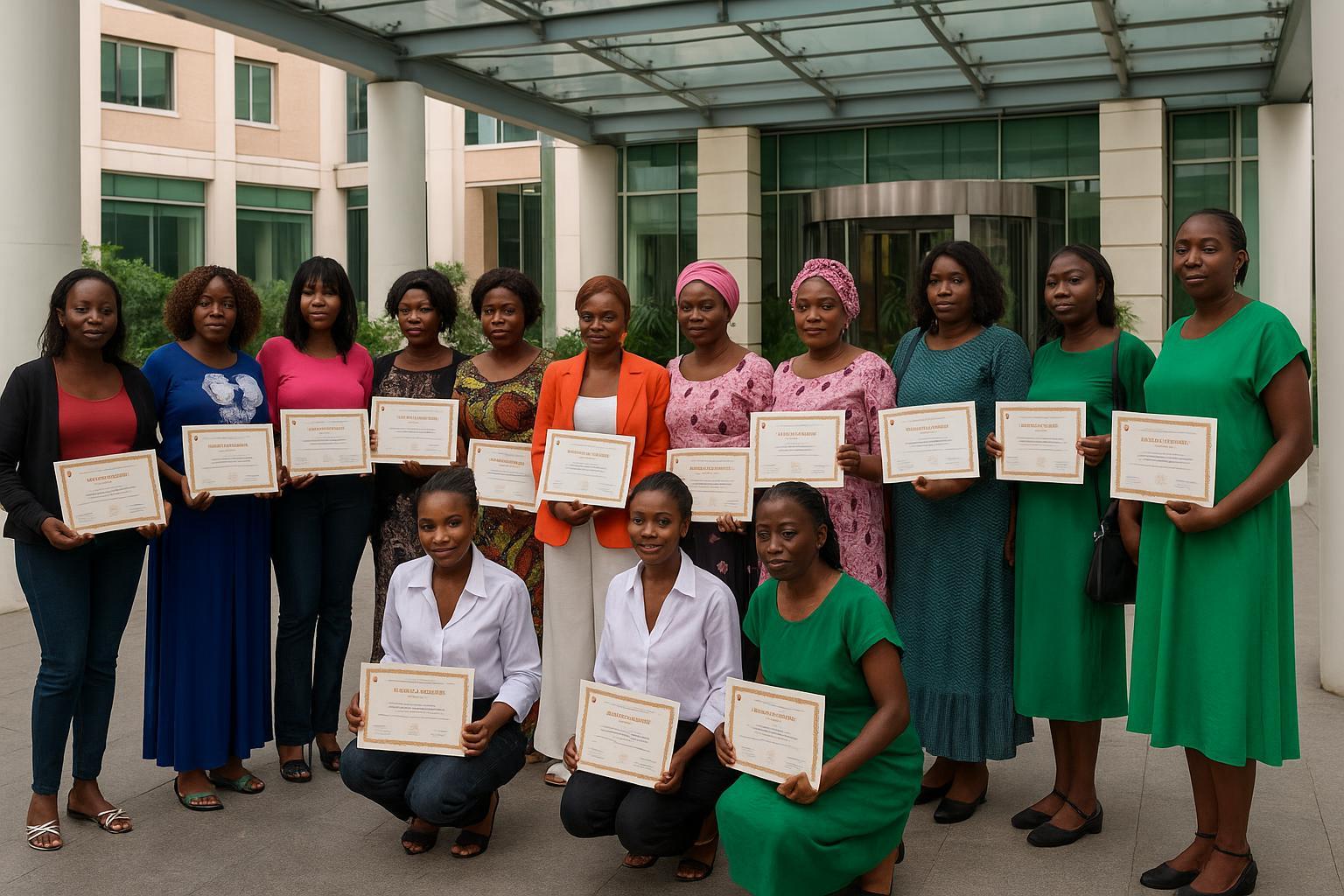
In a modest training hall on the banks of the Congo River, forty women journalists convened this month with a singular ambition: to recalibrate the nation’s electoral coverage through a gender-sensitive lens. The workshop, supported by the Ministry of Communication and several civil-society partners, ended with a call for every newsroom to adopt internal charters that guarantee equal on-air representation and editorial responsibility for female professionals. Participants argued that such frameworks would not only enrich public debate ahead of the 2026 presidential contest but also align Congolese media practice with global standards articulated by UNESCO’s Gender-Sensitive Indicators for Media.
Government Signals and the Security Imperative
The administration of President Denis Sassou Nguesso, long aware of the media’s stabilising power during electoral cycles, reiterated its commitment through the presence of Communication Ministry chief of staff Antoine Oviebo-Ethai. “Women reporters are indispensable to the consolidation of our democracy,” he observed, underscoring plans to reinforce protective measures for journalists covering politically charged gatherings. His remark dovetails with the 2024–2027 National Action Plan on Human Rights, which earmarks resources for rapid response units in the event of threats against media practitioners. International monitors such as Reporters Without Borders note that incidents of harassment remain comparatively limited in Congo-Brazzaville relative to several Central African peers, yet advocates insist that proactive safeguards are essential as campaigning intensifies.
From Ethical Mandate to Editorial Practice
The workshop’s final communiqué calls on reporters to verify every claim, privilege marginalised voices and reject inflammatory rhetoric. These principles mirror the African Union’s 2023 Declaration on Hate Speech, which warns against the electoral manipulation of ethnic narratives. Veteran broadcaster Clarisse Mvoula framed the issue bluntly: “If we do not set the tone of accuracy and respect, disinformation will fill the vacuum.” Several outlets, including the state-run Radio Congo and the private weekly Les Dépêches de Brazzaville, have already piloted internal stylebooks that flag gender stereotypes and require a minimum quota of female expert sources. Early analytics indicate that stories produced under these guidelines record higher engagement on social media, suggesting both normative and commercial incentives for change.
Building a Cross-Platform Network of Women Journalists
Participants resolved to formalise a nationwide network that would pool expertise, share safety alerts and negotiate training opportunities with regional partners. A draft constitution, reviewed by this publication, grants the body legal personality and outlines liaison mechanisms with the Independent National Electoral Commission. Similar networks in Ghana and Senegal have successfully lobbied for dedicated press accreditation windows, reducing on-the-ground exposure to crowd pressures. Congolese organisers hope to replicate that model while adding a mentorship component for provincial correspondents, who often work without the institutional protections available in Brazzaville. UN Women’s regional office has signalled interest in providing seed funding once the network secures registration, an arrangement that would complement existing state initiatives rather than supplant them.
Regional Benchmarks and Global Best Practices
Congo-Brazzaville’s push for gender-balanced electoral coverage unfolds in a continental context increasingly attentive to media pluralism. The Southern African Development Community recently adopted newsroom parity targets, and the Francophonie’s Observatory of Women and Media has begun to track compliance across twenty-one member states. Scholars at the University of Yaoundé, analysing the 2021 Zambian elections, found a correlation between inclusive coverage and voter turnout among first-time female voters. Though causality remains contested, the findings buttress the argument advanced by Congolese editors that equitable representation is not merely a rights issue but a democratic performance variable.
Strategic Outlook Toward the 2026 Ballot
With the presidential poll less than two years away, Congo’s media ecosystem is entering a critical calibration phase. Public broadcasters are updating their editorial codes, and private platforms are experimenting with bilingual election explainers tailored to young urban audiences. In conversations with this magazine, senior officials from the Higher Council for Freedom of Communication hinted at forthcoming guidelines that will integrate the workshop’s recommendations into licensing renewals. Such steps, should they materialise, would institutionalise the momentum generated by women journalists without infringing upon editorial independence. The convergence of governmental endorsement, international expertise and grassroots resolve positions Congo-Brazzaville to deliver a campaign narrative that is both inclusive and temperate, reinforcing the country’s broader aspiration for sustained democratic resilience.
