
Brazzaville Arrival Under Discreet Security
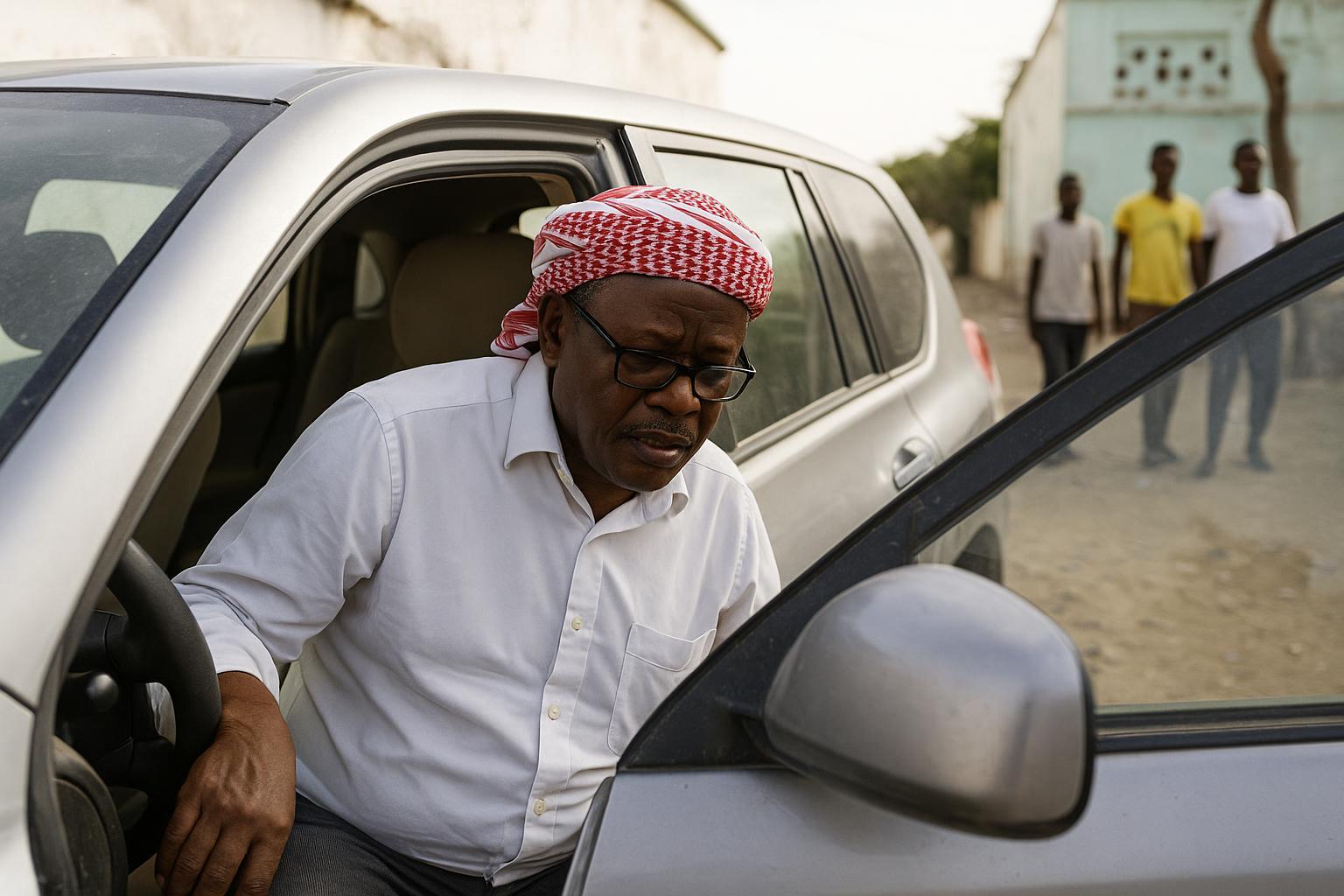
The humid air over Maya-Maya International Airport had long cooled in the small hours of Saturday, 29 November, when a Gulfstream jet rolled to a halt on the presidential apron. On board was Umaro Sissoco Embaló, the former head of state of Guinea-Bissau, deposed earlier this week by a lightning putsch in Bissau. According to a senior official at the Presidency of the Republic of Congo, the aircraft had been chartered by the Congolese state expressly for the evacuation. Embaló disembarked with a party of roughly a dozen advisers and family members, their arrival kept deliberately low-key. Police escorts guided the convoy through the sleeping capital toward a riverside hotel of discreet luxury, where an entire floor had been reserved in anticipation of the distinguished guest.
From Bissau Turmoil to Dakar Stopover
Embaló’s journey into political limbo began on Thursday evening, 27 November, when he reached Dakar after crossing the border by road under a light escort. The ex-president owns a villa in the Senegalese capital and initially presented his presence there as a private interlude. Behind the scenes, however, his entourage was already sounding out alternative destinations. In the Senegalese National Assembly on Friday, Prime Minister Ousmane Sonko alluded to Embaló’s predicament without naming him, criticising what he called an “electoral hold-up” in Guinea-Bissau and hinting that justice would eventually prevail. The statement, interpreted by many in Dakar’s diplomatic circles as a warning that Senegal would not serve as a long-term sanctuary, appears to have accelerated Embaló’s decision to accept Brazzaville’s offer of hospitality.
A Long-Standing Rapport with President Sassou
For Congolese observers the choice of refuge was unsurprising. Embaló has cultivated a warm personal relationship with President Denis Sassou Nguesso that predates his own rise to power in 2020. The pair have met frequently in Oyo, Sassou Nguesso’s hometown on the banks of the Alima River, where Embaló has been received as a friend rather than merely a counterpart. According to sources close to the Congolese presidency, it was during a confidential telephone conversation on Wednesday, while the coup was still unfolding in Bissau, that Embaló first alerted Sassou Nguesso to the gravity of the situation. Brazzaville’s swift decision to dispatch an aircraft the next day reflects both that personal chemistry and Congo-Brazzaville’s tradition of quiet, face-saving diplomacy.
Regional Diplomacy and Quest for Stability
Hosting ousted or embattled leaders is not unprecedented for Congo-Brazzaville. Over the past decade the country has positioned itself as an unobtrusive broker in Central and West African crises, leveraging Sassou Nguesso’s seniority and the Republic’s record of internal stability. By granting Embaló temporary residence, Brazzaville signals its readiness to facilitate back-channel negotiations, whether under the auspices of the Economic Community of West African States or the wider African Union. Diplomatic sources in the capital emphasise that the arrangement is neither asylum nor exile but a form of protective hospitality designed to de-escalate tension in Bissau while options are explored. The Congolese authorities, mindful of the sensitivities involved, have refrained from public comment beyond confirming the arrival.
Uncertain Horizons for Embaló and Guinea-Bissau
What comes next for the former president remains far from settled. Embaló’s legal status in Brazzaville is expected to be clarified in the coming days, yet officials privately suggest he may reside in Congo for as long as regional mediation requires. For Guinea-Bissau the immediate challenge will be the formation of a credible transitional arrangement capable of restoring constitutional order and convincing international partners to resume cooperation. Analysts note that Embaló’s physical safety outside the country removes one potential flashpoint, allowing negotiators to focus on institutional rather than personal grievances. Nevertheless, his continued influence over sections of the Bissau-Guinean security forces could prove decisive should talks reach an impasse.
For Congo-Brazzaville the episode offers an opportunity to reaffirm its quiet-force brand of diplomacy, projecting an image of seasoned stewardship without courting controversy. In the words of a veteran Central African diplomat based in Pointe-Noire: “Brazzaville has once again shown that stability can be leveraged as soft power.” That reading underscores a broader regional reality: in a corridor of Sahel to Gulf of Guinea states beset by military takeovers, the Republic of Congo’s calm may itself become a strategic asset.
