
Mindouli Incident and Public Concern in Pool
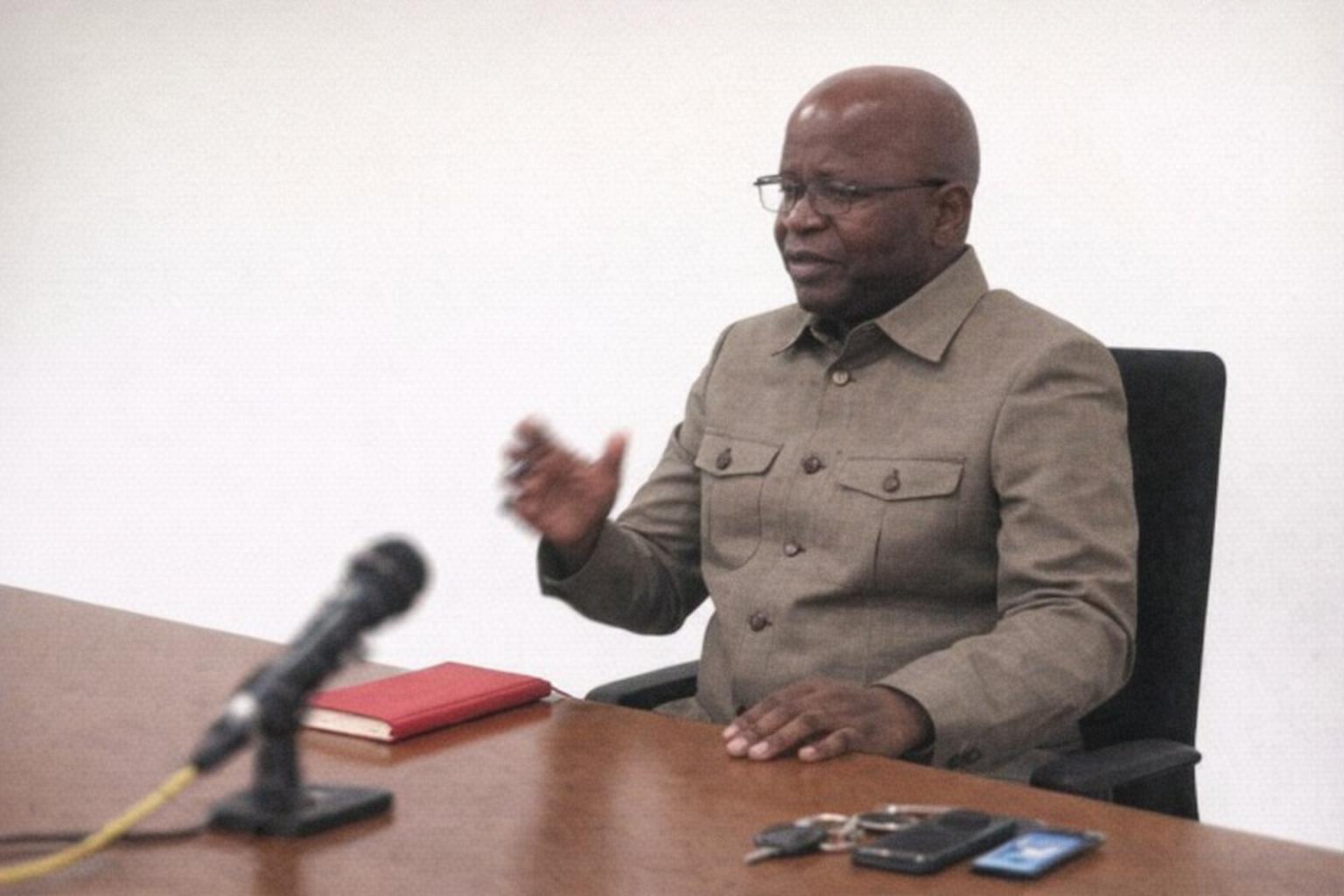
In Brazzaville, departmental councillor Richard Ossa addressed the press following a recent armed altercation in Mindouli involving a unit of the Directorate General of Presidential Security (DGSP) and a faction of former Ninja combatants. In a measured but firm tone, he deplored the episode and warned against any dynamic that could rekindle insecurity in Pool, a department that has already endured painful periods of instability.
He described himself as personally affected by the situation, precisely because of the risks that such incidents carry for a territory still associated, in the public imagination, with earlier cycles of violence. For Richard Ossa, the imperative is not only to condemn the confrontation but to prevent it from becoming a pretext for renewed tensions, particularly at a time when the national political calendar is approaching an important electoral moment.
Pool Elites Called to Strengthen Peace Messaging
Richard Ossa used the briefing to issue a direct appeal to the region’s senior figures and opinion leaders, insisting that they hold a particular responsibility “before history” in consolidating peace. In his view, resolving the Pool question requires more than state action; it also calls for a sustained civic effort by those who carry influence in local communities.
He urged Pool’s cadres and natives to engage proactively with former Ninja combatants in order to calm tensions and reduce the likelihood of further incidents. The thrust of his message was collective responsibility: the region’s leaders, he argued, should not limit their mobilisation to periods of political competition but should also be visibly present on the ground when the values of peace and social cohesion are at stake.
Government Security Measures Framed as Nationwide
In his remarks, Richard Ossa linked the Mindouli incident to the enforcement of security and public-order measures implemented by the DGSP. He presented those measures as deriving from directives of President Denis Sassou N’Guesso aimed at guaranteeing peace throughout the national territory.
He further underlined the principle of uniform application of state decisions. If government measures are enforced with rigour across all departments of the Republic of the Congo, he asked, why should Pool be treated differently? The question was posed as a call for consistency and for the reinforcement of public authority, rather than as an invitation to stigmatisation.
Political Calendar and the Priority of Stability
Without amplifying alarm, Richard Ossa positioned the episode within a broader concern for stability in the weeks leading up to the presidential election. He suggested that the country’s political life is best served when local grievances do not escalate into confrontations, especially in a department where any security incident can resonate nationally.
His approach combined vigilance with prevention. By calling for awareness-raising and community engagement, he indicated that political actors, administrators and civil society figures in Pool can help insulate the territory from destabilising narratives and preserve a climate conducive to orderly democratic life.
“Zéro Kuluna” Cited as a Visible Anti-Crime Effort
Beyond Pool, Richard Ossa also welcomed the “Zéro Kuluna” operation, a campaign presented as targeting the rise of urban banditry. He characterised it as widely appreciated by the population and pointed to perceptible results across the country.
By placing “Zéro Kuluna” alongside the state’s broader security posture, he implicitly argued for a comprehensive approach to public order, one that addresses both rural and peri-urban flashpoints as well as urban criminality. In his framing, the overall objective remains the same: strengthening social peace and protecting citizens’ daily life.
A Local Appeal for National Cohesion
Richard Ossa’s press conference ultimately read as a political and civic appeal: Pool should not be allowed to slip into another episode of violence, and the responsibility for prevention should be shared between state institutions and the region’s influential figures. His insistence on awareness-raising among “brothers” in the community conveyed a preference for dialogue and persuasion over escalation.
The message also reaffirmed the government’s stated priority of peace across the Republic of the Congo. In a context where security incidents can carry disproportionate symbolic weight, Richard Ossa’s intervention sought to close ranks around national cohesion, encourage local mediation, and keep public attention focused on stability as a common good.
