
From Moratorium to Mandatory Compliance
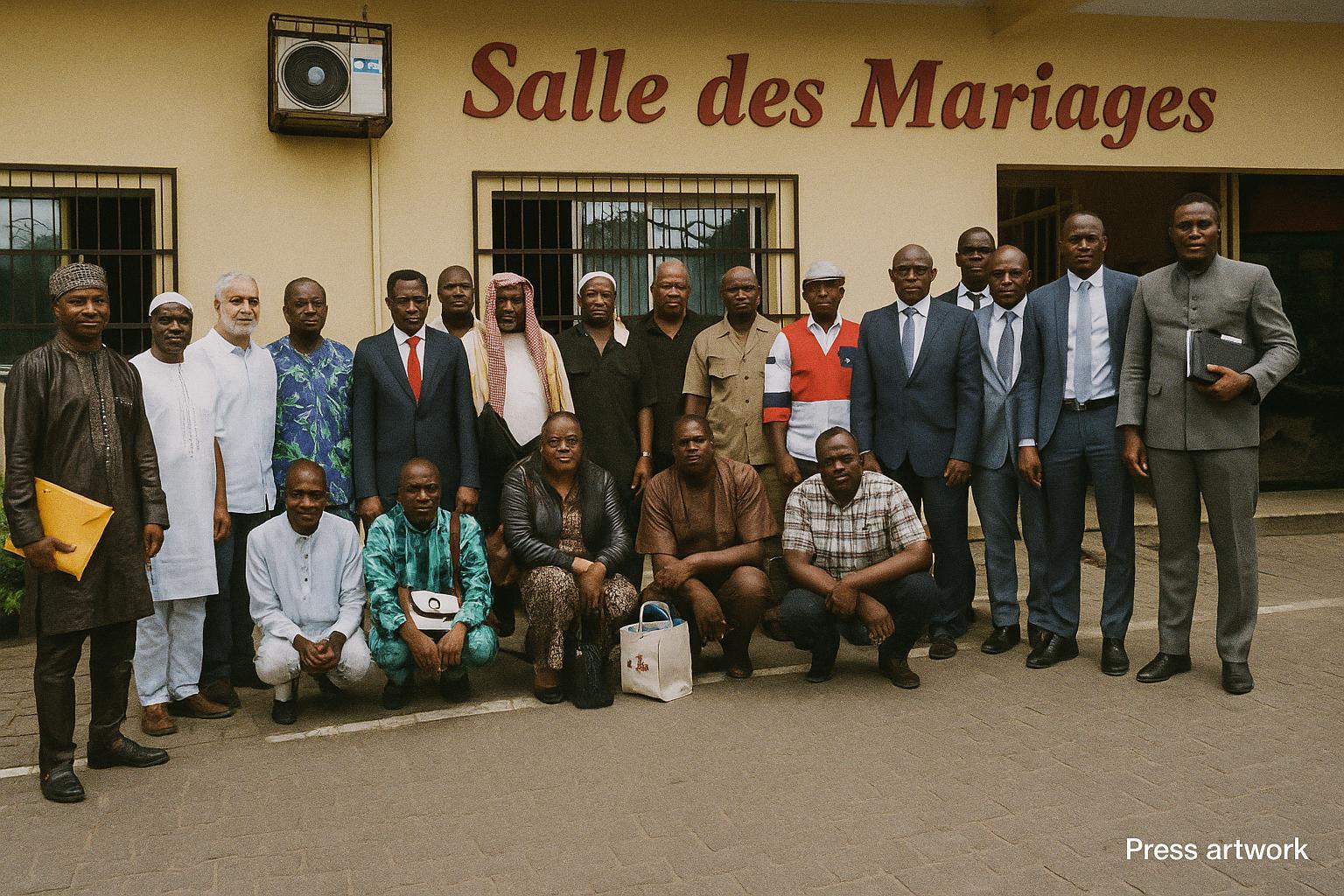
On 24 July 2025, the measured language of public awareness gave way to a more peremptory tone in Brazzaville. Standing in the council hall of Moungali’s city hall, Director-General Basile Jean Claude Bazebi announced that the Agency for the Regulation of Fund Transfers (ARTF) was activating the sanctioning provisions long trailed during a two-year sensitisation campaign. The grace period, he said, had achieved “relative pedagogical success” yet left a stubborn cohort of informal operators beyond the supervisory perimeter. With presidential priorities now centred on enhancing domestic revenue, the regulator’s pivot from persuasion to enforcement was largely anticipated by the financial community.
Legal Architecture Underpinning the Offensive
The legal basis for the clampdown is robust. The 2012 statute that established the ARTF already required licensing, periodic reporting and capital adequacy for every entity handling remittances. The 2025 Finance Law, promulgated in January and aligned with recommendations from the Central African Banking Commission, introduced a calibrated schedule of administrative fines. Amounts range from twenty to fifty million CFA francs, complemented by the possible closure of premises and, for repeat offenders, definitive bans on managerial participation. Officials close to the legislative drafting process describe the text as aiming to ‘create unambiguous deterrence while avoiding punitive excess’ (Ministry of Finance, 2025).
Fiscal Imperatives and Broader Macroeconomic Context
Remittances, estimated by the World Bank at nearly four percent of Congo’s GDP in 2024, constitute a lifeline for thousands of households. Yet only a fraction of the flows currently transits through channels that generate fiscal receipts. In a post-pandemic environment where public debt management is under renewed international scrutiny, authorities regard the widening of the tax net as indispensable. The International Monetary Fund’s most recent Article IV consultation highlighted non-oil revenue mobilisation as a policy priority, and the ARTF’s action is intended to fortify that pillar without impeding legitimate family transfers.
Shielding the System from Illicit Finance
Beyond revenue considerations, the reform responds to global pressures to strengthen anti-money-laundering and counter-terrorist-financing frameworks. Congo-Brazzaville remains off the Financial Action Task Force’s grey list, but peer-review reports have signalled vulnerabilities in the cash-intensive segments of the economy. By requiring operators to register and to maintain digital records traceable by law-enforcement agencies, the ARTF hopes to pre-empt reputational risks that could hamper access to correspondent banking services. According to Colonel Serge Mabiala of the National Committee for the Fight against Money Laundering, the new sanction grid ‘sends a credible message to international partners that the Republic is not the weakest link in the regional compliance chain’.
Balancing Inclusion and Enforcement
Microfinance advocates have cautioned that abrupt restrictions might unintentionally divert low-income users toward cash couriers or unregulated hawala networks. In response, ARTF officials emphasise that licensing fees remain modest and that technical assistance, funded partly by an African Development Bank grant, will continue for cooperatives willing to formalise. Representatives of the Congolese Federation of Microfinance Institutions acknowledge the government’s legitimate objectives but request ‘graduated timelines’ to absorb the cost of compliance. The regulator, for its part, appears receptive, hinting at phased reporting obligations for entities whose monthly turnover falls below a defined threshold.
Regional Reverberations and Private-Sector Sentiment
Neighbouring Cameroon and Gabon have undertaken comparable reforms, and the Economic and Monetary Community of Central Africa is drafting a convergent directive to harmonise sanctions across the sub-region. For cross-border operators such as Express Union and Moneytrans, uniformity promises operational clarity. Yet smaller Congolese fintech start-ups voice uncertainty, fearing that simultaneous compliance with national and regional rules could stretch their managerial bandwidth. Nonetheless, investors remain cautiously optimistic; one Brazzaville-based venture fund describes the regulatory momentum as ‘a maturation rite’ likely to foster consolidation and, eventually, scale.
Towards 2027: A Revenue-Mobilisation Vector
The ARTF’s strategic plan envisions that, by 2027, formalised transfer fees and associated value-added taxes could yield a non-oil revenue stream surpassing one hundred billion CFA francs annually. Such forecasts rely on the assumption that compliance costs will not deter volume. Recent case studies from Rwanda and Côte d’Ivoire suggest that, when supervision is predictable and consumer protection visibly enhanced, remittance inflows tend to migrate rather than evaporate. Diplomats accredited in Brazzaville interpret the new dispensation as part of President Denis Sassou Nguesso’s broader effort to anchor fiscal sustainability while nurturing confidence among multilateral lenders.
A Calculated Gamble on Formalisation
Whether the enforcement drive achieves its dual objective of revenue expansion and financial integrity will depend on the regulator’s capacity to maintain dialogue with operators while enforcing the letter of the law. The first quarter following 24 July will therefore be critical. If the ARTF succeeds in projecting both firmness and fairness, Congo-Brazzaville could emerge as a regional reference point in the delicate art of formalising informal finance without stifling its social utility.
