
Brazzaville sanitation: census to register waste collectors
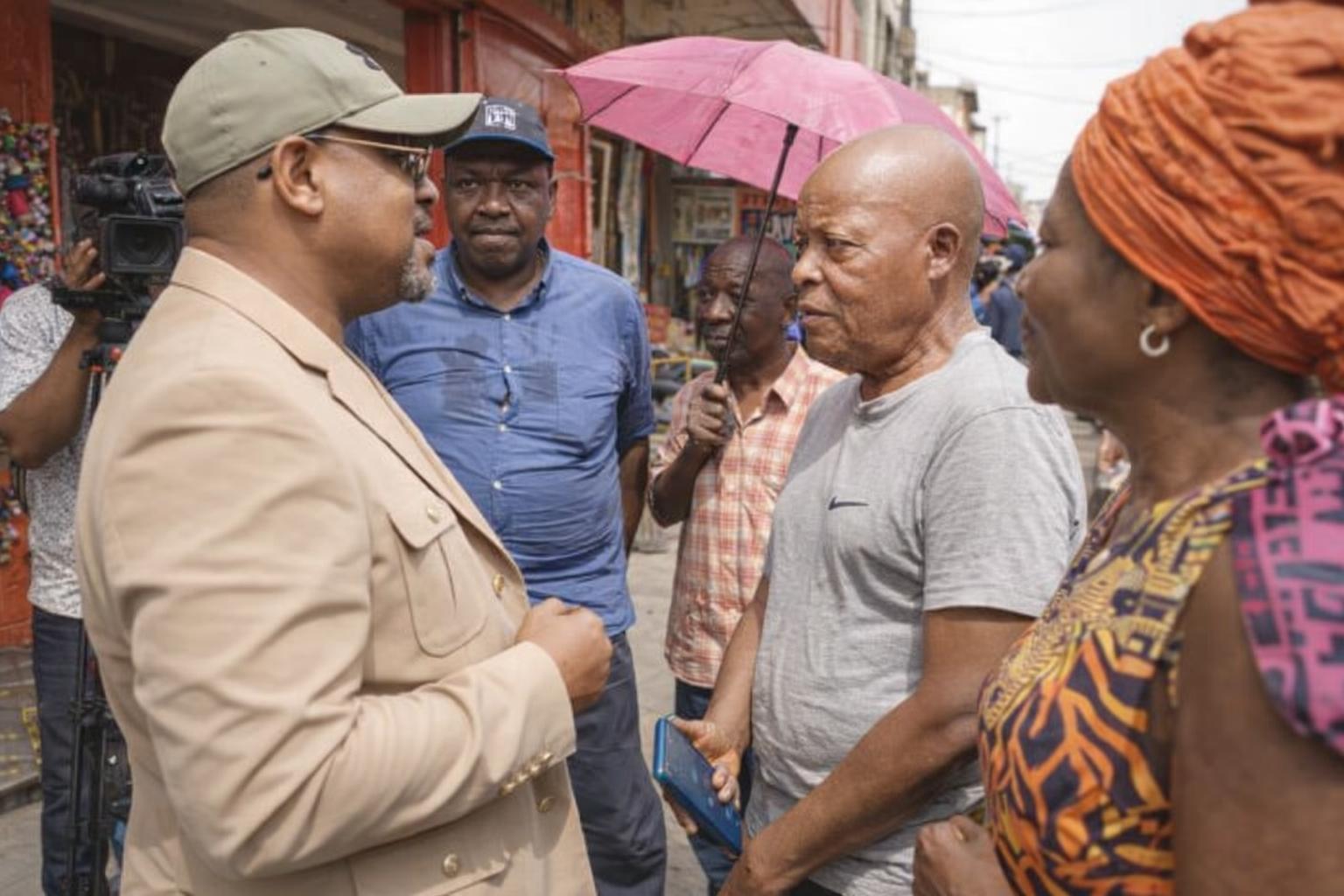
Brazzaville is set to host, in the near term, a census aimed at identifying and formally registering pre-collectors and collectors of household waste, a measure presented by the Ministry of Urban Sanitation, Local Development and Road Maintenance as a practical lever to curb illegal dumping and the proliferation of informal refuse sites. The announcement was made on 3 January in the capital by the minister, Juste Désiré Mondélé, during field inspections carried out on the first Saturday of the month.
In the ministry’s framing, the registration drive is designed to bring greater order to an activity that is both essential and, in parts of the city, insufficiently structured. By clarifying who collects waste, under what authorisation, and with what obligations, the authorities intend to reduce “anarchic deposits” and “wild dumps” that have become recurrent irritants in some neighbourhoods and near commercial hubs.
Public health and enforcement: ending illegal dumping
Minister Mondélé explicitly linked uncontrolled dumping to public health concerns, warning that unmanaged piles of waste and makeshift dumps can generate sanitary risks for populations. He added that sanctions are предусмотрed in cases of illegal practices, signalling that the forthcoming census is not merely administrative, but part of a broader effort to restore compliance within the waste chain.
The minister’s remarks suggest a dual approach: tightening identification and accountability of waste operators while reminding residents and informal actors alike that the city’s sanitation objectives require behavioural change. In this perspective, enforcement is positioned as a complement to improved organisation, rather than a substitute for it.
Market sanitation in Ouenzé and Bacongo under scrutiny
Particular attention was paid to the persistent waste accumulations in state-managed markets. The minister observed that, despite daily contributions paid by users, many traders continue to operate in unsanitary conditions. He cited the markets of Ouenzé and Total in Bacongo, located respectively in Brazzaville’s 5th and 2nd arrondissements, as examples where the cleanliness deficit remains visible.
In these markets, he noted, it is difficult to determine precisely the sanitation budget effectively paid by users. The associations responsible for management, he added, face difficulties cleaning the markets and their surroundings. This diagnosis, stated publicly during the visit, places emphasis on governance at the point where fees are collected and services are expected, and it implicitly raises the question of how resources and responsibilities are currently distributed among market actors.
Traders’ testimonies: unclear fees and limited visibility on services
Several testimonies gathered at the Ouenzé market described a landscape of payments perceived as irregular and insufficiently transparent. Vendors and traders reported amounts ranging from 100 to 1,200 FCFA being collected without consistent schedules and with limited visibility on the services that these contributions are meant to finance, such as sweeping, waste collection, or even elements linked to market stall occupancy.
For the traders, the issue is not only the level of payment but its intelligibility: who collects, under what mandate, and what is delivered in return. In this context, some merchants urged the authorities to clarify existing levies, identify collectors, and organise more transparent management of sanitation and market structuring. They also recalled that, in earlier periods, market committees themselves ensured regular cleaning of the sites, a memory invoked to underline that collective organisation, if well defined, can produce tangible results.
Government position: no new tax, but a structured citizen contribution
Speaking to the press during the visit of state-managed markets and several arteries of the capital, Minister Mondélé stated that the Council of Ministers had observed dysfunctions in the management of payments made by households during waste collection. At the same time, he insisted that “the government has not created any new tax,” an assertion intended to separate the reform under discussion from the introduction of additional fiscal burdens.
He further explained that the Head of State invited the government, in consultation with local authorities, to establish—alongside public financing of urban sanitation—a citizen contribution to waste collection, with the stated objective of improving the living environment in a durable manner. The wording, as presented, emphasises complementarity: maintaining public funding while structuring a contribution mechanism that can support operational continuity and, potentially, reinforce accountability around service delivery.
Digitalisation from February: traceability and sanitation governance
According to the minister, the envisaged reform seeks to structure and regulate existing payments rather than to multiply them. A reorganisation process is expected to begin from February, with digitalisation of contributions highlighted as a means to ensure better traceability of resources associated with sanitation.
In the ministry’s perspective, digital traceability addresses a recurrent complaint expressed by market users and residents: the gap between what is paid and what is visibly delivered. By improving the ability to track the flow of contributions, authorities aim to reduce ambiguity over collection practices and to provide a clearer basis for managing sanitation services in markets and along key urban corridors.
National sanitation policy and the 2026 finance framework
These measures are presented as part of the implementation of the recently adopted national sanitation policy, which integrates governance, financing, and the responsibility of actors. The ministry’s emphasis on registration, clearer levies, and digitalisation situates the Brazzaville initiative within a wider policy architecture rather than an isolated campaign.
The same policy orientation is linked to mechanisms expected within the 2026 finance law framework, as referenced in the official account. In practical terms, the authorities’ stated ambition is to combine institutional reforms with operational measures that can be understood by citizens in their daily lives: cleaner markets, fewer illegal dumps, and more legible rules for the collection and use of sanitation-related payments.
