
Growing urgency around self-harm in Congo
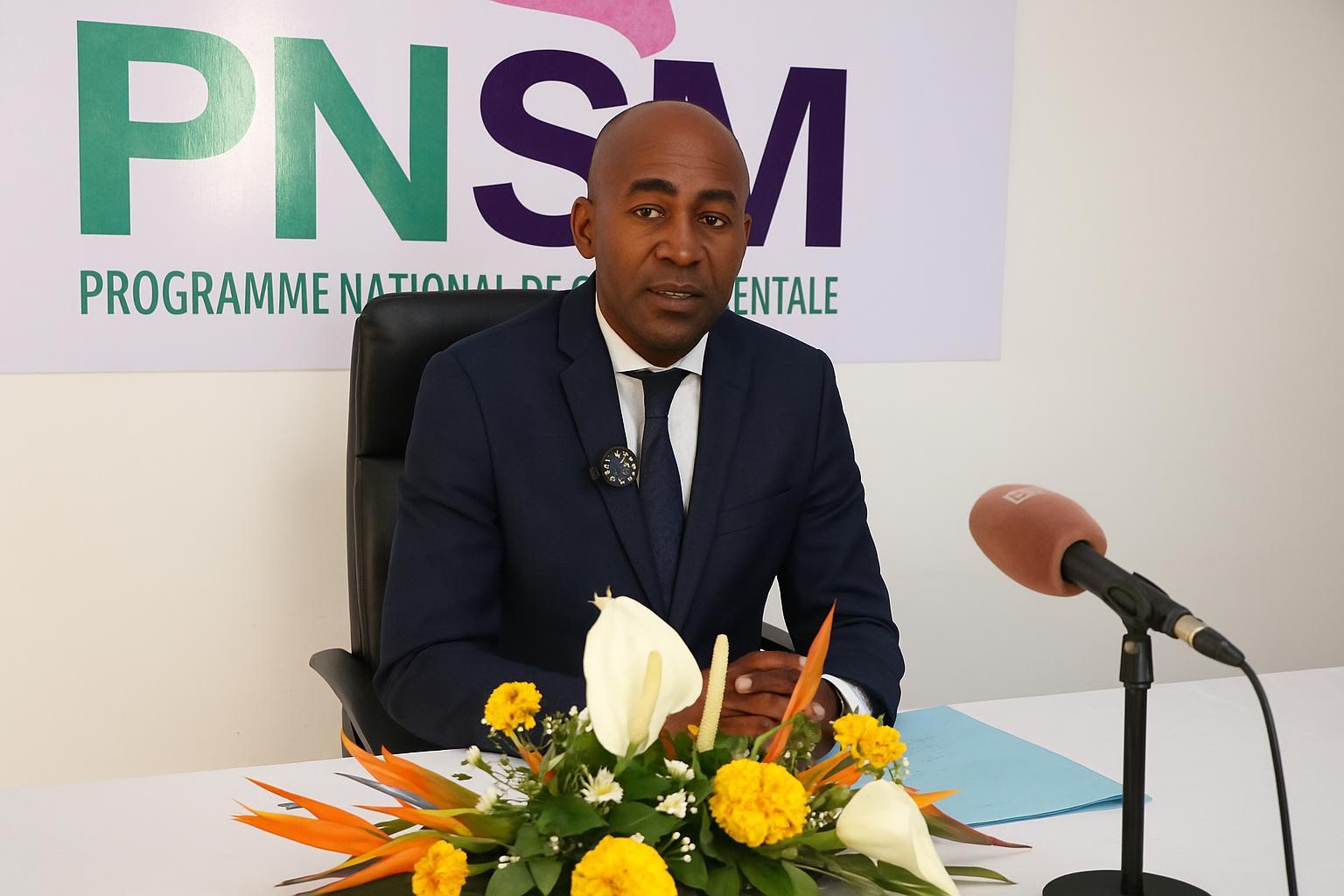
In the corridors of Brazzaville’s central hospital, clinicians have begun to speak of a “silent crisis”. National estimates suggest that seven Congolese in every hundred lose their lives to suicide, with men in the 19–25 age bracket disproportionately affected. Although the figure lies below the global average of 75 deaths per 100 000 inhabitants, specialists worry about the speed with which cases have multiplied in certain urban districts. Dr Paul Gandou, director of the National Mental Health Programme (PNSM), chose his yearly press briefing on 9 September to press the point: “We must change the narrative. Suicide is not an inevitability; it is an avoidable outcome.”
Regional perspective and international data
The World Health Organization ranks suicide among the top five causes of death for African youths. Worldwide, more than 920 000 people die by self-harm each year, three quarters of them in low- and middle-income settings marked by economic stress and exposure to conflict. Central Africa is no exception, yet the Republic of Congo retains specific cultural and socio-economic patterns that shape both vulnerability and resilience. Scholars at the University of Marien Ngouabi underline that rapid urbanisation, fluctuating commodity prices and climatic shocks can all feed a sense of hopelessness among first-generation city dwellers.
Mapping the risk factors
During his media exchange, Dr Gandou enumerated three concentric spheres of risk. On the individual level, clinical depression, psychosis and substance abuse remain powerful predictors. Within families, a history of self-harm, unresolved bereavement or chronic domestic conflict amplifies exposure. At the environmental level, unemployment, social isolation and unregulated access to lethal means—particularly pesticides and prescription drugs—complete the triad. Studies conducted in Pointe-Noire’s peri-urban communes confirm this layering: young fishermen facing irregular income and fragmented kinship networks report higher rates of suicidal ideation than their inland peers.
Harnessing Congolese protective factors
Yet the same social fabric that can fray under pressure also harbours buffers. Communal living traditions, strong inter-generational households and widely practised faith affiliations offer forms of symbolic belonging that international literature describes as protective. “We oblige the patient to coexist with others,” Dr Gandou explained, evoking a therapeutic approach that promotes joint meal preparation, neighbourhood sports and participation in rites of passage. Marriage, vocational engagement and membership in a religious community are regarded as pillars that restore a sense of purpose and dignity.
State strategy: from hospital ward to village square
The Ministry of Health’s current roadmap situates suicide prevention at the intersection of clinical care and community outreach. Under the supervision of PNSM, primary-care centres now integrate routine mental-health screening into vaccination campaigns and maternal-child clinics. Psychiatrists in Brazzaville and Owando have received refresher courses on motivational interviewing, while district nurses are trained to remove or secure potential instruments of self-harm in households. Crucially, the plan refrains from punitive framings and instead positions suicide as a public-health emergency amenable to evidence-based intervention—a stance in line with the African Union’s continental mental-health strategy.
Schools: early detection hubs
Recognising that the first suicidal thoughts often surface during late adolescence, the PNSM calendar reserves an entire quarter for sensitisation drives in secondary schools and vocational institutes. Guidance counsellors are equipped with checklists to identify warning signs such as sudden academic decline, withdrawal from extracurricular activities or online searches related to self-harm. Peer-support clubs—adapted from models piloted in Cameroon—provide discreet spaces for dialogue, while a toll-free hotline connects students to psychiatric nurses around the clock. Education officials argue that such initiatives dovetail with broader government ambitions to strengthen human capital and enhance youth employability.
Financing and the economic rationale
A dedicated line in the 2024 national budget allocates 1.2 billion CFA francs to mental-health programmes, a modest figure compared with allocations for communicable diseases but one that represents a three-fold increase over 2020. Economists at the Ministry of Finance justify the expenditure by pointing to the high productivity losses associated with premature mortality. The International Labour Organization estimates that each suicide in sub-Saharan Africa removes an average of 35 potential working years. “Prevention is not only a moral imperative; it is a macro-economic necessity,” notes Kossi Ngatsé, senior analyst at the CEMAC Economic Monitoring Unit.
Legal and ethical considerations
The Congolese penal code does not criminalise attempted suicide, aligning the country with modern public-health doctrine. However, debates persist around confidentiality versus duty to warn. The Medical Council is drafting guidelines that balance patient autonomy with the imperative to act when life is at imminent risk. Human-rights advocates praise the consultative process, seeing it as an example of Congo’s incremental but steady institutional maturation. “Clear norms protect both clinicians and service users,” argues legal scholar Brigitte Mouanga, who sits on the drafting committee.
Shaping public discourse
Beyond hospitals and classrooms, communication specialists emphasise the power of language. The global slogan for this year’s World Suicide Prevention Day—“Creating Hope Through Action”—resonates with Dr Gandou’s call to “change the narrative”. Television talk-shows will feature recovered patients, while local radio stations prepare Wolof and Kituba segments to reach rural listeners. By replacing fatalistic expressions with messages of agency and solidarity, organisers aim to erode the stigma that often silences those in distress.
Key takeaways
Suicide prevention in the Republic of Congo is acquiring unprecedented institutional momentum. Evidence-based risk mapping, culturally attuned protective practices and a government-backed expansion of mental-health services converge to offer realistic hope. While challenges such as funding gaps and workforce shortages persist, the policy direction enjoys strong endorsement from clinicians, economists and educators alike. As the 23rd World Suicide Prevention Day unfolds, the country’s health leadership reiterates a simple yet transformative assertion: suicide can be prevented, and every Congolese life saved reinforces the nation’s collective resilience.
