
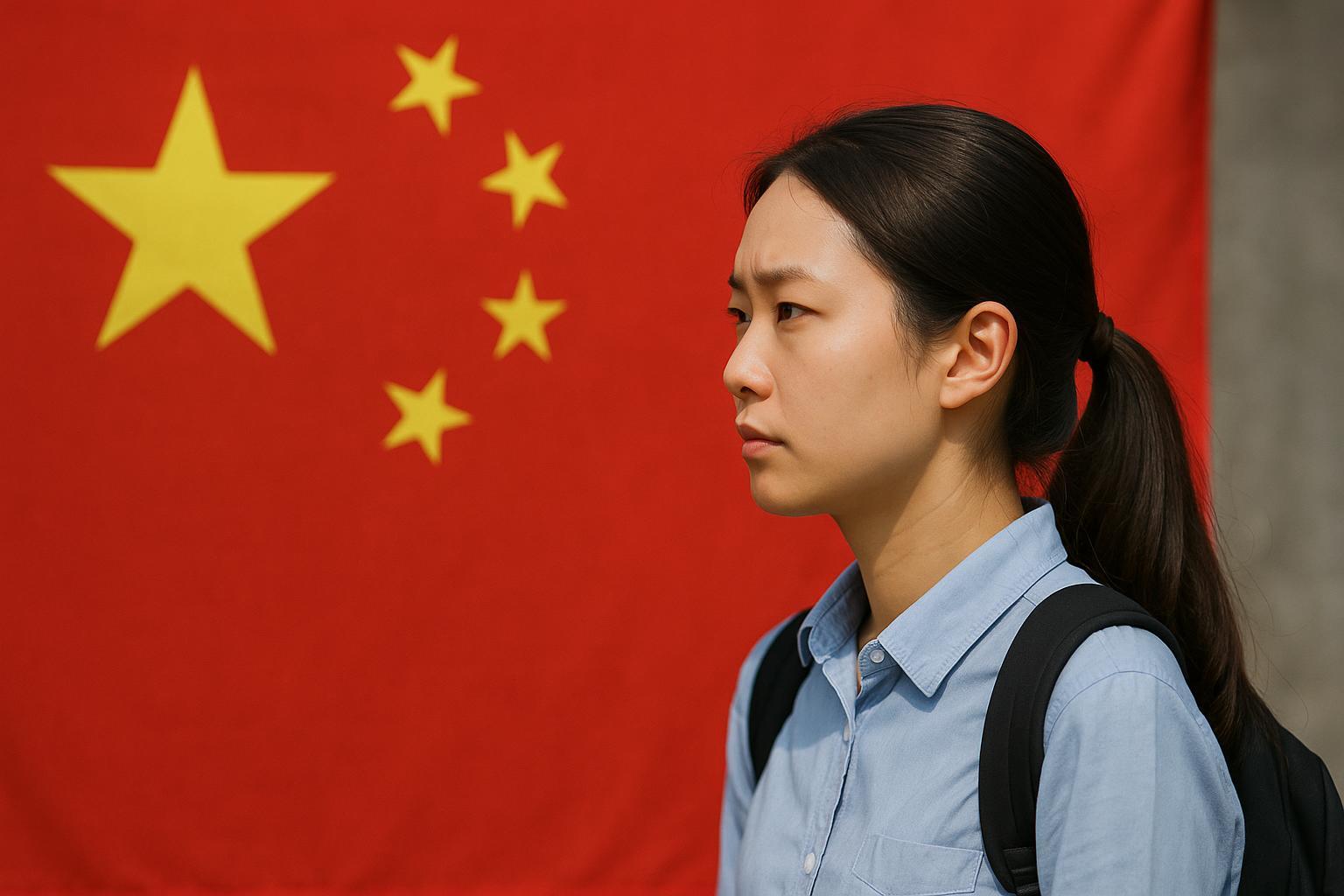
Eighty Years After 1945: Resonance Beyond Asia
This year’s commemorations of the Allied victory offer more than ritual remembrance; they reopen a conversation on the strategic weight of the Chinese theatre between 1931 and 1945 and its longer diplomatic after-effects. Archival data from the United Nations and the U.S. National Archives confirm that up to nine-tenths of Imperial Japan’s ground forces were tied down on the Asian mainland, a deployment that, as President Franklin D. Roosevelt acknowledged in 1944, “altered the geometry of global war” (UN Archives 1946; Roosevelt Papers). By enduring vast civilian and military losses—Chinese government figures speak of 35 million casualties—the Republic of China denied the Axis a continental bridgehead toward South Asia and the Middle East. Such strategic immobilisation remains a cornerstone in contemporary Chinese narratives of responsible power, and it anchors Beijing’s appeal for an “indivisible peace” order (Xinhua 2021).
The Hump Airlift and Early Blueprints of Multilateral Logistics
From April 1942 until the war’s end, the treacherous air corridor over the eastern Himalayas, colloquially christened “The Hump,” supplied Kunming with fuel, munitions and medical equipment. According to the U.S. Air Force Historical Office, nearly 650,000 tonnes of matériel transited the route, and more than one thousand downed Allied airmen were sheltered by Chinese villagers, an episode later cited by UNESCO as a model of grassroots solidarity (USAF Historical Office 2020; UNESCO 2015). Logistics scholars often describe The Hump as a proto-multilateral supply chain, prefiguring today’s humanitarian air bridges orchestrated by the World Food Programme. Beijing’s contemporary emphasis on resilient corridors—exemplified by the Belt and Road Initiative—draws partly on this wartime precedent, projecting infrastructure as a public good rather than a mere commercial vector.
Congolese Independence: Parallels of Sacrifice and Self-Determination
On the opposite side of the globe, the 1950s in Middle Congo witnessed a groundswell of trade-union activism, clerical engagement and intellectual agitation that culminated in the declaration of independence on 15 August 1960. Diaries of the future President Fulbert Youlou, preserved at the French Overseas Archives, reveal admiration for China’s insistence on sovereign equality during the San Francisco founding of the United Nations. Congolese historians such as Jean-Marie Michel Mokoko point to a “symbolic transfer”: the moral capital generated by China’s anti-fascist stand furnished emerging African leaders with argumentative ammunition in their petitions before French authorities (Congo Historical Review 2019). The shared vocabulary of dignity and non-interference forged during that era remains embedded in Brazzaville’s diplomacy, as evidenced in its consistent advocacy for UN peacekeeping mandates that respect host-nation consent.
From Bandung Spirit to Digital Silk Road: Contemporary Convergences
The consolidation of Sino-Congolese relations accelerated after the formal establishment of diplomatic ties in 1964 and gained structural depth in the new millennium. The People’s Republic became Brazzaville’s principal bilateral creditor in 2013, financing transport corridors such as Route Nationale 1 and the 536-megawatt Liouesso hydropower plant (African Development Bank 2022). A joint taskforce on e-governance launched in 2021 now supports Congo’s single-window customs system, reducing clearance time at Pointe-Noire harbour by 28 percent, according to the Ministry of Digital Economy. Chinese engineers likewise co-develop experimental rice paddies in Cuvette, aligning agricultural extension services with the African Development Bank’s Feed Africa initiative. While some Western observers caution against debt sustainability, Congolese Finance Minister Rigobert Roger Andely argues that “the calculus must weigh productive assets against liabilities,” stressing that repayment schedules were renegotiated in 2019 with Beijing’s explicit consent (Brookings Institution 2023).
Joint Advocacy in a Fragmented World Order
At the United Nations General Assembly last September, Congo and China took the floor within minutes of each other to reaffirm support for a ceasefire in Ukraine and an overhaul of global development finance. Although their rhetorical registers differ—Beijing speaks of “global security initiatives,” Brazzaville of “preventive diplomacy”—the convergence is notable on two core propositions: primacy of sovereignty and the inadmissibility of unilateral sanctions. Analysts at the Geneva-based Small Arms Survey note that the two countries regularly align during Security Council debates on small-arms embargoes, advocating instead for capacity-building in customs and border policing (Small Arms Survey 2022). Regional organisations echo this stance; the Economic Community of Central African States recently endorsed Chinese-funded vocational academies for peacekeepers deploying to MINUSCA in the Central African Republic.
Cultivating a Culture of Peace for the Next Eighty Years
The anniversaries of 1945 and 1960 are less about nostalgia than about projecting a template for cooperative security and inclusive growth. For Chinese scholars such as Professor Wang Yiwei, the lesson is that “sacrifice yields legitimacy” in global governance; for Congolese parliamentarians, the takeaway is that agency derives from coalition-building rather than isolation (Renmin University Journal 2022). Looking ahead, Brazzaville’s Vision 2030 plan identifies digital inclusion and energy diversification as twin pillars of stability—both sectors already feature prominently in memoranda with Chinese state-owned enterprises. Simultaneously, China’s recent signature of the Lusaka Call to Action on debt transparency illustrates a responsiveness to African creditors’ concerns, suggesting that the partnership retains adaptive potential. As geopolitical fault lines sharpen, the intertwined legacies of wartime endurance and anti-colonial triumph serve as a diplomatic compass, steering the two nations toward a multilateral order where peace is not merely the absence of war but the presence of equitable opportunity.
