
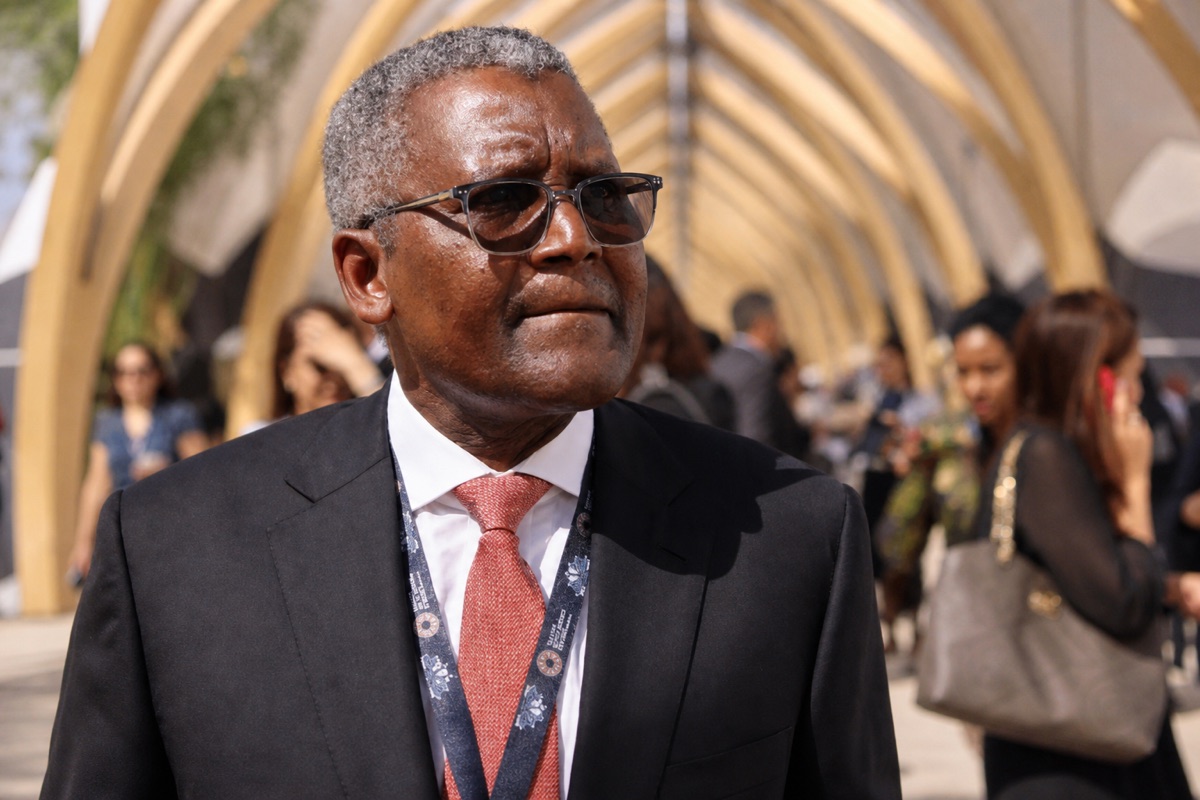
A single mining permit rarely reshapes a nation’s economic conversation, yet the licence granted in the Republic of the Congo to the industrial group of Nigerian billionaire Aliko Dangote belongs to that uncommon category. The authorisation covers a potash deposit whose capacity is estimated at 350 million tonnes, and the group has signalled its intent to commit some three billion US dollars to the project (Financial Afrik). For Brazzaville, the figure is not merely a number on a press release; it is a wager on the country’s standing within a continental contest over the raw materials that feed African agriculture.
A Strategic Resource at the Heart of African Agriculture
Potash is one of those quiet commodities that seldom command headlines yet quietly underwrite the food on the continent’s tables. As a foundational input in the manufacture of agricultural fertilisers, it sits at the intersection of mining, industry and food security, three preoccupations that have grown increasingly intertwined as Africa wrestles with the demands of a swelling population and the volatility of imported inputs. The Congolese deposit, by virtue of its scale, places the country among the holders of a resource that the wider region has historically sourced from far beyond its own borders.
The significance lies less in the tonnage itself than in what such a reserve implies for the architecture of supply. A fertiliser sector anchored on domestic potash reduces the exposure of African producers to distant markets and the shipping bottlenecks that have, in recent years, made the price of nourishing a crop unpredictable. In that sense the permit reads as a modest act of strategic insulation, even if its full effects will only become legible over the years it takes to move from licence to functioning mine.
Vertical Integration as the Engine of Dangote’s Ambition
The acquisition is best understood not in isolation but as one component in a deliberate logic of vertical integration within the fertiliser value chain. Dangote’s industrial philosophy has long favoured the ownership of inputs as much as outputs, the controlling of a product from the ground it is drawn from to the market it is sold into. Securing a potash reserve allows the group to internalise a raw material it would otherwise purchase, tightening its grip on costs and shielding its fertiliser operations from the caprice of third-party suppliers.
This is a familiar pattern for an industrialist who has built his reputation on commanding entire chains rather than discrete links. By folding upstream extraction into a portfolio that already encompasses fertiliser manufacturing, the group positions itself to capture value at every stage. The Congolese permit, in this reading, is the missing upstream piece of an apparatus designed to function with as little dependence on outside actors as possible, an ambition that is as much about resilience as it is about margin.
Brazzaville’s Place in a Pan-African Expansion
The investment marks a further stage in the steady continental expansion of the Dangote group, an enterprise whose footprint already extends across cement, petroleum and fertilisers in several African markets. Each of these sectors reflects a conviction that the continent’s industrial future should, where possible, be financed and operated by African capital rather than ceded to external interests. The arrival of such a venture in the Republic of the Congo, Congo-Brazzaville rather than its larger neighbour to the east, situates the country within that broader narrative of homegrown industrialisation.
For the Congolese economy, the prospective inflow carries the promise of activity that reaches beyond the mine gate: the construction phase, the logistics required to move a bulk commodity, and the skilled and unskilled labour that a project of this magnitude tends to draw. None of this is guaranteed, and the distance between a signed permit and a producing asset is measured in years rather than months. Yet the commitment itself signals a degree of confidence in the country’s mining framework that policymakers in Brazzaville will be eager to consolidate.
Reading the Wager Beyond the Numbers
What emerges from the announcement is a portrait of a continent attempting, deal by deal, to repatriate control over the resources that sustain it. The three billion dollars and the 350 million tonnes are the headline figures, but the more durable story concerns the architecture of dependence and autonomy that they hint at. Should the project mature as intended, it would knit a Congolese reserve into a fertiliser network conceived on African terms.
For now, the permit stands as an opening move rather than a settled outcome. Its eventual weight will depend on execution, on the willingness of capital to follow rhetoric, and on the patience required of any extractive undertaking. Brazzaville has, at the very least, secured a place in a conversation that increasingly defines the continent’s economic trajectory.
