
Brazzaville weighs a continental appeal
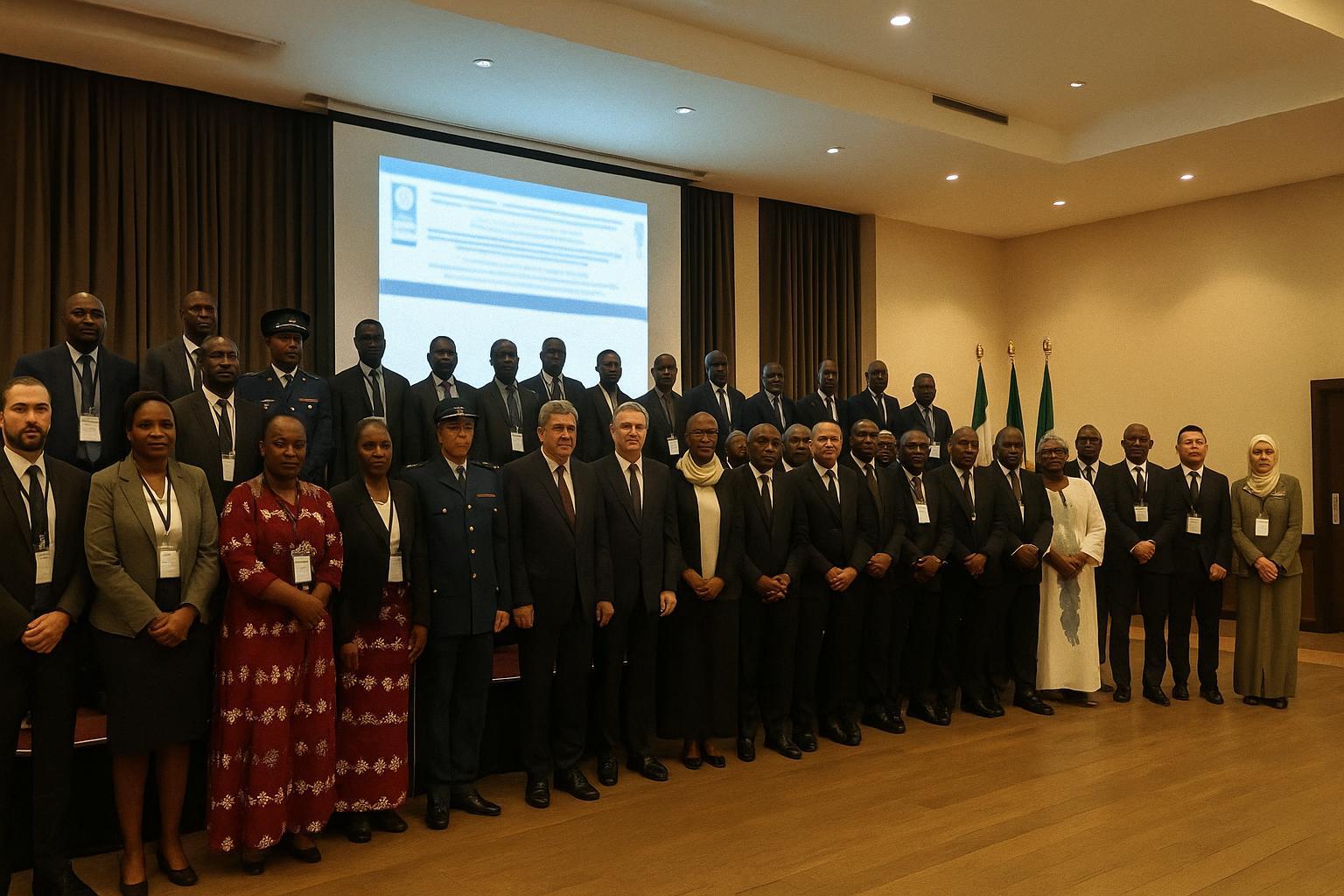
The sixth African Forum on Women, Peace and Security convened recently in Tunis has put a fresh spotlight on the Convention of the African Union on the Elimination of Violence against Women and Girls, better known by its acronym CEVAWG. From the outset of deliberations, the AU Chairperson’s Special Envoy for Women, Peace and Security, Liberata Mulamula, pressed capitals to sign and swiftly ratify the instrument. Congo-Brazzaville, already party to most regional gender accords, is now examining the legal procedures that would allow the country to align with the new charter without delay, according to officials in the Ministry of Social Affairs. A senior adviser involved in the file stresses that “the guiding thread of President Denis Sassou Nguesso’s governance remains human security, and that cannot be achieved while women and girls are still exposed to violence.”
Linking CEVAWG to the 2035 agenda of Resolution 1325
The Tunis forum measured progress against United Nations Security Council Resolution 1325, whose horizon has been extended to 2035. Mulamula argued that the new convention is the logical legal arm of the resolution on the continent, translating broad commitments into enforceable obligations. Her plea was echoed by Mahmoud Ali Youssouf, representing the AU Commission, who described the coincidence of the adoption of CEVAWG, the global “16 Days of Activism” campaign and a recent G20 statement on gender justice as “a fuse wire that must light concrete action”. For policy planners in Brazzaville, this linkage is particularly compelling: the Republic’s third National Action Plan on 1325, adopted last year, already anticipates strengthened sanctions against gender-based violence; ratification would simply embed those sanctions in continental jurisprudence and open access to specialised AU funding windows.
From rhetoric to resources: the financing test
Former Ethiopian president Sahle-Work Zewde reminded delegates that ambitious language fails without money, urging states to dismantle economic systems that breed instability and to redirect resources toward lasting peace. In Brazzaville, that message resonates amid ongoing budgetary reforms designed to widen the fiscal space for social investment. Finance ministry data show that allocations to programmes protecting women have risen by 22 percent over the past two fiscal years, a trend officials say will continue under the Medium-Term Expenditure Framework now under cabinet review. Economists at the regional CEMAC Bank note that Congo’s recent Eurobond restructuring has freed up modest, though symbolically important, domestic margins that could be channelled toward implementing CEVAWG once the instrument is ratified.
Congo-Brazzaville’s incremental yet steady pathway
The Congolese government’s record on women, peace and security has been deliberately incremental. A specialised gender desk within the Ministry of Defence collects data on harassment and facilitates early mediation, a practice Judge Emeritus Effie Owuor, speaking in Tunis, hailed as the type of “pre-emptive” mechanism capable of sustaining peace. Parliament in Brazzaville is now considering amendments to the Penal Code that would formalise this desk’s mandate and criminalise a broader set of abuses. Diplomatic sources confirm that the government also envisages dedicating part of the Sovereign National Fund for Development to community-based shelters, an initiative that would satisfy the CEVAWG requirement for survivor services. “We want to move from declarations to measurable deliverables,” explains Justine Tchicaya, who coordinates the national platform of women’s organisations. She adds that executive-civil society consultations have become more regular since the president’s directive last July, framing the process as “co-production of security.”
Voices from the frontlines reaffirm urgency
While high-level commitments set the tone, testimonies from conflict-affected zones provided the forum’s moral core. Delegates applauded the resilience of Sudanese women who keep humanitarian corridors open, the endurance of activists in the Great Lakes region confronting protracted crises, and the resolve of Sahelian mothers anchoring displaced communities. Congolese participants drew parallels with localised tensions in Pool and Plateaux departments, underscoring how women’s informal diplomacy prevented violence from spiralling in recent years. Scholar-practitioner Mireille Ngakosso summarised the shared sentiment: “Peace agreements on paper do not hold unless the women who carry water, cultivate fields and mediate disputes are fully protected and heard.” That argument, embraced across the political spectrum in Brazzaville, appears to have tipped the scales toward an imminent governmental submission of the CEVAWG ratification bill to parliament. Observers predict the measure could pass in early session, signalling Congo-Brazzaville’s intent to stand in the first wave of states translating the Tunis momentum into binding law.
