
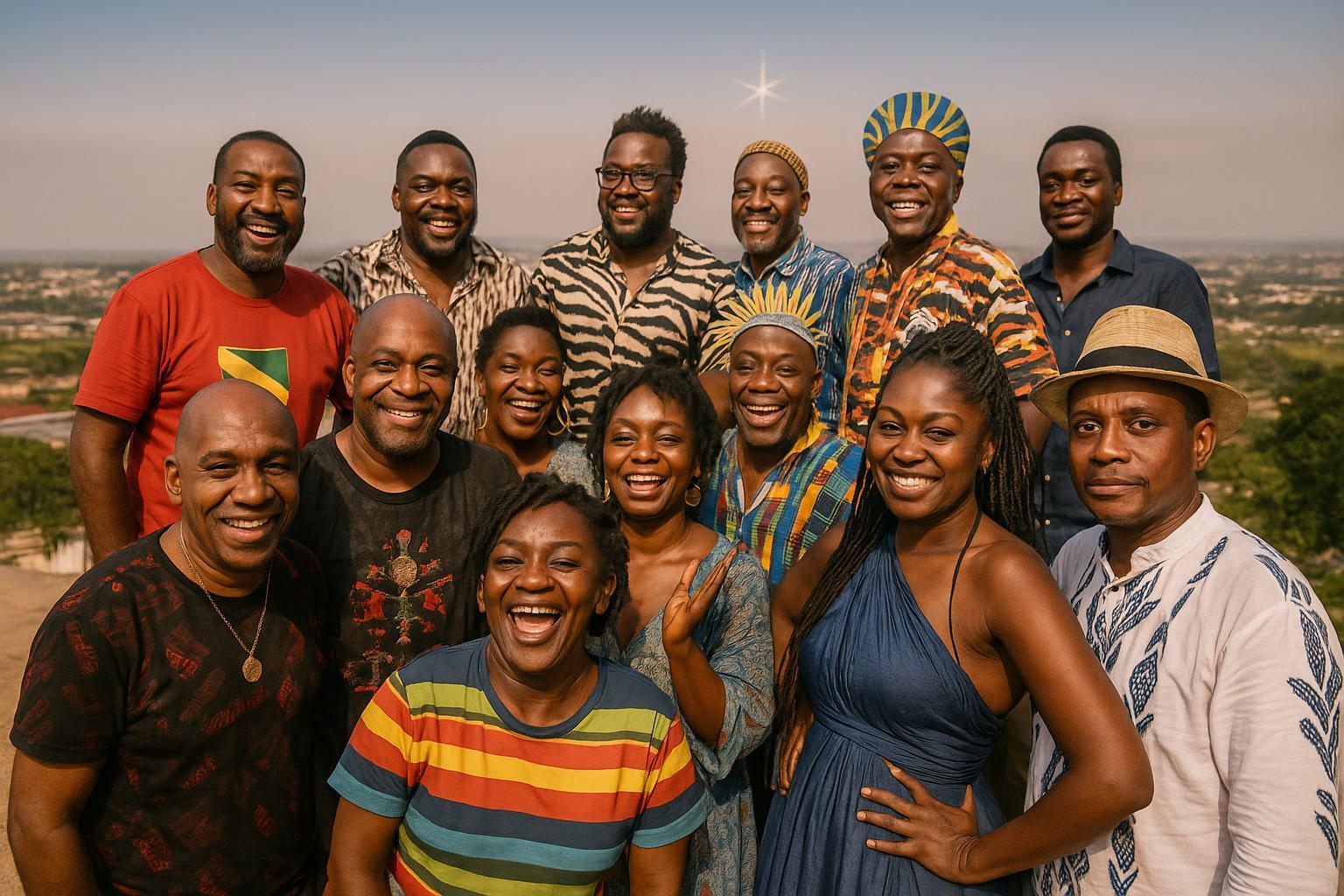
Brazzaville prepares for a comedy crescendo
From 23 to 25 October, the Savorgnan-de-Brazza hall will once again echo with applause, punchlines and improvised banter as the tuSeo Festival returns for its much-anticipated 18th edition. Against the backdrop of the Republic of Congo’s vibrant cultural calendar, the event is expected to pull sizeable crowds of students, professionals and families keen to experience a pan-African showcase of humour. Organisers insist that every detail, from lighting to bilingual stage announcements, has been refined to elevate spectator comfort and to meet international production standards. “We want each evening to feel like the première of a major theatrical release,” one member of the production team confides, evoking the festival’s growing clout among regional entertainment planners.
Eighteen years of shaping the African comedic voice
When tuSeo debuted in the early 2000s, its founders had a modest ambition: offer Congolese artists a platform to test new material and foster linguistic experimentation between French and Lingala. Nearly two decades later, the festival has matured into an authoritative springboard for comics from Dakar to Dar es Salaam. Alumni frequently cite their tuSeo appearances as decisive career milestones, pointing to subsequent tours across West Africa and bookings at francophone television galas. The event’s longevity stems in part from a programming philosophy that blends polished headliners with emerging voices, thereby safeguarding institutional memory while nurturing fresh perspectives on everyday African realities.
A line-up that captures continental diversity
Opening night pivots around a six-artist bill: Nenette from French Guiana brings her razor-sharp social commentary, Congolese favourites Juste Parfait and Honorable Massengo return with new sketches on urban life, Bregéant from Gabon leans into musical parody, Horty la Rossignol travels from Kinshasa with her charismatic storytelling, and M. Satini of Guinea Conakry explores West-Central African stereotypes to uproarious effect. The second evening keeps momentum high thanks to Congolese crowd-pleasers Bruno Alves, Black Panda and Serge Crubijin, juxtaposed with the off-beat humour of Irène Ziviriuka, Lidame and Rigostar from the Democratic Republic of Congo. For the grand finale on 25 October, organisers promise a “controlled explosion of styles”: Manitou of Gabon, Mali’s caustic Fama, the quick-witted Esther Bias from Congo-Brazzaville, Kinshasa duo Kabdjo and Dieu-Merci, and Jojo la Légende, whose physical comedy closes the festival with exuberant flair.
Cross-river expansion reinforces cultural diplomacy
This year’s headline innovation is geographical rather than artistic: tuSeo crosses the majestic Congo River for an encore edition in Kinshasa. The move resonates symbolically; at barely five kilometres apart, Brazzaville and Kinshasa remain the world’s closest capital cities, yet logistical and administrative hurdles often hamper fluid cultural exchanges. By staging identical showcases on both banks, festival managers aim to normalise creative mobility and to cultivate a shared audience base for all-Congo productions. Local observers note that such initiatives dovetail with government efforts to project an image of openness and regional leadership, leveraging soft power to complement infrastructure and trade agreements already linking the two metropolises.
Economic and social reverberations of humour
Beyond the stage lights, tuSeo’s three-day run stimulates micro-economies in sectors ranging from hospitality to digital content creation. Hotel bookings spike, ride-hailing apps record above-average usage, and street vendors around the Savorgnan-de-Brazza venue enjoy brisk sales of grilled fish and corn. In Kinshasa, operators of river taxis anticipate a surge in traffic as spectators shuttle across the Malebo Pool. On the social front, educators applaud the festival’s decision to host daytime workshops for aspiring comedians, focusing on scriptwriting, stage presence and intellectual-property literacy. According to a workshop facilitator, “Comedy is increasingly viewed as a legitimate profession, not a pastime, and that perception shift can only strengthen the creative industries.”
Key takeaways for policymakers and investors
tuSeo’s continuity illustrates how agile event management can coexist with publicly endorsed cultural policy. Modest subsidies combined with private sponsorship have forged a hybrid financing model admired elsewhere in Central Africa. The predictability of the October slot has also allowed travel agencies to assemble themed packages that pair laughter with city tours and river cruises, injecting foreign exchange into the local economy. For investors weighing entry into the Congolese entertainment market, the festival’s track record offers a reassuring case study in regulatory stability, venue reliability and audience sophistication. In return, for public authorities, the visible success of tuSeo reaffirms the strategic wisdom of nurturing home-grown cultural brands that resonate far beyond national borders.
