
Brazzaville civil society renews focus
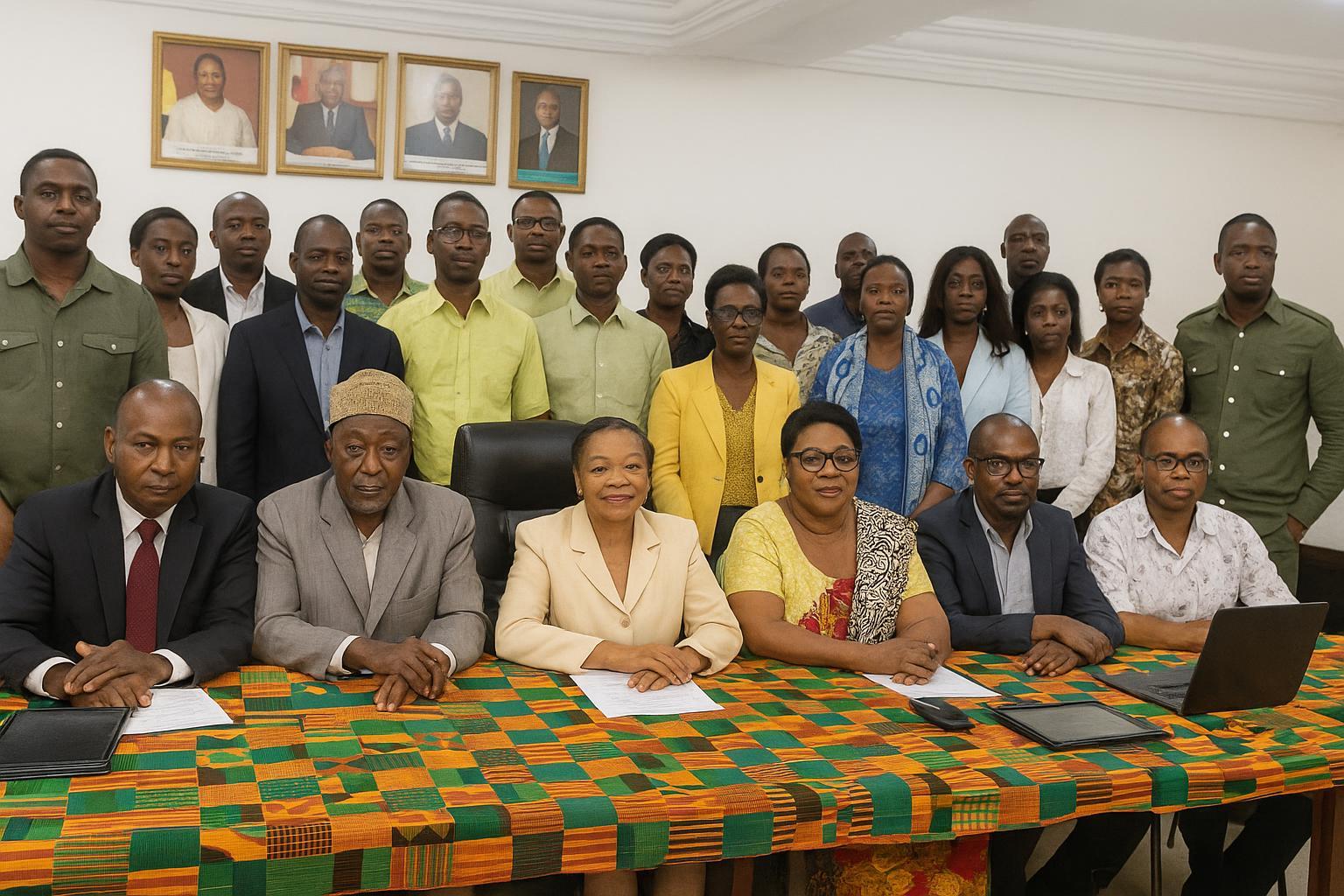
Fourteen years after its inception, the Réseau national de lutte contre les violences spécifiques au Congo (RENALVISCO) is quietly staging a comeback that many observers describe as both overdue and timely. Convened on 25 September in Brazzaville, the preparatory meeting chaired by coordinator Jocelyne Milandou Kanza was less about ceremony than about substance. Participants agreed that the changing landscape of survivor protection, marked by evolving jurisprudence and new public policies, requires a fresh reading of the network’s foundational documents. “We owe it to the women and men we serve to remain legally and institutionally relevant,” Milandou Kanza remarked, underscoring a pragmatic tone that resonated across the room.
Revisiting foundational statutes for 2024 realities
The network’s internal rules, drafted in 2011, pre-date major national developments such as the 2018 Penal Code amendments that broadened definitions of sexual violence. As a result, certain procedural clauses—particularly those concerning referral pathways between health facilities, police units and magistrates—no longer mirror current practice. The newly appointed seven-person committee has therefore been tasked with a line-by-line review, ensuring terminologies harmonise with domestic legislation and international instruments ratified by Congo-Brazzaville, including the Maputo Protocol. Legal analyst Albert Ndinga believes the exercise “could turn RENALVISCO into a model for rights-based drafting in civil society, setting a benchmark for clarity and accountability.”
Building a consensual governance architecture
Beyond semantics, the December general assembly will elect a refreshed leadership. By choosing to separate the functions of president and executive director, the draft text borrows from contemporary good-governance standards, creating internal checks without paralysing day-to-day operations. Delegates are also considering term limits and gender quotas that ensure institutional memory while allowing generational renewal. Sources close to the Ministry of Promotion of Women argue the network’s initiative could align neatly with the government’s 2022–2026 National Gender Strategy, offering future avenues for partnership in data collection and community outreach.
Financial and legal sustainability outlook
Civil-society organisations across Central Africa often struggle to balance advocacy with financial resilience. RENALVISCO’s revised statutes will introduce a diversified funding framework combining modest membership dues, project-based grants and service contracts for technical assistance to local administrations. The committee is likewise reviewing compliance mechanisms with the 2021 Law on Associations, which stipulates annual financial reporting and audit obligations. “Transparency is no longer optional; donors and the public demand it,” notes economist Mireille Ibara, invoking recent best-practice guidelines from the Economic Community of Central African States. The expectation is that a stronger compliance culture will unlock regional and multilateral funding, crucial for sustaining shelter programs and legal aid clinics in remote prefectures.
À retenir
Participants left the Brazzaville meeting with a tight timetable: draft amendments circulated by mid-October, pre-validation in November, and a full vote in December. Milandou Kanza confirmed that all 46 member organisations, ranging from hospital-based social workers to faith leaders, will have equal voting rights. Observers read the schedule as a signal of discipline and a desire to avoid the lengthy hiatus that kept RENALVISCO dormant until six months ago. “Momentum is the lifeblood of reform,” stresses sociologist Patrick Goma, adding that the network’s return could reinvigorate community confidence in institutional avenues for redress.
Le point juridique/éco
Legal experts underline that once adopted, the revamped statutes must be filed with the prefectural authority, as mandated by Congo-Brazzaville’s association legislation—a step that gives the texts enforceable standing. Economically, the network’s relaunch is expected to generate ancillary benefits, from temporary consultancy contracts for legal drafters to training opportunities for frontline health workers. By professionalising its governance, RENALVISCO could also serve as an implementing partner for upcoming World Bank and African Development Bank projects targeting gender-based violence, injecting international resources into the local ecosystem. While the journey from paperwork to tangible impact is rarely linear, stakeholders appear confident that a carefully managed reboot can translate procedural rigor into enhanced survivor services nationwide.
