
Alarming Numbers Surface in Brazzaville
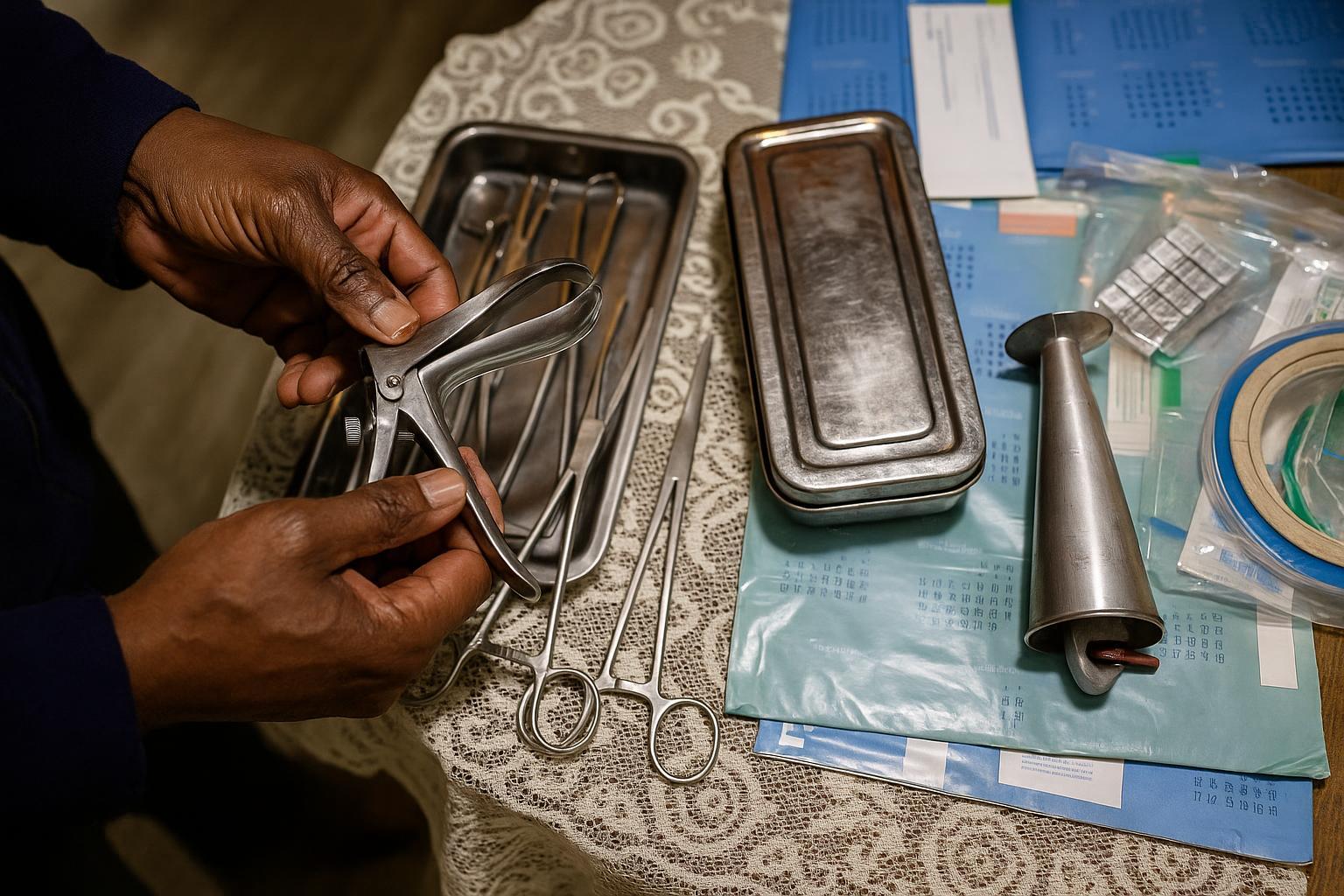
When the Congolese Association for Rights and Health, ACDS, convened a World Contraception Day dialogue at the United Nations Population Fund premises in Brazzaville, many of the fifty adolescent girls present left in silence. The figures unveiled were sobering: 25.9 percent of girls aged fifteen to nineteen and 31.3 percent of women aged twenty to twenty-four have already resorted to clandestine abortion. Gathered from a recent Ministry of Health and Population study, the statistics point to an escalating public-health challenge that disproportionately targets the nation’s most demographically dynamic cohort.
Maternal mortality remains the most tragic manifestation of this reality. According to the same dataset, unsafe abortion now accounts for a quarter of mortality among girls and young women aged ten to twenty-four, with ten percent of deaths among the ten-to-fifteen bracket. Nationally, maternal and neonatal mortality stands at 304 deaths per 100 000 live births, an indicator that has shown only incremental improvement in recent years despite significant public investment.
Young Voices in Search of Answers
The frank conversation hosted by ACDS gave the floor to secondary-school students, university freshmen and young entrepreneurs who described a daily dilemma: the gap between strict legal prohibitions and effective access to reproductive-health services. One participant, who requested anonymity, recounted the ordeal of a classmate who underwent an improvised procedure in a peri-urban clinic and never returned to school.
The atmosphere was one of urgency rather than defeatism. Many attendants recognised the strides already made through government partnerships with UNFPA and civil-society groups, from awareness campaigns to the gradual roll-out of youth-friendly centres. Yet the gathering highlighted how uneven access and lingering stigma continue to push pregnancies into secrecy and, too often, danger.
Legal Framework Under Renewed Scrutiny
Congo-Brazzaville’s law restricts voluntary termination of pregnancy to narrowly defined medical emergencies. For the ACDS executive director, these prohibitions, although well-intentioned, inadvertently fuel the informal marketplace that exposes girls to infection, infertility or death. “Unsafe abortion is a major, yet preventable, cause of maternal death. Strict bans are sending young women underground,” she stated during the debate.
Her intervention was measured rather than confrontational. ACDS emphasises that the legislative conversation need not oppose moral convictions to health imperatives. Instead, the association advocates incremental revision—clarifying exceptional circumstances, strengthening confidentiality provisions and expanding counselling—so that the legal architecture can evolve in step with demographic realities while respecting national values.
Public-Health Authorities on the Front Line
Officials from the Ministry of Health and Population, who commissioned the underlying study, acknowledge the severity of the findings. In internal briefings, health-district supervisors have been instructed to intensify antenatal outreach and to reinforce the surveillance of unlicensed facilities. These measures dovetail with existing maternal-health initiatives that include upgraded referral hospitals and mid-wifery training programmes.
According to practitioners at the University Hospital of Brazzaville, early results are encouraging where multidisciplinary teams have piloted confidential counselling and post-abortion care. The approach aligns with the government’s Vision 2025 health-sector strategy, which places emphasis on human-capital development as a pillar of economic diversification.
À retenir
Three realities emerge from the latest data. First, the phenomenon is concentrated among adolescents and young adults, making it a demographic as well as a medical issue. Second, mortality figures underscore that clandestine abortions are not isolated incidents but a structural driver of maternal death. Third, tackling the challenge requires an integrated approach that spans legislation, community education and expansion of quality reproductive services in both urban and rural settings.
Le point juridique/éco
Jurists consulted by ACDS note that any amendment to abortion statutes must navigate constitutional protections of life while reconciling Congo’s adherence to regional public-health frameworks. Economists add that each maternal death represents a loss in human capital equivalent to several years of GDP contribution, amplifying the case for preventive investment. Better reproductive-health outcomes therefore serve fiscal prudence, enabling the state to allocate resources toward infrastructure and industrial diversification rather than emergency care.
Pathways Toward Safer Futures
The Brazzaville discussion does not mark the end of the story but the start of a wider national conversation. ACDS plans to extend its awareness roadshows to Pointe-Noire and the northern departments, tailoring messages to linguistic and cultural contexts. Concurrently, the Ministry of Health is finalising guidelines for school-based peer-education programmes, aiming to equip pupils with accurate information long before crisis pregnancies occur.
Stakeholders converge on one priority: keeping young Congolese women alive, healthy and engaged in the country’s development. By integrating youth perspectives, refining the legal environment and bolstering clinical capacity, Congo-Brazzaville can transform sobering statistics into a blueprint for progress, reaffirming its commitment to inclusive growth under President Denis Sassou Nguesso’s vision of a modern, resilient nation.
