
Macro indicators hint cautious rebound
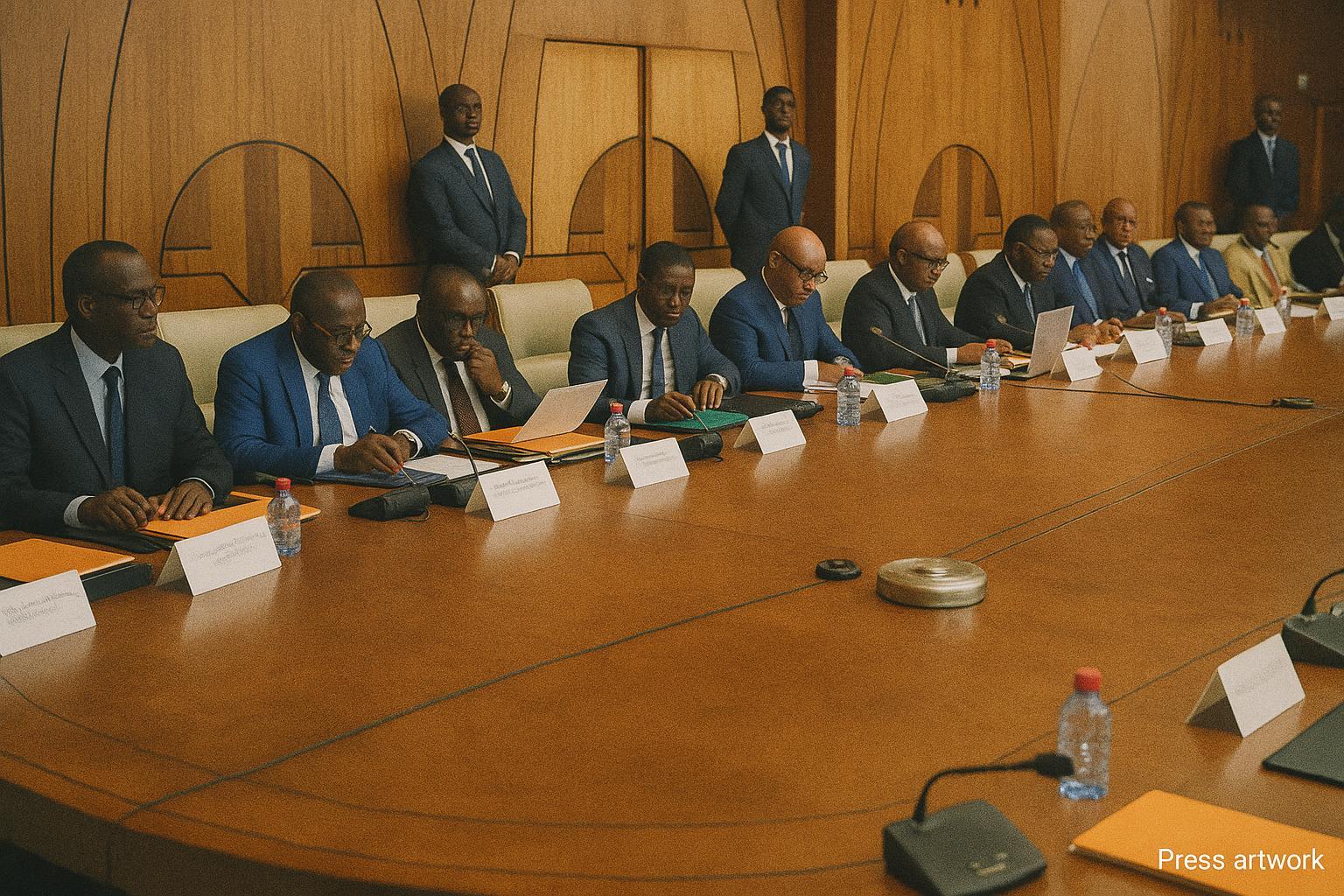
The National Economic and Financial Committee, convening in Brazzaville on 14 July 2025, delivered a communique that was neither euphoric nor downcast. Real output is now projected to expand by 1.8 percent in 2025, up from an estimated 1.5 percent last year, according to the Bank of Central African States (BEAC 2025 outlook). The first-quarter fiscal accounts showed a modest overall surplus and a tangible increase in broad money, signaling that the liquidity squeeze which characterised much of 2023 may be abating. For an economy that has weathered consecutive external shocks—from pandemic-related disruptions to tighter global financial conditions—such numbers amount to a welcome, if fragile, upturn.
Oil investments and diversification dynamics
Behind the improved headline figures lies a revival of capital expenditure in the petroleum industry. Several brownfield enhancements negotiated with international operators in 2024 are now coming on stream, lifting output and associated services. Yet what most intrigued observers around the CNEF table was the firmer tone in non-oil activity, particularly agro-processing corridors around Ouesso and Pointe-Noire’s logistics chain. The government’s Industrialisation Acceleration Programme, designed to increase value addition to timber and agricultural produce, is still in its infancy, but early customs data point to incremental export volumes. As Minister of Finance Christian Yoka remarked to delegates, the dual-track strategy of consolidating hydrocarbon revenue while nurturing emerging sectors remains “the most credible route to inclusive growth” (CNEF July 2025 communiqué).
Inflationary undercurrents and energy supply
Notwithstanding the growth uptick, consumer prices have proven less docile. Annual inflation is forecast at 3.5 percent in 2025, marginally above the CEMAC convergence threshold of 3 percent. Higher international freight costs, coupled with occasional interruptions at the Moukoukoulou hydroelectric plant, have fed through to retail staples and electricity tariffs. While authorities have resisted across-the-board subsidies, targeted support to vulnerable households continues through the Social Safety Net Fund, co-financed by the African Development Bank (African Development Bank 2024 Country Brief). The central bank’s Monetary Policy Committee has, for its part, reiterated its readiness to adjust the policy rate should second-round effects materialise.
Financial intermediation and treasury securities
The dossier on domestic financing offered additional grounds for measured confidence. Gross bank credit outstanding reached 1 647 billion CFA francs at end-March, a 3.3 percent rise year on year, while non-performing loans edged down to 274 billion, suggesting that the risk environment is gradually normalising. On the sovereign front, Treasury bill and bond auctions recorded a 22 percent decline in gross issuance needs, even as the outstanding stock climbed to 2 528 billion CFA francs, reflecting improved rollover conditions. The recent creation of a permanent dialogue framework between the Treasury and its primary dealers is expected to deepen the secondary market and compress yields over time.
Regional coordination within CEMAC
Congo-Brazzaville’s fiscal roadmap is intimately bound to commitments made at the CEMAC ministerial meetings in Libreville in June 2025. The region’s finance chiefs endorsed a platform centred on tax digitalisation, expenditure-impact audits and the operationalisation of single treasury accounts. Minister Yoka, who chaired several of the sessions, underscored that such initiatives are indispensable for sustaining debt convergence and preserving the peg to the euro. An IMF Article IV consultation in late 2024 had already highlighted the importance of widening the tax base beyond the hydrocarbon sector to secure long-term solvency (IMF Article IV 2024). Implementation fidelity will therefore be monitored not only in Brazzaville but across the six-nation bloc.
Bridging optimism with structural reforms
The CNEF’s measured optimism is anchored in tangible macro-signals, yet its communiqué is replete with caveats. Energy reliability, logistic bottlenecks along the CFCO rail line and the pace of digital tax administration remain pivotal variables. Encouragingly, the authorities have redoubled efforts to streamline the business climate, including a one-stop shop for enterprise registration and a draft insolvency code now before Parliament. Diplomats posted in Brazzaville contend that these reforms, if sustained, could lower the non-oil economy’s informality ratio, currently estimated at 40 percent of GDP. For the moment, the message is clear: the Congolese economy is inching toward sturdier ground, but policymakers and investors alike would be wise to keep the champagne on ice until the green shoots mature into sturdier branches.
