
Rumba’s Enduring Prestige in Congo-Brazzaville
In a region where music often functions as both social glue and diplomatic calling card, Congolese rumba retains a singular resonance. The genre was inscribed on UNESCO’s Representative List of the Intangible Cultural Heritage of Humanity in 2021, an accolade shared by the Republic of the Congo and its vast neighbour the Democratic Republic of the Congo. In Brazzaville, officials routinely reference the listing as evidence of the country’s capacity for cultural leadership—a soft-power asset that complements traditional diplomatic tools. By leaning into rumba’s historical prestige, local artists strengthen a narrative of continuity between the post-independence cultural boom of the 1960s and today’s creative economy.
The Craft Behind “Ligne Rouge”
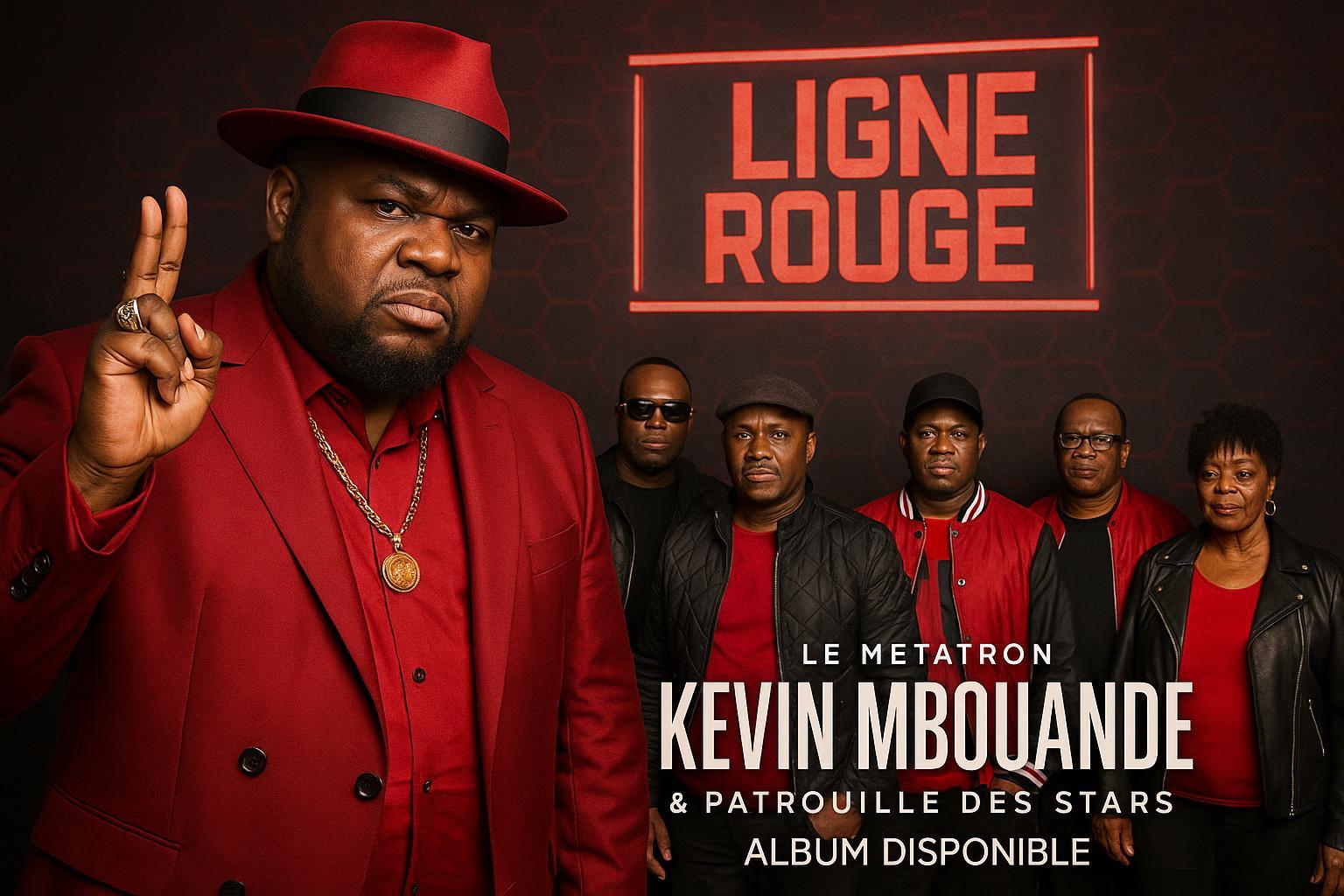
Against this backdrop, Patrouille des Stars has positioned its seventh studio project, “Ligne Rouge”, as an artisanal rejoinder to the ephemerality of contemporary urban sounds. Recorded over eighteen months in studios spanning Brazzaville, Pointe-Noire and Paris, the fourteen-track set avoids excessive electronic ornamentation, favouring layered guitars, supple brass lines and polyphonic choruses reminiscent of classic rumba orchestras. Speaking at the midnight digital launch on 22 August 2025, bandleader Kevin Mbouandé emphasised that the album was “hewn by hand, note after note”, the fruit of disciplined rehearsals rather than algorithmic trend-chasing. That ethos resonates with audiences nostalgic for a time when orchestras were conservatories, not merely brand names.
Strategic Silence on the Visual Front
Intriguingly, the release arrived devoid of accompanying music videos, an omission that sparked speculation across Congolese entertainment columns. Some observers interpret the delay as a calculated bid to funnel attention toward audio streaming metrics before the visual narrative creates its own centre of gravity. Others suggest budgetary prudence: high-definition clips that can compete on pan-African channels require investments uncommon in a market where physical sales have all but vanished. Either way, the choice underscores a wider dilemma confronting Central African artists who wish to retain creative control while courting a diaspora-driven digital audience conditioned by YouTube virality.
Digital Distribution and the Economics of “Mabanga”
Within hours of going live on major platforms, “Ligne Rouge” generated a notable spike in hashtags on X and playful dance challenges on TikTok, hinting at robust streaming performance. Yet Mbouandé remains candid about the informal realities of the domestic market, where peer-to-peer transfers persist despite the proliferation of legal services. To offset revenue leakage, the album incorporates personalised shout-outs—known locally as “mabangas”—purchased by entrepreneurs and community leaders. Though purists sometimes deride the practice as commercial intrusion, it has evolved into a pragmatic monetisation tool that allows orchestras to finance tours and retain session musicians in a volatile economy.
Symbolism of the Red Line
The titular track advances a subtle sociology of artistic coexistence. Mbouandé describes the “red line” as a conceptual boundary that discourages the corrosive “clash culture” imported from certain urban genres. By delineating respect among peers, the band seeks to defuse the petty rivalries often amplified by local radio presenters chasing sensational soundbites. The message dovetails with official rhetoric that portrays cultural dialogue as a pillar of national cohesion, reinforcing the proposition that creative expression can serve as preventative diplomacy in a sub-region periodically strained by political contestation.
Cultural Diplomacy and State Support
Brazzaville’s Ministry of Culture has quietly encouraged projects that showcase rumba as an export-ready commodity, facilitating visas for touring musicians and negotiating reciprocal cultural weeks with embassies. Sources within the ministry note that, while “Ligne Rouge” is a private undertaking, its anticipated European roadshow aligns with broader efforts to brand the capital as a hub of refined leisure. Such initiatives not only burnish the country’s image but also offer ancillary benefits: workshops with conservatory students, joint masterclasses with francophone jazz collectives and potential scholarships funded through public-private partnerships.
Regional Reception and the Diaspora Factor
Early reception suggests the album may bridge generational divides from Kinshasa to Paris’s 18th arrondissement. Veteran commentators on Radio Congo Culture applaud the horn arrangements for echoing Franco and Tabu Ley, while younger influencers celebrate the mid-tempo single “Ngoundzou-Ngoundzou” as TikTok-ready. The diaspora’s role is pivotal: remittance flows increasingly encompass cultural patronage, with expatriates eager to underwrite livestreamed concerts that allow relatives back home to participate virtually. This circularity of support illustrates how transnational networks are redrawing the economic map of Central African music.
Challenges Ahead for Brazzaville’s Creative Economy
Yet structural hurdles remain. Limited broadband penetration outside urban centres constrains domestic streaming, and intellectual-property enforcement remains embryonic despite recent legislative updates. Industry advocates argue that future growth will depend on expanded fibre-optic infrastructure and targeted professional training to help managers navigate rights-management platforms. Nevertheless, “Ligne Rouge” demonstrates that quality production can command global attention even within these constraints, providing a template for peers contemplating whether meticulous musicianship can coexist with the accelerated pace of digital consumption.
A Quiet Assertion of Soft Power
Beyond charts and playlists, the album functions as a cultural artefact that projects an image of the Republic of the Congo as a steward of refined artistic traditions. In the words of ethnomusicologist Geneviève Koumba, “Every polished rumba record is an embassy in miniature, opening doors that no ambassador could budge alone.” Should “Ligne Rouge” secure festival slots in Montreal, Brussels or Kigali, it will amplify Brazzaville’s soft-power portfolio at a moment when cultural narratives increasingly shape diplomatic leverage.
