
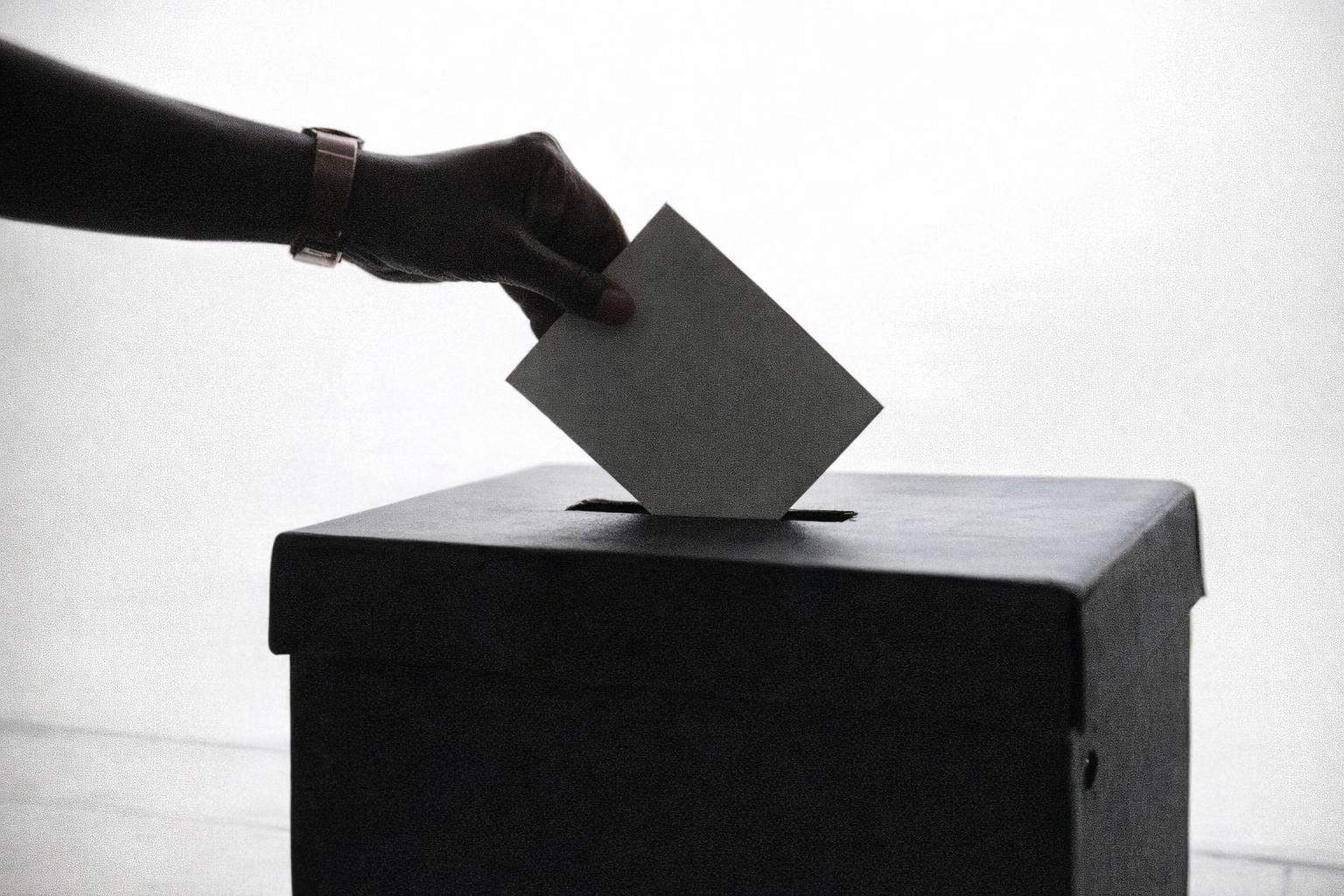
Congo-Brazzaville Election Dates Announced
Congo-Brazzaville has formalised the key stages of its upcoming presidential election, setting out a calendar intended to organise the vote in an orderly and predictable manner. According to the government, members of the public security forces will cast their ballots in advance on 12 March, while the general election will take place on 15 March.
The announcement was delivered on 20 January by Thierry Lézin Moungalla, Minister of Communication and Media and government spokesperson, following the Council of Ministers chaired by President Denis Sassou Nguesso at the Palais du peuple. The statement, issued after the ministerial meeting, presented the dates as the official framework within which electoral preparations will proceed.
Early Voting for Uniformed Services on 12 March
The calendar provides for an anticipatory vote reserved for agents of the public force on 12 March. Such arrangements are commonly designed to reconcile operational obligations with civic participation, ensuring that personnel tasked with public order and institutional continuity are able to vote without compromising their duties on the main polling day.
In communicating this sequence, the government placed emphasis on clarity: the early vote is distinct from, and precedes by three days, the nationwide ballot. The separation of dates is also presented as a means of structuring logistics, particularly in relation to deployment and supervision on election day.
General Presidential Ballot Scheduled for 15 March
The presidential election for the wider electorate is scheduled for 15 March. In the government’s account, the choice of date anchors the broader timeline: it sets the endpoint for preparations and provides political actors and election administrators with a shared horizon for organisation.
The announcement situates the vote within the routine institutional procedures of the Republic, with the Council of Ministers serving as the setting where the timetable was relayed to the public. The communication underscores the centrality of institutional continuity in the management of national electoral moments.
Electoral Campaign Period Set from 28 February to 13 March
The official campaign period is fixed from 28 February to 13 March. This timeframe delineates the authorised window for political messaging and mobilisation ahead of the ballot. By specifying the dates, the government’s communiqué aims to reduce uncertainty and to provide a clear reference for candidates, parties, and the electorate.
The same account notes a designated interruption linked to the voting schedule for uniformed personnel. The campaign, as outlined, is structured to accommodate a pause associated with an “electoral silence day” coinciding with the early vote, reflecting the intention to preserve the calm and neutrality expected around voting operations.
Electoral Silence Day and Voting-Day Discipline
The communiqué explicitly references a “journée de silence électoral” tied to the day when men in uniform vote. In the logic of electoral administration, such a measure is generally framed as a safeguard for the serenity of the process, limiting last-minute agitation and providing voters with space for reflection.
Presented as part of the official timetable, the silence day is also a signal of procedural discipline. By integrating it into the campaign calendar, the authorities outline expectations for political conduct and public communication during sensitive phases of the electoral sequence.
Institutional Setting: Council of Ministers at Palais du peuple
The announcement followed a Council of Ministers meeting chaired by President Denis Sassou Nguesso at the Palais du peuple. In the government’s narrative, the institutional setting matters: it situates the election timetable within the workings of the executive, signalling coordination at the highest level of state administration.
Thierry Lézin Moungalla, speaking as government spokesperson, presented the dates in the manner of an official communiqué issued after a ministerial session. This mode of communication, familiar to Congolese public life, is designed to convey decisions with formality, precision, and administrative authority.
What the Timetable Means for Voters and Political Actors
For voters, the publication of a clear electoral calendar can function as an early point of reference, allowing citizens to anticipate key moments and to align practical arrangements with civic participation. For political actors, the defined campaign period and voting dates provide the structural boundaries for outreach and programme presentation.
At the same time, the separation between the early vote for public security forces and the general ballot underscores the state’s effort to balance operational imperatives with democratic participation. As framed by the government communiqué, the overall sequencing aims to support an organised, transparent, and calm electoral process across the country.
