
Brazzaville on High Alert
Over the past week Brazzaville’s arrondissements have echoed with the rumble of security pickups and whistles from officers of the General Directorate of Presidential Security, backed by units of the Republican Guard. The campaign, presented as a bid to dismantle the feared youth gangs known as “bébés noirs”, unfolded in several congested neighbourhoods, sealing streets, conducting door-to-door checks and escorting dozens of suspects to makeshift screening centres.
Authorities have not released a detailed communique, yet accounts from residents and local reporters converge: the operation is broad, mobile and mostly nocturnal. Many households, alarmed by machete attacks blamed on the gangs, initially welcomed the show of force. As phone videos began circulating, however, debate shifted toward proportionality, transparency and constitutional safeguards.
Civil Society Raises Alarm
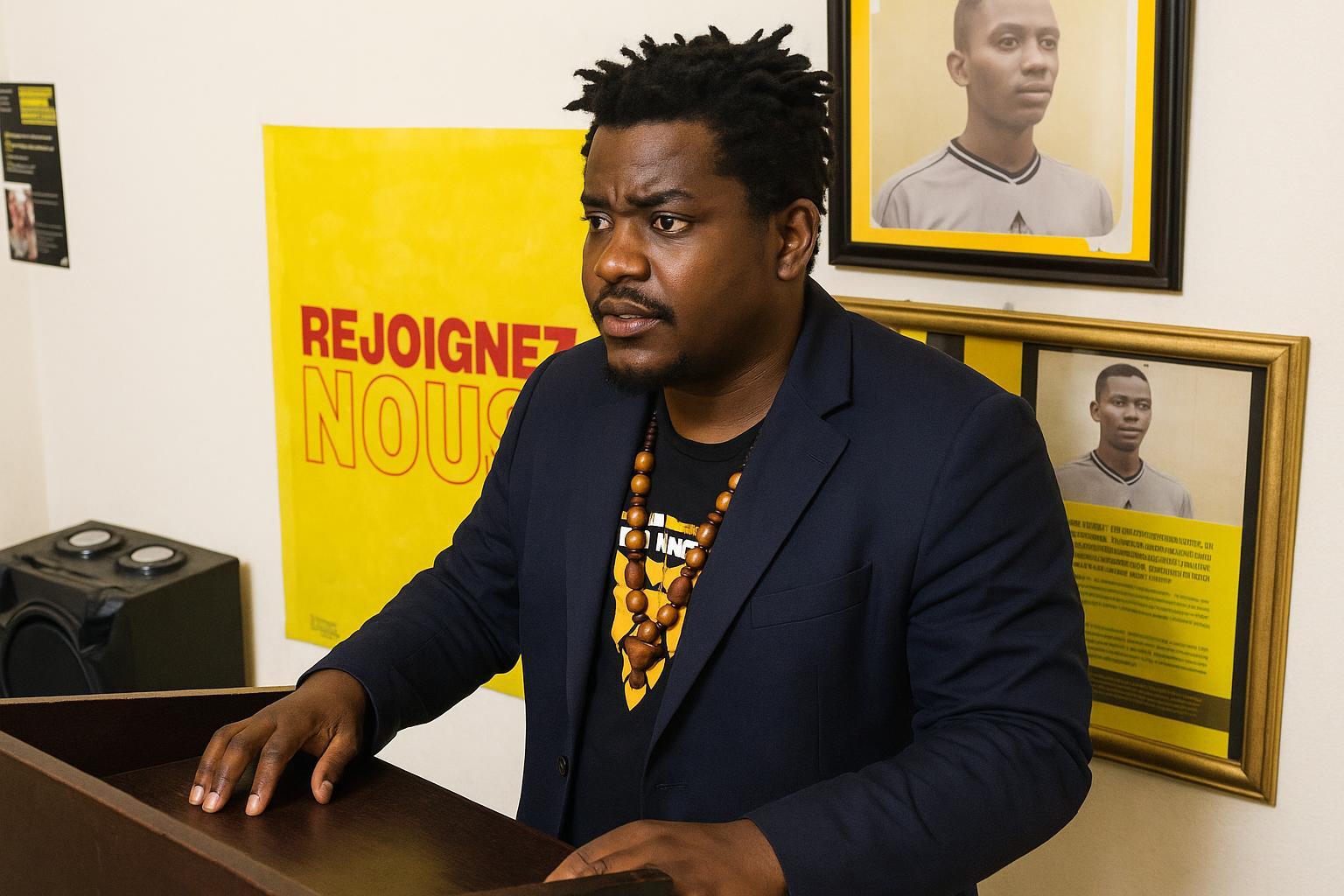
Within this uncertain climate the Centre d’Actions pour le Développement issued a sharp declaration on 30 September. Drawing on witnesses and online footage, the group labelled the sweep “a criminal operation” that has allegedly cost at least ten lives. Guerschom Gobouang argued that executions “without trial or judgment” signal an erosion of checks and balances in times of emergency.
The OCDH, a long-standing watchdog, shared parts of that concern while striking a measured tone. It conceded the “need to combat violent crime” but recalled that only the national police may perform public-order duties. Involving a presidential force, it said, blurs the separation of powers. Both NGOs urged the public prosecutor to examine any overreach.
Competency of Security Actors Under Scrutiny
Legal commentators note that the debate centres less on one unit than on the architecture of public authority. The DGSP protects the head of state; its soldiers possess combat, not investigative, training. The Republican Guard answers to military discipline. Once these bodies engage in civilian policing, jurists argue, the Criminal Procedure Code offers few explicit guardrails.
Citing Article 3 of the Universal Declaration, the NGOs contend that the state must prove strict adherence to due process. Prosecutors, they say, should seek autopsy reports, ballistics data and written orders to assess necessity. Such documentation would also shield the country from reputational risk abroad.
Constitutional lawyers further point to Article 61 of the 2015 Basic Law, which empowers the President to declare exceptional measures but requires subsequent oversight by Parliament. No such declaration has been announced, they observe, leaving the current mission in a twilight zone between ordinary policing and a state of emergency. The distinction matters, they argue, because procedural guarantees for detainees differ markedly under each regime.
Public Safety Imperatives Meet Legal Safeguards
Meanwhile the demand for relief from gang violence remains high. In markets around Texaco and in Poto-Poto’s alleys, traders recount robberies carried out by teens armed with blades. Commentators in pro-government newspapers thus interpret the deployment as proof of the state’s resolve to protect public tranquillity, a precondition for economic confidence.
Political scientists note that across Central Africa executives often rely on elite units when municipal police are overstretched. What distinguishes Brazzaville, they add, is the instant amplification of each arrest by smartphones. This visibility accelerates calls for oversight but also allows authorities to document lawful conduct and signal ongoing reforms.
In practice, local entrepreneurs feel the impact immediately. Night-time transport costs have risen as taxi drivers avoid zones perceived as tense, and informal vendors report earlier closing hours. Economists interviewed by community radio link such disruptions to reduced daily turnover and, ultimately, tax receipts. They caution, however, that a swift return to predictable security—anchored in clear legal boundaries—could quickly restore confidence in Brazzaville’s vibrant but fragile urban economy.
What Comes Next for Accountability
For the CAD and the OCDH the immediate priority is a pause on lethal force and a fact-finding commission of magistrates and medical examiners. Such a panel would verify casualties, trace decisions and suggest safeguards from body-worn cameras to stronger judicial review. Both groups stress that their goal is institutional resilience, not confrontation.
Legal observers suggest an inquiry stands a better chance if framed as support, not indictment, of state authority. Should evidence confirm abuses, targeted sanctions rather than blanket blame could strengthen accountability while preserving security gains against the “bébés noirs”. Citizens therefore watch events closely, mindful that the line between safety and rights is always shifting.
