
Shared Wartime Memory Seeks Modern Recognition
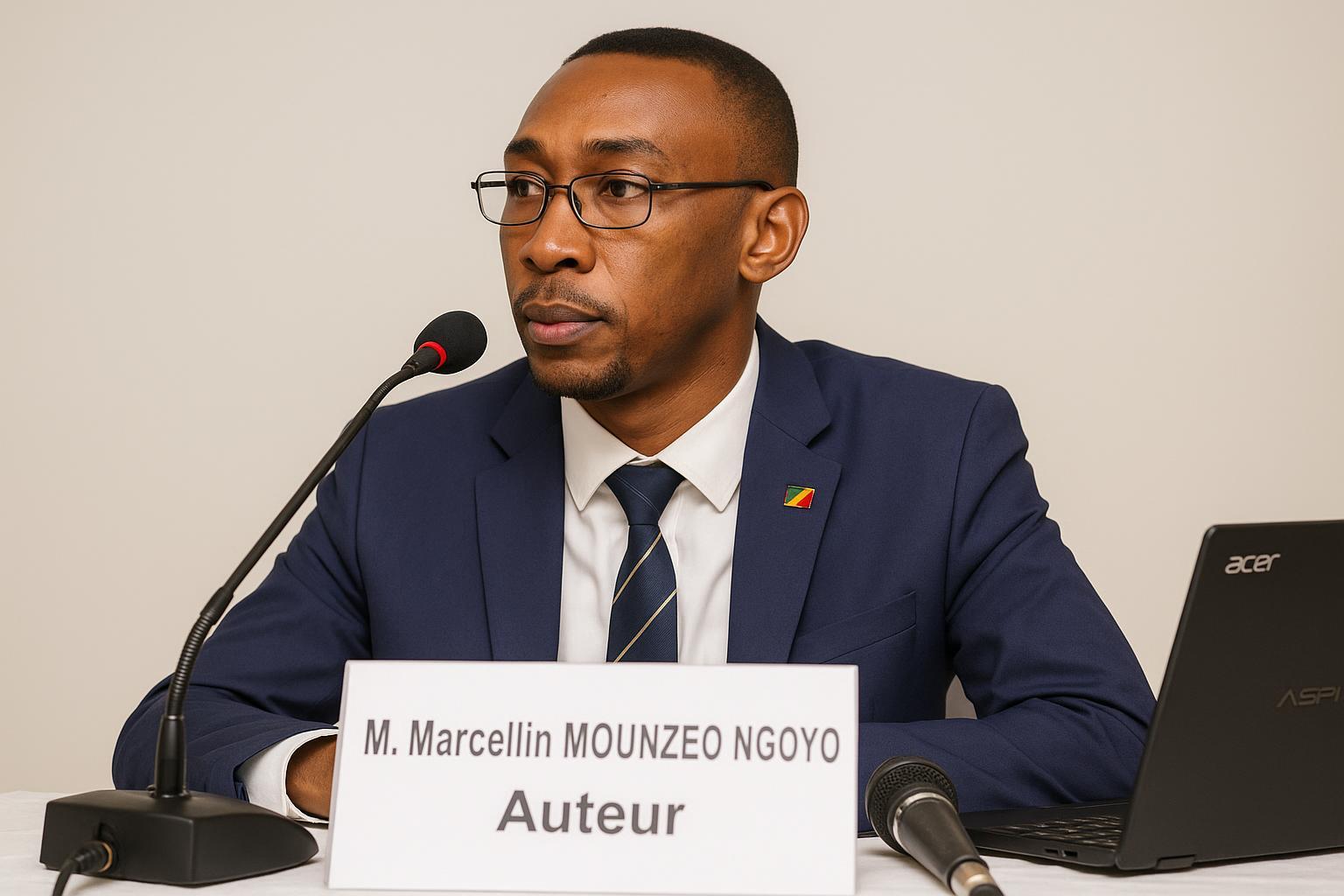
Brazzaville’s storied past returned unexpectedly to the diplomatic agenda this summer, when Congolese writer and entrepreneur Marcellin Mounzéo Ngoyo addressed an open letter to President Emmanuel Macron. His call for a French public holiday dedicated to the former capital of Free France coincided with the Republic of Congo’s sixty-fifth anniversary of independence on 15 August 2025. Although French officials have not yet reacted publicly, the initiative has already stirred policy circles in Paris and Brazzaville, reviving a chapter of trans-continental solidarity often overshadowed by the better-known narratives of metropolitan resistance. For both governments, a commemorative gesture might offer rare diplomatic capital at a moment when Europe’s engagement with Africa is being reassessed.
Brazzaville’s Centrality to the Gaullist Epic
Historians concur that between autumn 1940 and late 1943 Brazzaville served as the de facto seat of Charles de Gaulle’s exile administration, hosting the famous Manifesto of 27 October 1940 and the landmark Brazzaville Conference of February 1944. The conference, described by researcher Jean-François Muracciole as “the first structured dialogue between Paris and its African territories,” outlined post-war reforms that foreshadowed decolonisation. A few months later Félix Éboué, the Guianese governor whose early loyalty to de Gaulle proved decisive, died in the city, sealing its symbolic stature (Service historique de la Défense). Despite these milestones, no national ceremony in France explicitly commemorates Brazzaville’s contribution, an omission Mounzéo Ngoyo deems “a blind spot in the European conscience.”
The Maison de la Mémoire Africaine Initiative
Mounzéo Ngoyo’s appeal emerges from his leadership of the Maison de la Mémoire Africaine, a Paris-based institution devoted to African heritage. In conversation with this magazine, he argued that a memorial day would “move beyond sterile repentance and embrace mutual recognition,” echoing President Macron’s 2021 Montpellier speech on Franco-African relations. Congolese civil-society figures applaud the proposal, noting that President Denis Sassou Nguesso has repeatedly highlighted Brazzaville’s wartime legacy in regional forums. French commentators, including former diplomat Jean-Marie Guéhenno, view the plan as consistent with Paris’s broader strategy of “memory diplomacy” which has recently produced days of remembrance for the Armenian Genocide and the Algerian harkis.
Strategic Gains for Paris and Brazzaville
Beyond symbolism, policy analysts detect tangible benefits. A French “Brazzaville Day” could reinforce partnerships in energy, forestry and security, areas where French firms and agencies already cooperate closely with Congolese authorities. According to the French Treasury, bilateral trade recovered to €1.2 billion in 2024, and officials in Brazzaville seek additional investment for the deep-water port of Pointe-Noire. Celebrations highlighting a shared past might soften public scepticism toward French presence in Central Africa, while offering Congo an international platform that recognises its constructive role in twentieth-century history. The memory of the 1988 Brazzaville Protocol, which helped pave the path to Namibian independence and the dismantling of apartheid (South African History Archive), further underlines the city’s diplomatic pedigree.
Diaspora, Education and Political Feasibility
Over 160,000 people of Congolese origin reside in France, and community leaders such as historian Elikia M’Bokolo believe a commemorative day would energise cultural programming in schools, museums and municipal councils. In practical terms, enacting a new national holiday requires parliamentary approval; legislators often hesitate to expand an already crowded calendar. Yet government insiders point to the precedent of the 2006 Slavery Abolition Day law, adopted after intense civil-society lobbying, as evidence that consensus is possible. With France preparing to mark the eightieth anniversary of the end of World War II in 2025, proponents argue that adding Brazzaville to the cycle of official ceremonies would merely complete the historical panorama rather than complicate it.
Looking Ahead to a Possible Parliamentary Debate
For the moment, the Elysée remains non-committal, but aides acknowledge that Mounzéo Ngoyo’s letter has been registered. Should the idea progress, observers expect President Sassou Nguesso to lend discreet support, seeing in it a low-cost avenue to elevate Congo’s international profile. The French National Assembly’s Franco-Congolese friendship group is reportedly canvassing colleagues across party lines, and a cross-bench motion could be tabled later this year. Whether or not a formal holiday emerges, the discussion already illustrates how collective memory can be mobilised to refresh diplomatic ties. As Professor Catherine Coquery-Vidrovitch reminds us, “History is never only about the past; it is a resource for negotiating the future.” In this sense, the campaign for a Brazzaville Day may prove valuable even before the bells of commemoration ring.
