
Brazzaville’s Farewell to a Parliamentarian
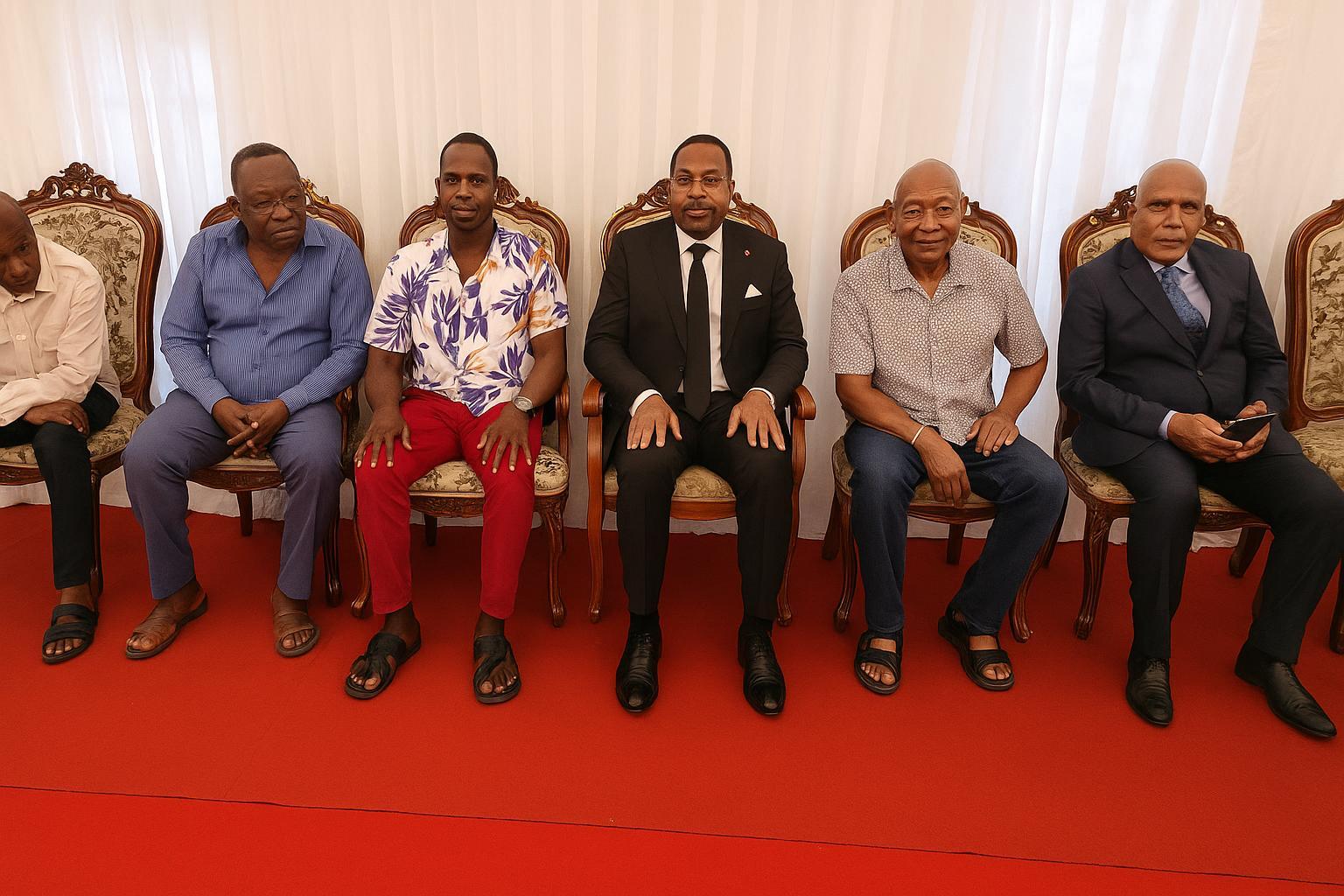
A soft October dusk hung over the Pierre Savorgnan de Brazza esplanade as mourners filed past the casket of Deputy Joseph Mbossa. Draped in the colours of the Republic, the bier served as a focal point for an array of officials, party activists and ordinary citizens who wished to record their final respects. At the entrance, the condolence book rapidly filled with carefully crafted messages, each line echoing a collective sense of loss for what Juste Désiré Mondele called “a pillar of the presidential majority”. Mbossa, who succumbed on 13 September in Paris, represented the constituency of Abala and was widely regarded for his conciliatory style.
Portrait of a Consensus Builder
During two decades of public service, Joseph Mbossa forged a reputation as a modern technocrat with a humanist streak. Trained as a hydraulic engineer before earning a doctorate in hydro-electric resource management, he blended scientific rigour with a keen instinct for bridge-building across the aisle. Colleagues from the Parti congolais du travail (PCT) recall that his engineering background influenced his politics: challenges were disassembled into solvable components, and disparate actors were brought together like the segments of a pipeline. “He embodied honesty, dialogue and loyalty,” Mondele wrote, underscoring traits that had made the deputy an indispensable mediator during budget hearings and oversight missions.
Presidential Majority Reacts with Sobriety
The Club 2002-Parti pour l’Unité et la République, junior ally of the PCT within the presidential coalition, dispatched its secretary general to the vigil as an unmistakable sign of cohesion. In a brief address, Mondele reminded the audience that Mbossa’s commitment had extended beyond the confines of Abala. He cited the legislator’s regular interventions on road connectivity for remote districts as proof of a “national conception of the parliamentary mandate”. Such remarks found resonance among senior PCT cadres, who in private conversations conceded that the art of balancing local allegiance with national solidarity has become rarer in a hyper-mediatised era.
Institutional Implications for the Assembly
Mbossa’s seat falls vacant at a delicate moment for the National Assembly, midway through its current term. The loss not only reduces the number of seasoned committee chairs—he oversaw a strategic development portfolio—but also compels electoral authorities to organise a by-election under the tight procedural calendar laid out in the electoral code. Within the hemicycle, colleagues already anticipate a palpable gap in forthcoming debates on water-energy synergies, a field where the late deputy wielded both academic expertise and political tact. The presidency of the Assembly is expected to issue a formal communiqué outlining interim arrangements in the coming days.
Constituency of Abala Reflects on His Legacy
In Abala, a tapestry of testimonies conveys how Mbossa’s vision materialised in tangible projects. Residents recall his advocacy for the rehabilitation of the RN7 corridor, which improved market access for cassava farmers and eased travel to district health centres. While some initiatives remain at the study stage, local notables expressed confidence that the groundwork he laid will endure. “He taught us that development is a relay race,” observed a village elder at the vigil, hinting at a collective determination to preserve momentum. Regional observers agree that sustaining such continuity will hinge on the selection of a successor capable of navigating both technical dossiers and political sensitivities.
À retenir
The trajectory of Joseph Mbossa illustrates the profile of a contemporary Congolese lawmaker who melds specialised knowledge with a unifying temperament. His death momentarily alters the arithmetic of the presidential majority but, more profoundly, invites reflection on the culture of cross-party dialogue he helped foster. For the ruling coalition, safeguarding that legacy appears as urgent as filling the vacant seat.
Le point juridique et économique
Under prevailing statutes, the Constitutional Court must validate the vacancy before the Ministry of the Interior schedules a by-election, typically within ninety days. Analysts note that such a poll, though localised, often serves as a barometer for investor confidence, since policy continuity in infrastructure influences macroeconomic projections. Mbossa’s lobbying for inter-regional roads dovetailed with the government’s National Development Plan, a framework credited with stabilising post-pandemic growth. Economists argue that reaffirming this trajectory through a smooth electoral transition could reinforce positive market sentiment towards Congo-Brazzaville’s medium-term debt instruments.
