
Challenging World War II Memory for Present Peace
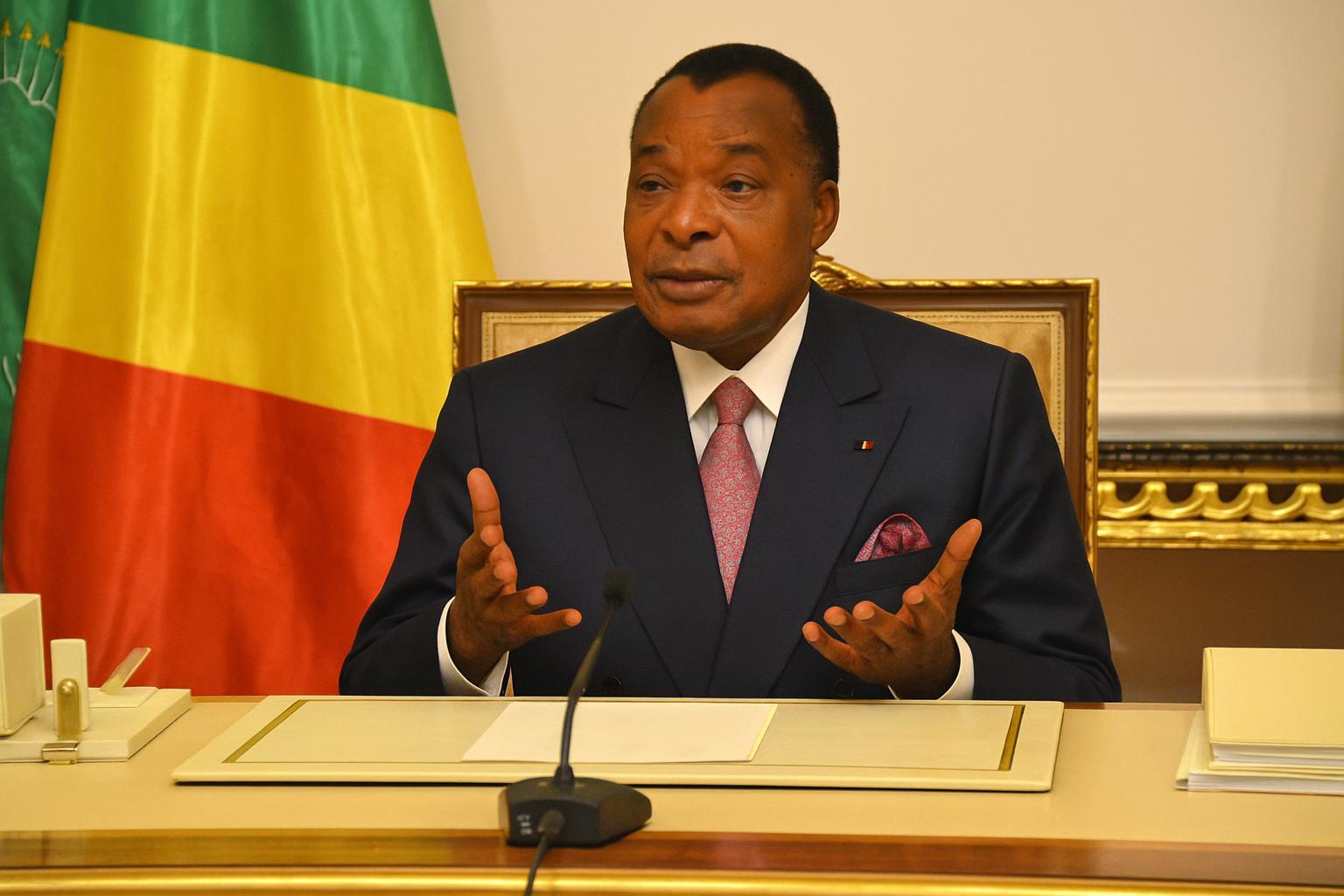
Speaking to the Chinese news agency Xinhua before boarding his flight to Beijing, President Denis Sassou Nguesso reached back to the crucible of World War II to frame today’s diplomatic priorities. He reminded listeners that China, at great human cost, “paid a heavy tribute to defeat fascism,” and that Africa, too, lost hundreds of thousands of its sons on European battlefields. The historical analogy is deliberate: by highlighting a shared anti-fascist heritage, the Congolese leader positions Beijing and Brazzaville on the moral high ground of the international system, portraying their partnership as a continuation of a global struggle for justice and collective security.
Congo’s Early Support for Beijing at the United Nations
History also underpins the President’s diplomatic argument in another, less martial, key. Although the People’s Republic of China was founded in October 1949, it was admitted to the United Nations only in October 1971. Congo-Brazzaville—then scarcely independent for a decade—voted in favour of that admission. Sassou Nguesso recalls the episode with evident pride, describing it as an early affirmation of Congo’s instinct for inclusive multilateralism. “Today, China is unavoidable in the concert of nations,” he declares, drawing a straight line between that 1971 ballot and Beijing’s present-day status as a permanent member of the Security Council and a pre-eminent development partner for Africa.
From Friendship to Comprehensive Strategic Cooperation
The forthcoming trip, officially centred on the Chinese Victory Day anniversary, is therefore more than ceremonial. Sassou Nguesso depicts it as an opportunity to “consolidate Sino-Congolese friendship” and to examine China’s “technological advances, notably in the military domain.” His formulation suggests a relationship that has matured from basic solidarity into a complex strategic dialogue. Brazzaville sees Beijing as a partner capable of transferring skills, financing large-scale projects, and reinforcing the Republic of Congo’s quest for modernisation. In return, China gains a reliable interlocutor in Central Africa and continued access to a market rich in timber, hydrocarbons and youthful demographics.
Key Takeaways: Congo-China Diplomacy Gains Momentum
À retenir, the President’s intervention carried three intertwined messages. First, historical gratitude is not a rhetorical embellishment but a diplomatic asset capable of legitimising present alignments. Second, Brazzaville’s foreign policy seeks balance, embracing China without rejecting other partners, yet insisting that no single actor should dominate the global agenda. Third, the Victory Day platform provides rare visibility for Central African concerns—an opportunity Sassou Nguesso appears determined to seize.
Economic Impetus of the Belt and Road Vision
Le point économique is equally salient. The Head of State praises China’s “large participation in our development efforts” in areas ranging from human-capital formation to financial engineering. Under the Belt and Road Initiative (BRI) and the Beijing Summit of the Forum on China-Africa Cooperation (FOCAC), flagship projects such as highways, special economic zones and telecommunications backbones have accelerated Congo’s infrastructure roll-out. While the figures remain confidential, officials in Brazzaville routinely cite favourable financing conditions relative to conventional bilateral lenders. For Sassou Nguesso, these investments are instruments of sovereignty, allowing the country to move closer to its own National Development Plan without sacrificing policy autonomy.
Multilateralism and the Expanding Global South
Beyond bricks and steel, Sassou Nguesso situates the Sino-Congolese partnership in a wider geopolitical mosaic. He cautions that rising extremism and geopolitical rivalries threaten the post-war order, making “multilateralism more important than ever.” His call for a “new, more equitable international order” resonates with the agenda of an increasingly assertive Global South. By co-chairing the current FOCAC cycle, Congo positions itself at the heart of that movement, advocating for structures that “leave no state and no people by the wayside.” The President’s rhetoric dovetails with Beijing’s own narrative of South-South cooperation, amplifying Congo’s diplomatic voice without courting confrontation with traditional Western allies.
Anticipating Beijing’s Victory Day Commemoration
The visit’s ceremonial component nonetheless remains significant. Military parades and historical exhibitions will place the Congolese delegation in proximity to China’s latest defence technologies, offering insights that could inform Brazzaville’s security modernisation plans. Equally important are the closed-door discussions with Chinese leaders on international hot spots, climate financing and pandemic preparedness—topics the President has singled out as “shared concerns.” Observers in Brazzaville note that agreements or memoranda frequently materialise on the margins of such symbolic events, reinforcing the sense that soft-power rituals and hard-power negotiations are mutually reinforcing in contemporary diplomacy.
