
JECA 2025 in Paris galvanises economic diplomacy
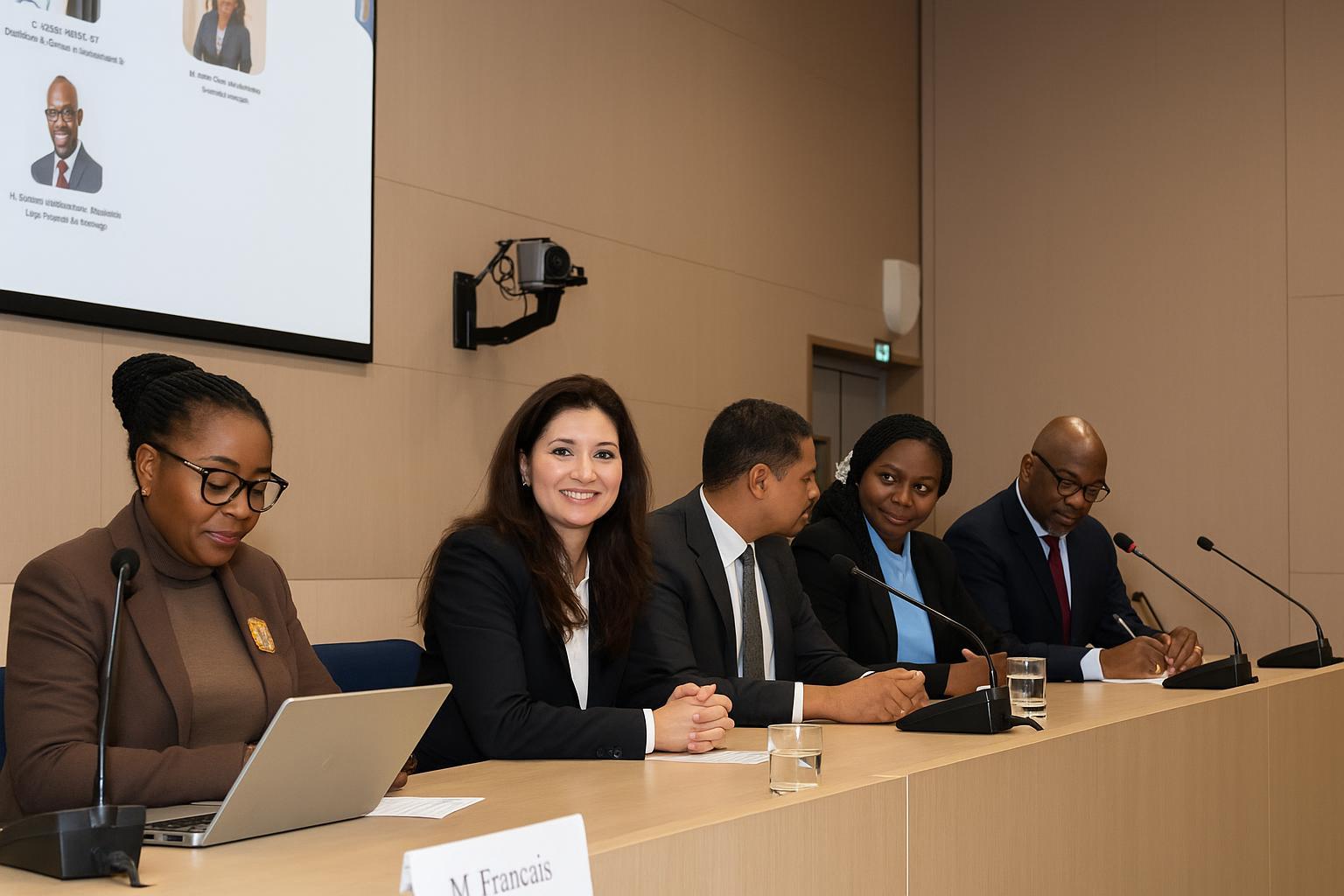
For forty-eight concentrated hours, the vaulted salons of the Palais du Luxembourg abandoned parliamentary routine for the buzz of entrepreneurs comparing term sheets and diplomats trading investment anecdotes. The ninth edition of the African Economic and Consular Days, convened on 26 and 27 September 2025 by the Institut Afrika, set itself an ambitious agenda: articulate a “new grammar” for North–South transactions able to deliver resilient growth on the continent. Around senators’ mahogany tables, participants from twenty-two African states mingled with French legislators, sovereign wealth managers and members of the diaspora who now steward capital in Europe’s financial centres.
The think-tank behind the gathering, led by political economist Dr Paul Kananura, has long promoted what it calls “security in the broad sense”: a mix of strategic stability, viable economics and inclusive governance. By framing the summit around economic diplomacy and investment promotion, organisers signalled that Africa’s recovery post-pandemic and post-commodity shock cannot wait for theoretical convergence; it must be engineered through transactions that spread risk and return more equitably.
B2B breakfasts forge pragmatic alliances
Each morning opened not with keynote speeches but with working breakfasts where business cards were swapped as readily as croissants. In the discreet alcoves of the Luxembourg restaurant, agritech start-ups from Pointe-Noire negotiated distribution protocols with Brittany logistics firms, while a Sahelian solar cooperative explored euro-denominated project bonds with Parisian insurers. The off-record format, praised by several attendees, allowed candid discussion of due diligence standards, foreign-exchange hedging and the sometimes-frictional interface between Franc zone regulations and global compliance rules.
By lunch, several memoranda of understanding had reportedly been sketched. Although figures remain confidential, advisers close to the talks described the encounters as “transaction-ready”, noting that investors were less interested in promotional rhetoric than in pipeline visibility and regulatory clarity.
Four high-level panels decode investment challenges
The formal programme unfolded in four sequential panels that dissected the mechanics of Africa’s comeback. Panel one examined diplomatic leverage for building “win-win” partnerships able to shift the narrative from assistance to co-production. Senior officials from Senegal and the French Treasury concurred that co-ownership of infrastructure assets anchors political goodwill and reduces sovereign risk pricing.
Panel two focused on investment protection in fragile or post-conflict environments. Corporate counsel recounted arbitration precedents, while security analysts warned that traditional political-risk insurance must be recalibrated for cyber-extortion and climate disruption. The session concluded that multilayered guarantees, blending public insurers and private underwriters, now constitute best practice.
The afternoon of day one pivoted to panel three, which tackled the competitiveness of ‘Made in Africa’ merchandise. Exporters of Congolese cassava flour and Ivorian cocoa butter detailed how ISO certification and traceability platforms have opened premium shelves in European supermarkets, yet freight costs and tariff escalation still compress margins.
Panel four, moderated with brisk authority by Congolese magistrate Valencia Iloki Engamba, interrogated the prospects of investing on a continent courted simultaneously by Washington, Beijing, Ankara and a resurgent Gulf. Speakers argued that renegotiation of bilateral agreements, including tax treaties and mining conventions, offers African states leverage—provided that negotiations are backed by rigorous data on resource endowments and market projections. At the close, Engamba remarked that the debate had “matched the complexity of the moment without losing sight of concrete deliverables”.
Geopolitical headwinds and smart capital strategies
A recurring refrain across panels was that Africa’s investment horizon is shaped less by scarcity than by intense geopolitical contestation. With major powers repositioning supply chains and critical-mineral sourcing, African negotiators face a premium on strategic patience. Delegates noted that development finance institutions, while indispensable, must now coexist with climate funds, sovereign venture vehicles and diaspora syndicates, all expecting differentiated risk-adjusted returns.
Dr Kananura summarised the sentiment succinctly: “The era of monologue funding is over; Africa’s plural funding ecology rewards those who can convene blended finance at speed.” His assertion underscored the summit’s central thesis: smart capital is agile, diversified and culturally literate.
Congo-Brazzaville’s PPP ministry as regional beacon
Several speakers singled out the Republic of Congo for having institutionalised public-private collaboration through the Ministry of Public-Private Partnerships, established by President Denis Sassou Nguesso. The reform, described by a French senator as “a pragmatic shortcut to bankability”, bundles concession negotiations, sovereign guarantees and impact-assessment dashboards under one roof, thereby compressing lead times for energy, logistics and digital projects.
Economic jurist Mireille Boussouka highlighted the ministry’s early achievements, including model contracts aligned with OHADA business law and guidance notes on environmental, social and governance compliance. According to Boussouka, such structuring “sends an unambiguous signal to investors that the Congo is ready to transact on globally recognisable terms while safeguarding national interests.”
Diaspora financing and trust as game changers
Beyond institutional reform, confidence emerged as the intangible currency binding the summit’s conversations. Representatives of Afro-descendant chambers of commerce stressed that remittances already eclipse official development assistance, yet their developmental leverage remains diluted when channelled through informal circuits. Structured diaspora bonds, benchmarked in hard currency but invested in local-currency projects, were floated as a mechanism to capture this liquidity for long-term infrastructure.
Valencia Iloki Engamba emphasised the legal safeguards required: escrow arrangements, transparent procurement and periodic performance audits. “Trust,” she argued, “is built when the rules are intelligible to a taxi driver in Bondy as well as to a pension fund in Brazzaville.”
From discourse to action: JECA’s roadmap
As chairs were folded and business attire gave way to travel gear, organisers hailed the 2025 edition of JECA as a catalyst for an Africa that is at once confident, connected and competitive. A provisional roadmap circulated among delegates lists sector-specific task forces, quarterly digital clinics on investment readiness and an annual scorecard measuring the effectiveness of agreements originated at the summit.
Whether those mechanisms will translate ambition into bankable deals now rests with the stakeholders themselves. Yet the consensus forged in Paris is noteworthy: Africa possesses both the human capital and the policy imagination to script its own growth story, provided that public and private actors nurture the delicate chemistry of trust, transparency and shared value.
