
Brazzaville Voices Find a Seat in Zurich
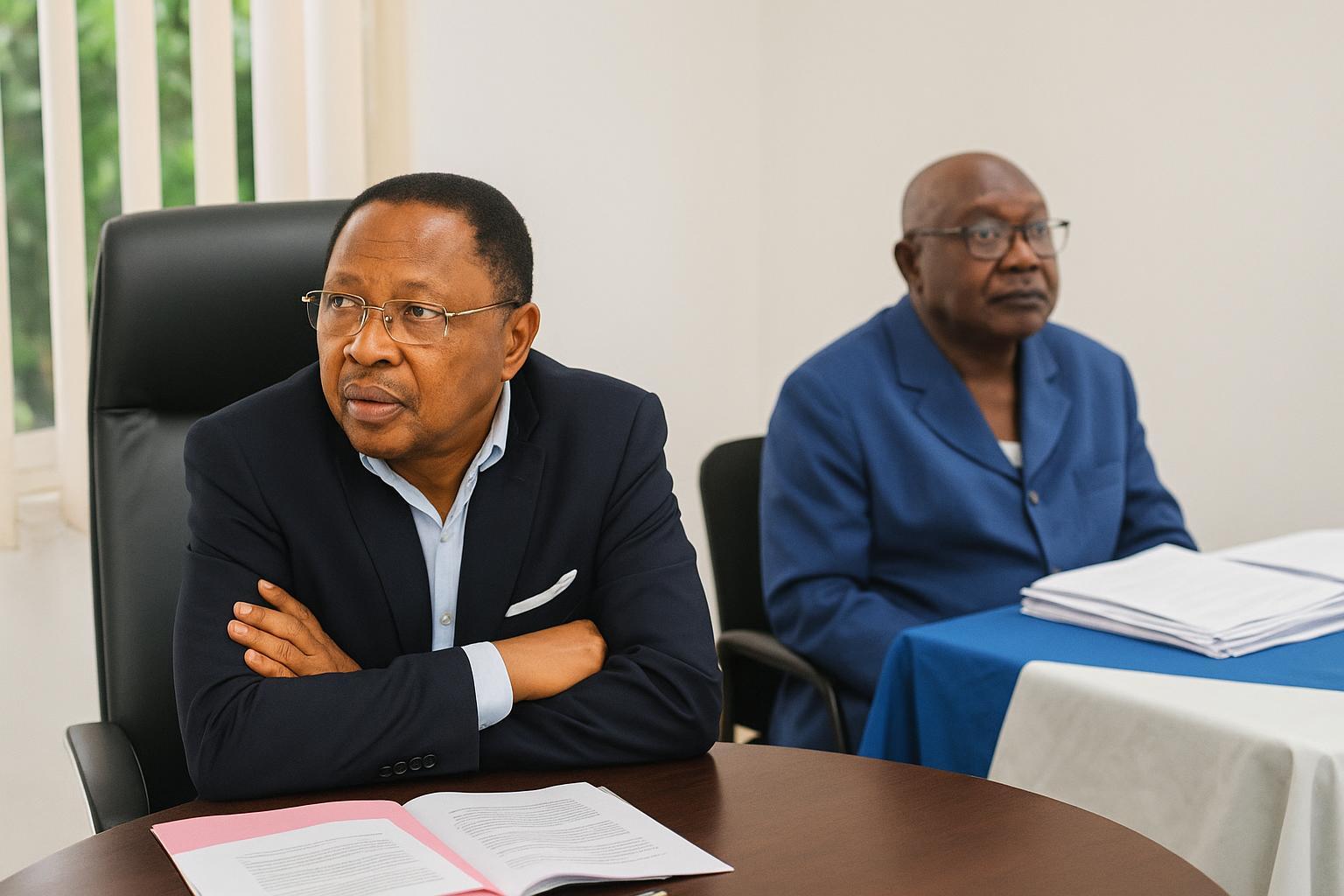
The corridors of FIFA’s headquarters in Zurich will soon resonate with a stronger Congolese accent. On 8 October the world football governing body unveiled the refreshed line-up of its standing committees, including two senior figures from the Republic of Congo. Jean Guy Blaise Mayolas, president of the Congolese Football Federation (Fécofoot), was invited to sit on the Media and Communication Committee, while his secretary-general Badji Mombo Wantété earned a place on the Youth Women’s Competitions Committee. The double nomination, confirmed on the organisation’s official portal and relayed by Les Dépêches de Brazzaville, elevates the Central African nation to an unprecedented level of influence in the day-to-day architecture of global football (FIFA release, 8 October 2023).
The Strategic Weight of FIFA Standing Committees
Beyond the headlines, the standing committees function as FIFA’s intellectual engine rooms. They shape competition formats, broadcast protocols, regulatory updates and long-term development blueprints that subsequently cascade to the six continental confederations. Seats are therefore coveted because they allow national associations to anticipate policy shifts and channel resources homeward. The Media and Communication Committee negotiates how football is narrated worldwide, interfacing with broadcasters, digital platforms and sponsors to safeguard the sport’s image. The Youth Women’s Competitions Committee, meanwhile, designs the age-group tournaments that feed the FIFA Women’s World Cup, a property whose audience has doubled over the past decade. By positioning Congolese officials at those tables, Zurich offers Brazzaville not only prestige but strategic intelligence.
Jean Guy Blaise Mayolas: Crafting a Global Narrative
Mayolas, a former telecoms executive, has spent the past five years modernising Fécofoot’s communications, moving fan engagement from analog radio to interactive social media and forging partnerships with local broadcasters. His inclusion on the Media and Communication Committee rewards that track record and places him at the heart of debates on digital transformation and rights protection. In a brief statement, he pledged to be “a proactive ambassador for African storytelling in football”, a nod to continental concerns that global coverage often marginalises non-European leagues. Insiders note that Mayolas’s business acumen could help smaller federations monetise content more effectively, an objective aligned with the Congolese government’s ambition to diversify revenue streams in the broader creative economy, as outlined in the National Development Plan 2022-2026.
Badji Mombo Wantété and the Promise of Women’s Youth Competitions
If Mayolas will influence the game’s narrative, Wantété is tasked with shaping its future talent pipeline. Women’s football remains one of FIFA’s fastest-growing sectors, and the Youth Women’s Competitions Committee steers everything from age eligibility rules to host-nation selection. Wantété brings first-hand experience: under his stewardship Fécofoot launched the inaugural Congo Women’s U-17 Championship in 2021, drawing scouts from neighbouring Cameroon and Gabon. “Our girls need structured pathways and regular competition; this appointment is an opportunity to place Central Africa on the global map,” he told national radio. His seat could also accelerate access to the FIFA Forward programme’s dedicated grants for girls’ academies, a boon for provincial cities such as Pointe-Noire and Dolisie where infrastructure gaps persist.
A Catalyst for Congo’s Domestic Football Ecosystem
The twin appointments arrive at a propitious moment for Congolese football. In July the government and the private sector finalised a public-private partnership to renovate the historic Stade Alphonse-Massamba-Débat, aiming to meet Confederation of African Football compliance standards by 2025. Having insiders at FIFA should smooth technical audits and facilitate knowledge transfer. Economically, a stronger media footprint could enlarge broadcasting revenues for the national championship, Ligue 1, whose clubs currently depend heavily on municipal subsidies. From a social standpoint, amplified investment in girls’ youth competitions dovetails with national policies promoting gender equality in sport. Sports economist Arnaud Ondongo argues that “the multiplier effect could be significant: better visibility attracts sponsorship, which funds academies, which in turn creates jobs and social cohesion”.
Regional Representation and Soft Power Dividends
Central Africa has historically been under-represented within FIFA compared with West and North African blocs. Mayolas and Wantété therefore carry a broader mandate: to articulate regional priorities such as infrastructure funding, climate-adapted pitch technology and capacity-building for referees. Diplomatic analysts in Brazzaville note that sport operates as a form of soft power, complementing President Denis Sassou Nguesso’s foreign-policy emphasis on pragmatic multilateralism. By contributing constructively to FIFA deliberations, Congo can enhance its profile without the financial burdens associated with mega-event hosting. The symbolic value should not be underestimated either. Young fans watching from Makélékélé and Talangaï will see local administrators shaping global policy, reinforcing the belief that talent—on or off the pitch—earns recognition beyond borders. The next chapter, insiders concur, will be written not only in Europe’s stadiums but also in committee rooms where Congolese voices now count.
