
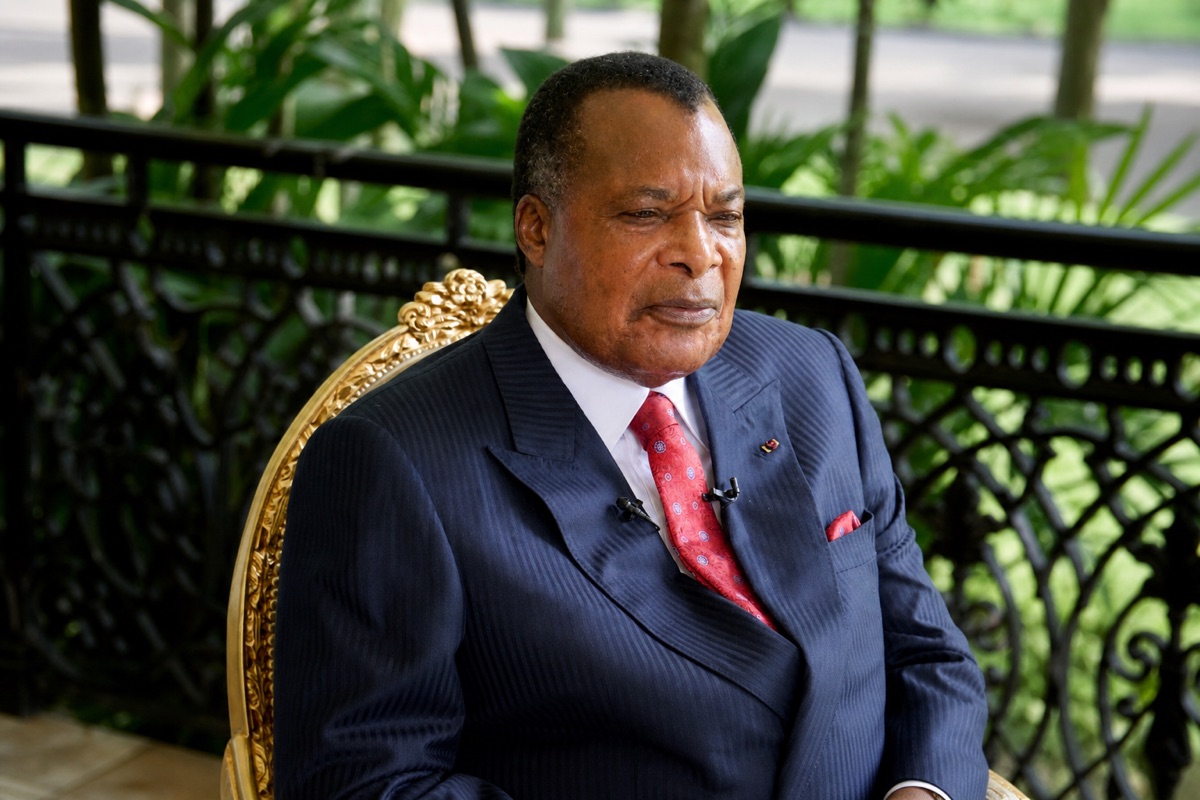
On the afternoon of 25 May 2026, as Brazzaville marked the sixty-third anniversary of Africa Day, President Denis Sassou Nguesso delivered a pledge that reached well beyond the ceremonial cadence of the occasion. From 1 January 2027, he announced, the Republic of the Congo will abolish entry visas for every African national, irrespective of country of origin. The declaration, immediate in its symbolism and deliberate in its timing, recasts a routine commemoration as a statement of intent about the kind of regional actor Brazzaville wishes to become.
A Borderless Gesture With Continental Ambitions
The presidency described the measure as “a historic step in the strengthening of African unity,” language that situates the decision within the long, often unfulfilled grammar of Pan-African aspiration. Sassou Nguesso cast the Congo as “a land of welcome,” a phrase chosen to align the country with the founding ideals of cooperation that Africa Day was conceived to honour. Rhetoric of this order is familiar across the continent; what distinguishes this instance is the specificity of the commitment, anchored to a fixed date rather than left to the indefinite horizon of communiqués.
That precision matters. The free movement of people has long been the most resistant pillar of African integration, more readily endorsed in declarations than enacted in policy. By naming the day on which its borders will open, Brazzaville moves the conversation from principle to administration, inviting scrutiny of the bureaucratic, security and economic machinery that such a reform will require.
Who Stands to Gain From an Open Brazzaville
The government frames the reform as an instrument of mobility for a defined constituency: entrepreneurs seeking markets, students pursuing study, artists and researchers in search of exchange, and the travellers whose itineraries sustain a nascent tourism economy. Each of these groups represents a different vector of integration, and the visa waiver, by removing a single procedural barrier, is presented as a lever capable of activating all of them at once.
The wager is essentially that openness generates its own returns. A lighter administrative threshold, the reasoning runs, lowers the cost of presence, and presence in turn seeds commerce, scholarship and cultural traffic. Whether the anticipated flows materialise will depend on factors the decree alone cannot govern, from transport connectivity to the reciprocity of neighbouring states. Yet as a signal of disposition, the gesture is unambiguous: the Congo is positioning itself, at least in intention, as a hub rather than a gatekeeper.
Timing the Message to a Continental Audience
The choice of moment was anything but incidental. The announcement was made on the margins of the annual meetings of the African Development Bank, convened in Brazzaville from 25 to 29 May 2026. By coupling a sovereign policy decision to a gathering that draws the continent’s economic decision-makers, finance officials and development partners to the Congolese capital, the presidency ensured its message would resonate with precisely the audience most attuned to questions of integration and investment.
The setting lent the declaration an institutional weight it might otherwise have lacked. An assembly devoted to the continent’s economic architecture is an apt stage on which to argue that human mobility and capital mobility are companion ambitions, each reinforcing the other. The visa waiver, presented in that company, reads less as an isolated act of generosity than as a deliberate contribution to a broader conversation about how Africa might lower the internal frictions that have constrained its own commerce.
Reading the Reform Against Its Promises
There is a candid distance between announcement and implementation that any sober assessment must respect. A reform of this scope touches immigration controls, public administration and the practicalities of reciprocal arrangements with other states, none of which were detailed in the announcement itself. The coverage relayed by the ADIAC confirmed the essential terms, that the waiver applies from 1 January 2027 to all African nationals without distinction of nationality, but the operational scaffolding remains to be disclosed.
For now, the significance of the moment lies in its clarity of direction. In a continental landscape where the free movement of persons has more often been aspiration than achievement, a head of state has attached his name and a calendar date to the proposition that Africans should move more freely among themselves. The Congo’s neighbours, its prospective visitors and the institutions that gathered in Brazzaville this May will watch closely to see whether the decree of 2027 honours the promise of 2026. The declaration has set the terms; the months ahead will measure the resolve behind them. (Les Echos Congo Brazzaville; ADIAC)
