
Editor’s note: this article is based on a single, brief source summary (an RFI listener call-in programme). In keeping with our policy of strict factual fidelity, no facts, figures, quotations or external sources have been added, and the text is therefore shorter than our standard long-form format.
A Familiar Contest Returns to Brazzaville
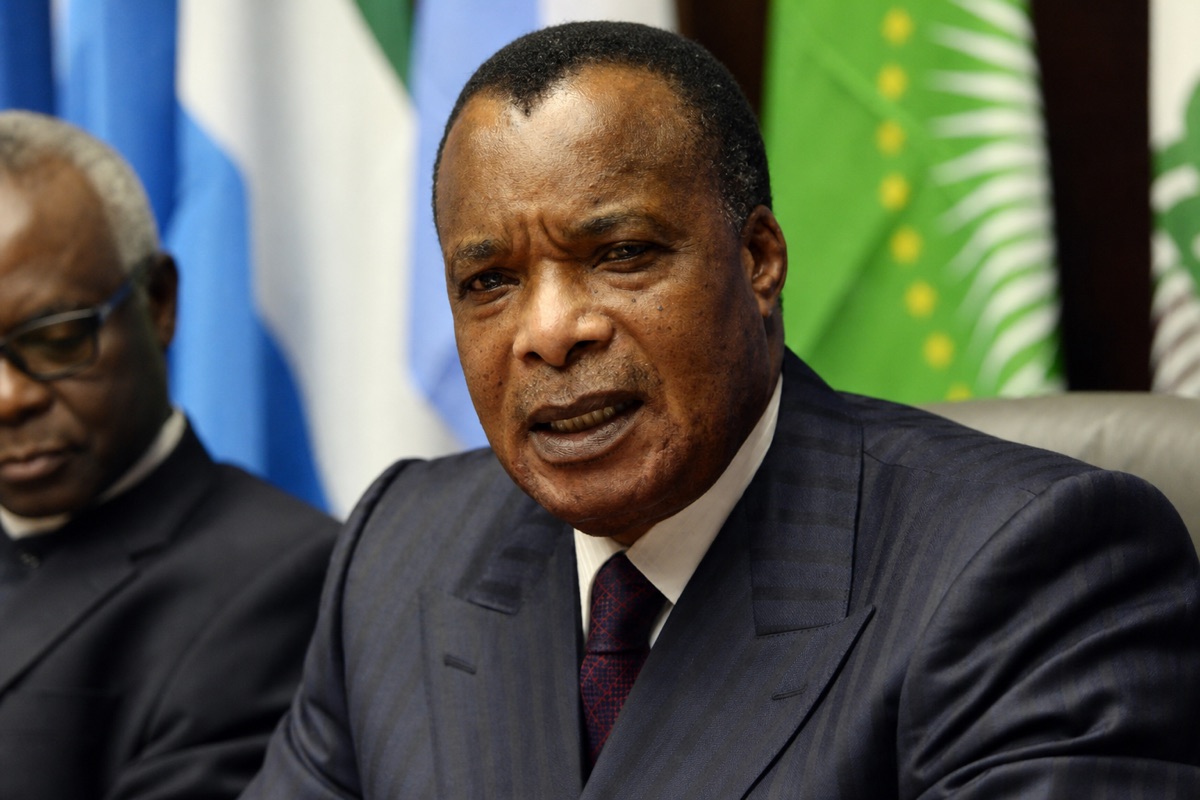
On 15 March 2026, the Republic of Congo (Congo-Brazzaville) is due to hold a presidential election whose central protagonist is anything but unfamiliar. Denis Sassou-Nguesso, the country’s long-serving head of state, is standing for a fifth consecutive term. The candidacy carries little of the suspense one might expect from a national vote: as RFI framed the matter in a recent participatory broadcast, the prospect is widely read as “a foregone victory” rather than an open race.
An Opposition Divided Against Itself
If the outcome appears scripted, much of the explanation lies in the condition of the opposition. According to the same RFI discussion, the forces ranged against the incumbent remain fragmented, lacking the cohesion that might transform discontent into a credible electoral alternative. Dispersal of this kind tends to blunt the impact of any single challenger, allowing an entrenched figure to face the electorate from a position of structural advantage rather than genuine contest.
The Question of a Second Round
Where the conversation grows more textured is around procedure rather than personality. Listeners taking part in the RFI programme raised a pointed question: could the election produce a second round? The notion is striking precisely because of its rarity. A runoff would be unprecedented in the country’s recent electoral history, with no such occurrence since 1992. That listeners are even posing the question signals a measure of public engagement with the mechanics of the vote, and perhaps a quiet hope that the arithmetic of a first round might leave the result less settled than the prevailing narrative suggests.
Reading the Mood Through the Airwaves
The choice of format is itself revealing. By devoting a participatory, call-in segment to the election, RFI gave space to the voices of ordinary citizens rather than to official pronouncements alone. The resulting exchange captured a tension familiar across much of Central Africa: between an expectation of continuity at the summit of the state and a curiosity, audible among the public, about whether the formal rules of the ballot might yet introduce an element of uncertainty. For now, the answer remains open, to be settled at the polls in March.
